Video 1
Video 2
Video 3
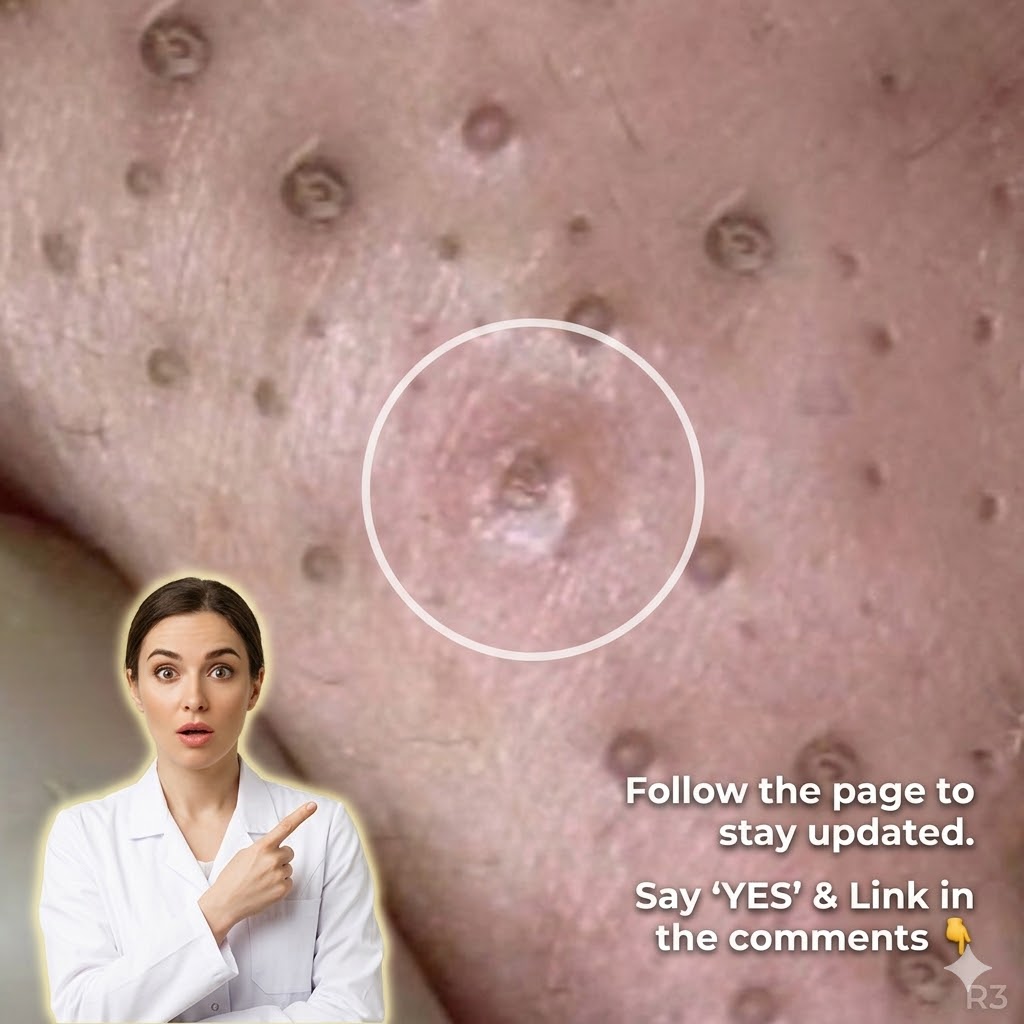
Pores can appear more noticeable immediately after washing the face due to temporary changes in the skin’s surface and underlying structures. Pores themselves do not physically open or close, as they are simply the visible openings of hair follicles that allow sebum to reach the skin. However, their appearance can change based on factors such as hydration levels, oil content, and light reflection on the skin.
When the face is cleansed, excess sebum, sweat, and debris are removed from the surface. While this is beneficial for preventing clogged pores and comedonal acne such as blackheads and whiteheads, it can also strip away some of the natural oils that help soften the appearance of the त्व. Immediately after washing, the skin may become slightly dehydrated, especially if a harsh cleanser is used or if the water temperature is too hot. This temporary dehydration can cause the outer layer of the skin to contract, making pores look more defined and prominent.
Another contributing factor is the removal of surface buildup that may have been partially masking the pores. Sebum and dead skin cells can fill and diffuse the edges of pores, making them appear less visible before cleansing. Once this layer is washed away, the pores may appear clearer and therefore more noticeable under light. This effect is often more apparent in individuals with oily skin or enlarged pores, where follicular openings are naturally more visible.
Temperature also plays a role in this perception. Washing with warm water may increase blood flow to the skin and soften the surrounding tissue, while the cooling that follows cleansing can lead to slight tightening of the skin surface. This subtle shift can enhance the contrast between pores and the surrounding الجلد, contributing to the impression that pores have become larger.
In addition, certain cleansers, particularly those formulated for acne-prone or oily skin, may contain active ingredients such as salicylic acid or benzoyl peroxide. While these ingredients are commonly used to help unclog pores and reduce acne-causing bacteria, they can also contribute to temporary dryness or irritation if not balanced with proper moisturization. This can further accentuate pore visibility in the short term.
Managing the appearance of pores after cleansing often involves maintaining proper skin hydration and supporting the skin barrier. Using a gentle, non-stripping cleanser can help preserve essential lipids, while applying a suitable moisturizer shortly after washing may reduce the look of enlarged pores by improving skin plumpness and light reflection. Ingredients such as niacinamide are often recommended in skincare formulations because they may help regulate sebum production and improve the appearance of pores over time. Retinoids may also support more consistent cell turnover, which can reduce the buildup of dead skin cells that contribute to clogged pores.
It is important to recognize that pore size is largely influenced by genetics, skin type, and age, and cannot be permanently changed. However, consistent skincare practices can help minimize their appearance and prevent conditions like blackheads and acne from making them more noticeable. If pore visibility is persistent or associated with significant acne, consulting a qualified dermatology professional may help guide appropriate treatment options.