Video 1
Video 2
Video 3
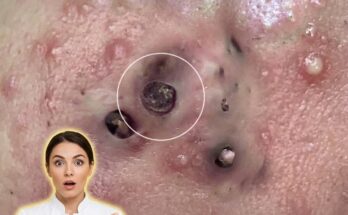
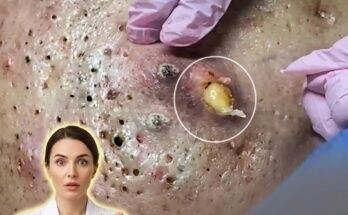
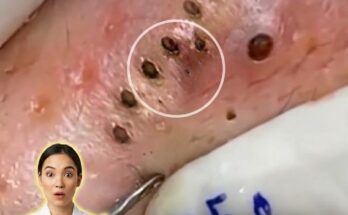
Acne develops through a complex interaction of excess sebum production, abnormal shedding of skin cells within the pore, bacterial activity, and inflammation. When pores become clogged with a mixture of oil and dead skin cells, they can form comedones such as blackheads and whiteheads. Inflammatory acne occurs when these clogged follicles trigger an immune response, leading to redness, swelling, and sometimes deeper lesions. When an acne treatment does not seem to work, it is often because one or more of these underlying biological processes is not being adequately addressed.
Several factors can contribute to poor treatment outcomes. Hormonal fluctuations may continue to stimulate oil glands, especially during adolescence or periods of stress, making it difficult for topical treatments alone to keep up with sebum production. Skincare habits also play a significant role. Overloading the skin with too many products or combining multiple active ingredients without proper spacing can disrupt the skin barrier, leading to irritation and even more breakouts. On the other hand, using products inconsistently or stopping too early may prevent treatments from reaching their full effectiveness. Environmental factors such as humidity, pollution, and occlusive cosmetics can further contribute to clogged pores, while genetic predisposition can influence how reactive the skin is to these triggers.
Another common reason treatments fail is the mismatch between the product and the type of acne present. Comedonal acne often responds better to ingredients that normalize cell turnover, such as retinoids, while inflammatory acne may benefit from antimicrobial agents like benzoyl peroxide. Salicylic acid is widely used because it can penetrate into the pore lining and help dissolve accumulated debris, but its effectiveness depends on consistent use and appropriate concentration. Niacinamide may support the skin barrier and reduce inflammation, yet it is not typically strong enough as a standalone treatment for more persistent acne. In some cases, over-the-counter options may not be sufficient, and prescription treatments or professional procedures may be required.
Patience is an essential but often overlooked component of acne management. The skin operates in cycles, and it can take several weeks to months for treatments to show visible improvement. Initial worsening, sometimes referred to as purging, may occur with ingredients that accelerate cell turnover, which can be mistaken for treatment failure. Additionally, excessive dryness or irritation can signal that the skin barrier is compromised, which may reduce the effectiveness of active ingredients and prolong the healing process.
Realistic expectations are important when evaluating any acne regimen. Most treatments aim to control and reduce acne rather than provide an immediate or permanent cure. Adjustments may be necessary over time based on how the skin responds, and persistent or severe acne may require evaluation by a qualified dermatologist. A balanced approach that targets multiple aspects of acne formation, while maintaining the integrity of the skin barrier, is often the most effective path toward long-term improvement.