Video 1
Video 2
Video 3
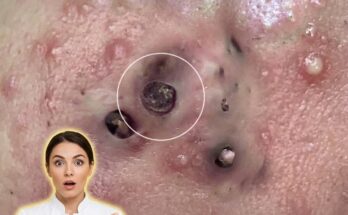
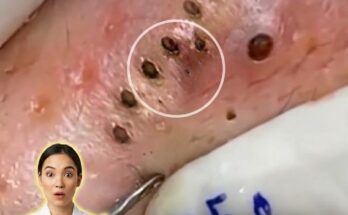
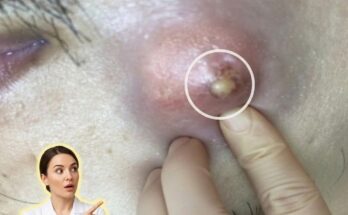
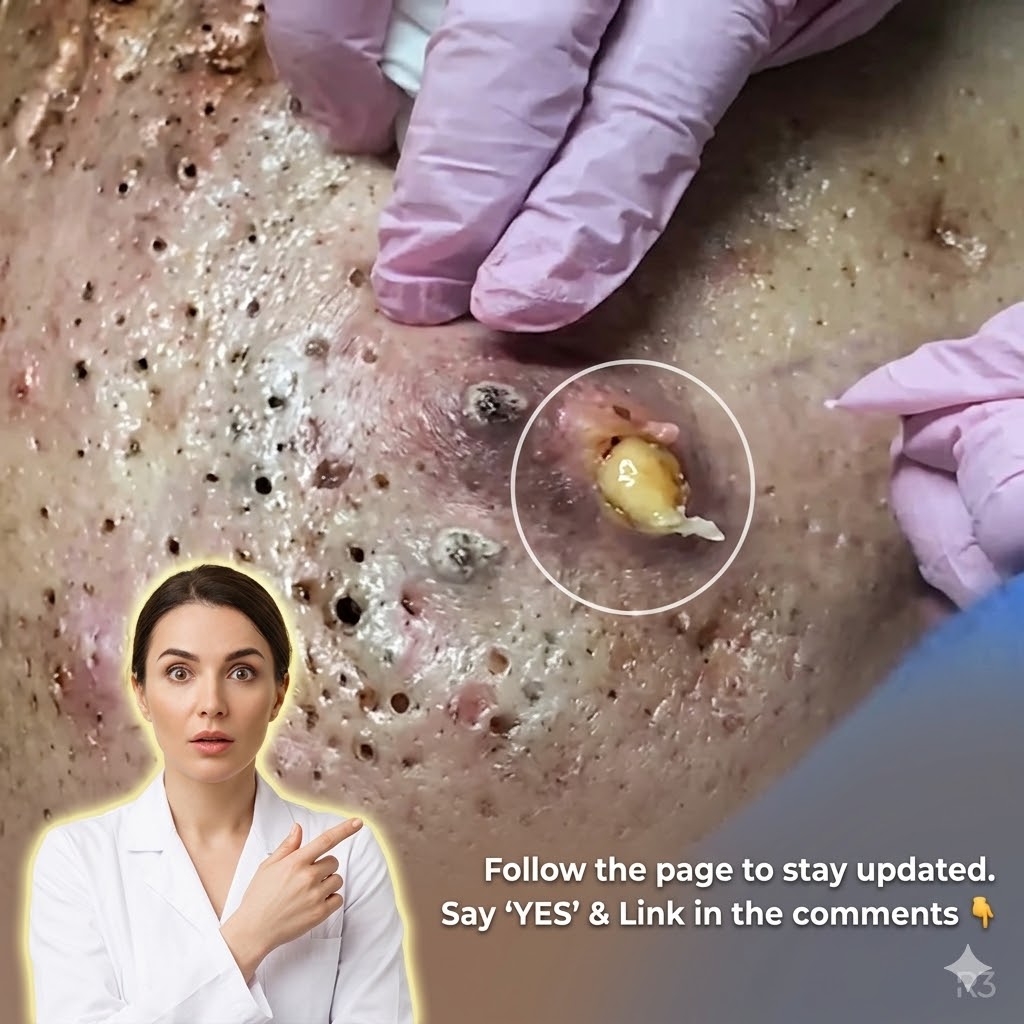
Acne treatment–related purging is a temporary reaction that occurs when certain active ingredients accelerate the skin’s natural renewal cycle. Under normal conditions, skin cells shed gradually within the follicle, but in acne-prone skin this process becomes irregular, leading to follicular keratinization, clogged pores, and the formation of comedones such as blackheads and whiteheads. When ingredients like retinoids or exfoliating acids are introduced, they increase cellular turnover, pushing existing microcomedones to the surface more quickly. This rapid progression can make acne appear worse before it improves, a process commonly referred to as purging.
This reaction is often influenced by underlying skin biology and individual factors. People with already congested pores or oily skin tend to experience purging more noticeably because there are more pre-existing blockages beneath the surface. Hormonal fluctuations can further contribute by increasing sebum production, which combines with dead skin cells to form new clogs. Environmental factors such as humidity, occlusive skincare products, or inconsistent routines may also affect how the skin responds when active treatments are introduced. In some cases, what appears to be purging may instead be irritation or a breakout caused by a product that does not suit the skin, making careful observation important.
Certain acne-fighting ingredients are more commonly associated with purging due to how they work within the pore. Retinoids are known to regulate cell turnover and prevent the formation of new comedones, while salicylic acid penetrates into the pore lining to dissolve excess oil and debris. Chemical exfoliants such as alpha hydroxy acids may also accelerate surface shedding. Benzoyl peroxide, which targets acne-causing bacteria and inflammation, is less likely to cause true purging but may still lead to temporary irritation in some individuals. These treatments are widely used in both over-the-counter and prescription skincare because of their effectiveness in addressing the root causes of acne.
Managing purging requires a balanced and consistent approach rather than frequent product changes. Introducing active ingredients gradually may help the skin adjust more comfortably, reducing the intensity of the reaction. Supporting the skin barrier with non-comedogenic moisturizers and avoiding overly harsh combinations of active ingredients can also improve tolerance. In persistent or severe cases, dermatological guidance may be beneficial, as professionals can determine whether the reaction is expected purging or an adverse response that requires adjustment.
It is important to maintain realistic expectations during acne treatment. Purging is typically temporary and may last several weeks as the skin completes its accelerated cycle, but not all breakouts during treatment are purging. If new acne appears in areas where breakouts do not عادة occur, or if irritation becomes severe, it may indicate a different issue. Consistency, patience, and evidence-based product selection are key factors in achieving long-term improvement while minimizing unnecessary disruption to the skin.