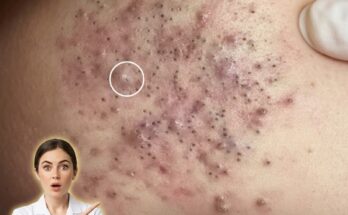
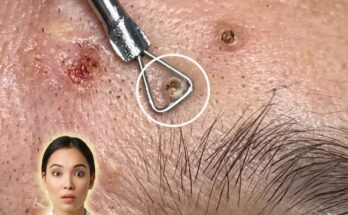
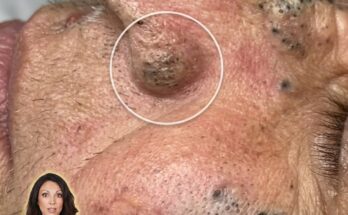
Acne lesions do not all heal at the same pace because the underlying biological processes that drive each lesion can vary significantly. At the core of acne development is a combination of excess sebum production, abnormal shedding of skin cells within the pore, colonization by Cutibacterium acnes, and inflammation. When a pore becomes clogged, the outcome depends on how deep the blockage forms and how strongly the immune system reacts. Superficial lesions such as blackheads and whiteheads tend to involve minimal inflammation and remain closer to the surface of the skin, which often allows them to resolve more quickly. In contrast, deeper inflammatory lesions such as papules, pustules, or nodules involve more extensive immune activity, tissue damage, and sometimes rupture of the follicular wall, all of which can prolong the healing process.
The level of inflammation is one of the most important factors influencing healing time. Mild comedonal acne typically heals faster because it involves limited immune response and less disruption to surrounding tissue. When inflammation is more intense, as seen in red, swollen, or painful lesions, the body requires more time to repair damaged skin structures. This repair process may involve increased blood flow, immune cell activity, and collagen remodeling, which can extend the duration of visible healing. In some cases, prolonged inflammation may also increase the risk of post-inflammatory hyperpigmentation or scarring, further delaying the appearance of complete recovery.
Individual skin characteristics also play a role in how quickly acne heals. Oily skin types may experience more persistent breakouts due to ongoing sebum production, which can continue to clog pores even as older lesions are resolving. Hormonal fluctuations, particularly those involving androgens, can stimulate oil glands and prolong the lifecycle of acne lesions. Genetics may influence both the intensity of inflammation and the skin’s ability to repair itself, meaning some individuals naturally heal faster than others. Environmental factors such as humidity, pollution, and friction from masks or clothing can further irritate the skin and slow the healing process.
Skincare habits can either support or delay recovery. Gentle cleansing and the use of targeted ingredients such as salicylic acid may help dissolve pore blockages and speed up the resolution of comedones. Benzoyl peroxide is commonly used to reduce acne-causing bacteria and inflammation, which can help inflammatory lesions heal more efficiently. Retinoids are often recommended because they normalize skin cell turnover and prevent new clogs from forming, although they may initially cause irritation if introduced too quickly. On the other hand, over-cleansing, harsh scrubs, or picking at lesions can damage the skin barrier and deepen inflammation, often leading to slower healing and a higher risk of marks or scars.
Professional treatments may be considered when acne is persistent or slow to heal. Dermatologists may recommend topical or oral medications, chemical peels, or light-based therapies depending on the severity and type of acne. These approaches aim to address the underlying causes of acne, such as excess oil production, bacterial growth, and inflammation, while supporting the skin’s natural healing processes.
Healing time for acne lesions can vary from a few days for minor comedones to several weeks for deeper inflammatory lesions. While some variation is normal, consistently slow healing or frequent recurrence may indicate the need for a more structured treatment approach. Maintaining a balanced skincare routine, avoiding unnecessary irritation, and seeking professional guidance when needed can help support more efficient healing over time.