Video 1
Video 2
Video 3
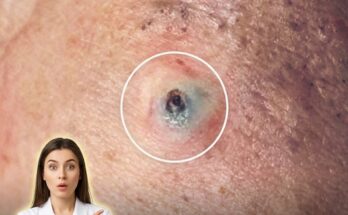
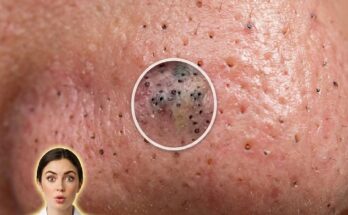
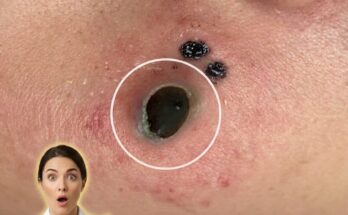
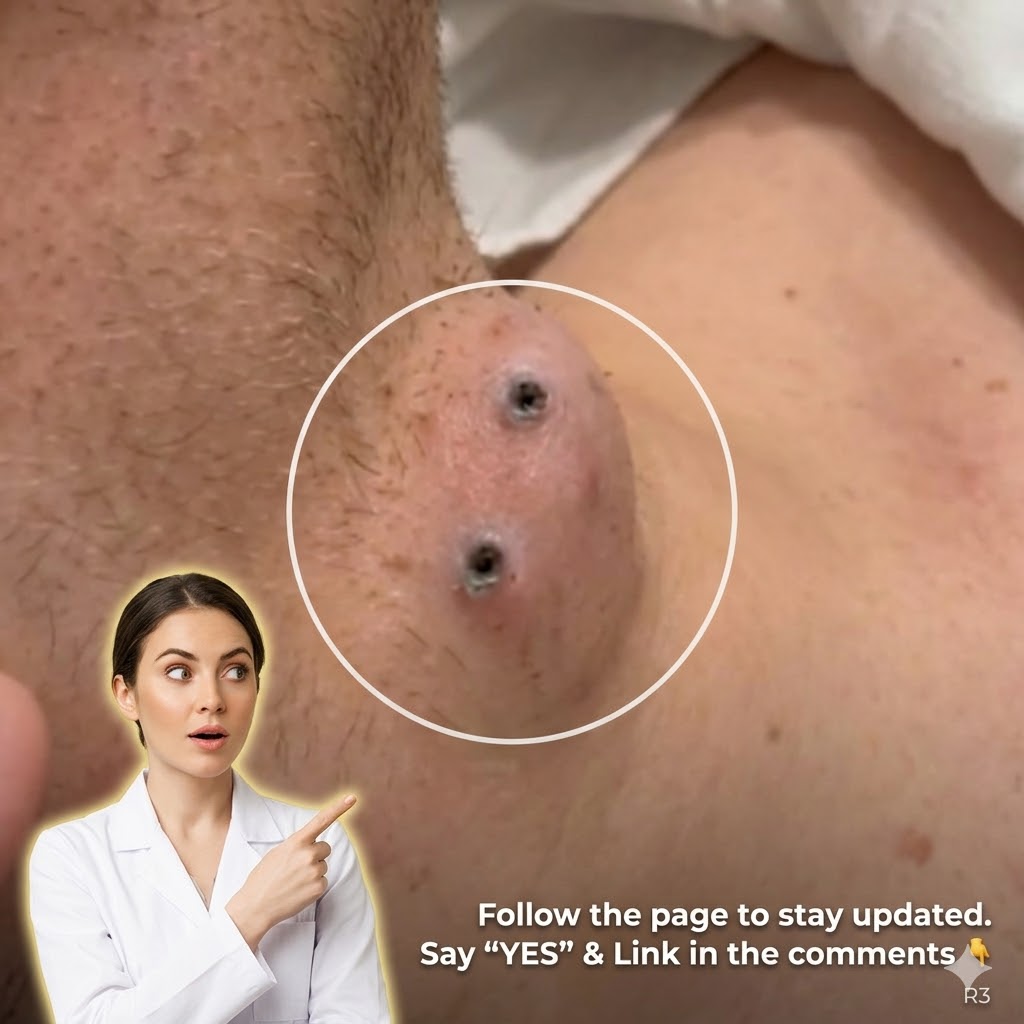
Skipping moisturizer can disrupt the skin’s balance in ways that directly contribute to acne formation. The skin naturally produces sebum to maintain hydration and protect the barrier, but when surface hydration is insufficient, the skin may respond by increasing oil production. This excess sebum can mix with dead skin cells inside the pores, promoting follicular keratinization and leading to clogged pores. Over time, these clogged pores can develop into comedones such as blackheads and whiteheads, and may progress into inflammatory acne.
The skin barrier plays a central role in this process. A well-functioning barrier helps regulate water loss and protects against environmental irritants and bacteria. When moisturizer is skipped, especially in individuals using active ingredients like retinoids, salicylic acid, or benzoyl peroxide, the barrier can become compromised. This can result in increased transepidermal water loss, irritation, and micro-inflammation. In response, the skin may produce more oil as a compensatory mechanism, which can worsen congestion and breakouts rather than reduce them.
Certain skincare habits can amplify this effect. Over-cleansing or using harsh cleansers without following with a moisturizer can strip the skin of its natural lipids. Environmental factors such as low humidity, air conditioning, and pollution can further dehydrate the skin. Even individuals with oily or acne-prone skin may mistakenly avoid moisturizers out of concern that they will clog pores, but dehydration can paradoxically make oiliness and acne worse.
Using a suitable moisturizer is often recommended as part of acne management. Lightweight, non-comedogenic formulations can help maintain hydration without contributing to pore blockage. Ingredients such as niacinamide may help regulate sebum production and reduce inflammation, while humectants like glycerin and hyaluronic acid support water retention in the skin. Barrier-repairing ingredients such as ceramides can also help restore skin integrity, which may reduce sensitivity and improve tolerance to active acne treatments.
In clinical and dermatological settings, maintaining hydration is considered an important supportive step alongside treatments like topical retinoids or benzoyl peroxide. Proper moisturization may help reduce irritation associated with these treatments, allowing for more consistent use and better long-term outcomes. When the skin barrier is supported, it is often better able to regulate oil production and resist factors that contribute to acne development.
It is important to recognize that moisturizers do not directly treat acne in the same way as active ingredients, but they play a supportive role in maintaining skin balance. Choosing the right formulation for individual skin type is key, and trial and adjustment may be necessary. Persistent or severe acne should be evaluated by a qualified dermatology professional to determine an appropriate treatment plan.