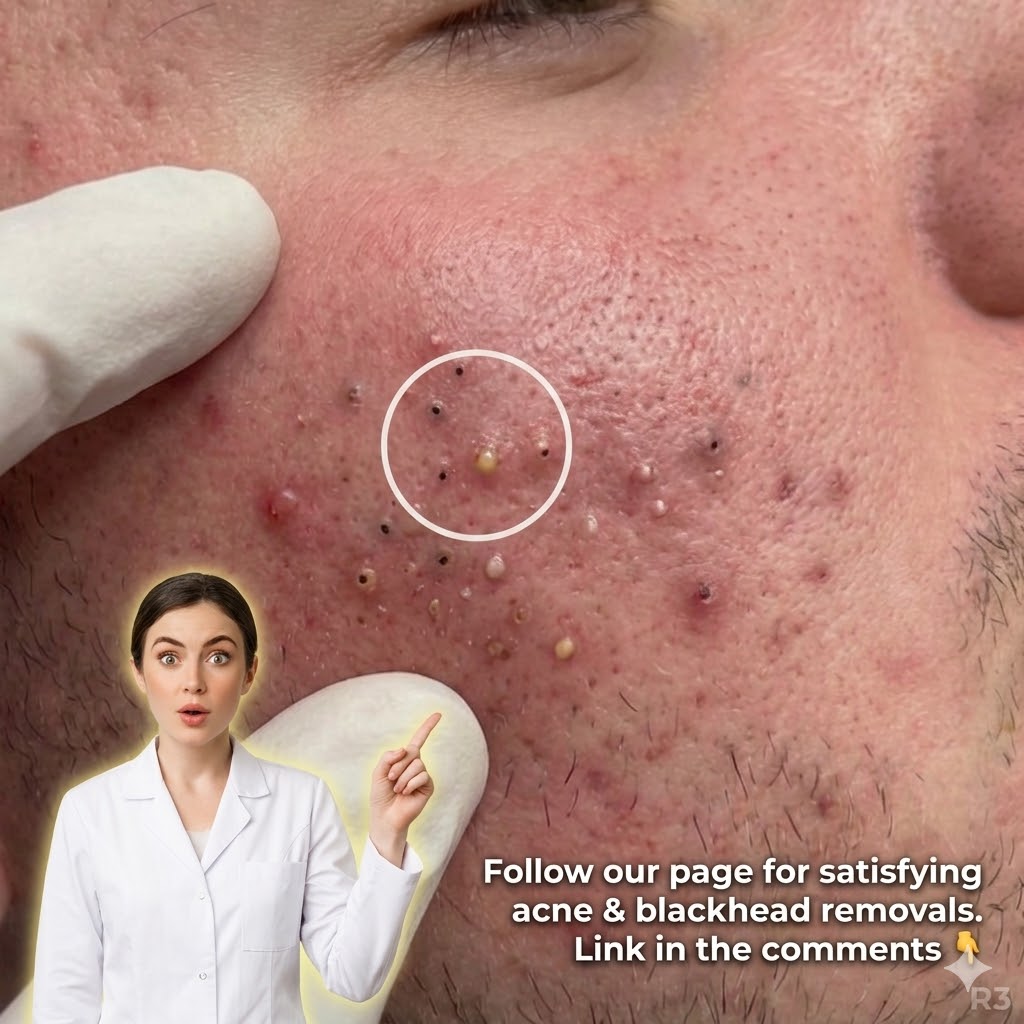
Video 1
Video 2
Video 3
Sensitive skin and acne-prone skin are often thought of as separate concerns, yet they frequently overlap due to shared underlying biological processes. Sensitive skin is typically characterized by a weakened skin barrier, which is less effective at retaining moisture and protecting against external irritants. When this barrier is compromised, it can lead to increased transepidermal water loss, heightened reactivity, and inflammation. Acne, on the other hand, develops through a combination of excess sebum production, follicular keratinization, clogged pores, and the activity of acne-causing bacteria. When the skin barrier is impaired, inflammation becomes more pronounced, and this inflammatory environment can contribute to the formation of comedones, including blackheads and whiteheads.
One important connection between sensitivity and acne lies in how the skin responds to irritation. Sensitive skin tends to react more easily to environmental stressors, harsh skincare products, or friction. This irritation can trigger inflammatory pathways that worsen existing acne or increase the likelihood of breakouts. At the same time, individuals with acne often use strong treatments such as exfoliating acids or benzoyl peroxide, which, while effective for reducing clogged pores and bacteria, can further weaken the skin barrier if not used carefully. This creates a cycle where irritation leads to more breakouts, and attempts to treat acne may increase sensitivity.
Sebum production also plays a role in this overlap. While sensitive skin is sometimes associated with dryness, it can also occur in individuals with oily skin. In these cases, excess oil combines with dead skin cells inside the pores, leading to blockages. If the surrounding skin is sensitive, the presence of clogged pores can trigger a stronger inflammatory response, making acne lesions appear more लाल, swollen, or uncomfortable. Hormonal fluctuations, stress, and environmental factors such as heat and humidity can further influence both oil production and skin reactivity, increasing the likelihood of persistent acne in sensitive individuals.
Skincare habits are another contributing factor. Over-cleansing, frequent exfoliation, or the use of multiple active ingredients can disrupt the skin barrier, even when the goal is to manage acne. Sensitive skin often benefits from a more balanced approach that includes gentle cleansing, non-comedogenic moisturizers, and targeted treatments used at appropriate frequencies. Ingredients such as salicylic acid may help unclog pores, while retinoids can support normalized cell turnover, and niacinamide may help reduce inflammation and support barrier function. However, these ingredients are typically better tolerated when introduced gradually and combined with barrier-supportive products such as those containing ceramides.
Environmental exposure can also influence both sensitivity and acne. Pollution, UV radiation, and changes in climate can weaken the skin barrier and increase oxidative stress, which may worsen inflammation and contribute to clogged pores. Individuals living in humid or urban environments may notice that both sensitivity and acne flare more easily under these conditions, especially if protective skincare measures are inconsistent.
Managing sensitive, acne-prone skin often requires a careful balance between treating breakouts and preserving the skin barrier. Over-the-counter treatments can be effective when selected and used appropriately, but persistent or severe acne may benefit from evaluation by a dermatologist, who can tailor treatments to minimize irritation while addressing underlying causes. It is also important to set realistic expectations, as improvements in both sensitivity and acne typically occur gradually. Avoiding overly aggressive routines and focusing on consistency can help reduce flare-ups while supporting overall skin health.