Video 1
Video 2
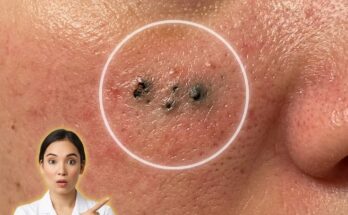
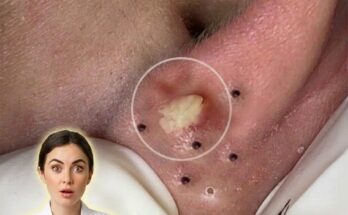
Pores become clogged over time through a gradual process involving the hair follicle, sebum production, and the natural turnover of skin cells. Each pore is connected to a sebaceous gland that produces sebum, an oily substance designed to lubricate and protect the skin. Under normal conditions, dead skin cells shed evenly and rise to the surface, while sebum flows outward through the pore. However, when this balance is disrupted, dead skin cells can accumulate inside the follicle and mix with sebum, forming a plug. This process, known as follicular keratinization, is a key early step in the formation of comedones such as blackheads and whiteheads. Over time, repeated buildup without proper clearance can make pores appear persistently clogged and more visible.
Several internal and external factors can contribute to this gradual clogging. Hormonal fluctuations, particularly increased androgens, can stimulate sebaceous glands to produce more oil, creating a higher likelihood of pore blockage. Individuals with naturally oily skin may experience this process more frequently due to consistently elevated sebum levels. In addition, skincare habits play a significant role. Inadequate cleansing, heavy or occlusive products, and layering incompatible formulations can contribute to residue buildup within pores. Environmental factors such as pollution and humidity may also deposit particles onto the skin surface, which can mix with oil and dead cells, further increasing the risk of congestion. Genetic predisposition can influence pore size, oil production, and skin cell turnover, all of which affect how easily pores become clogged over time.
As pores remain blocked, the contents inside can oxidize when exposed to air, leading to the dark appearance of blackheads. If the pore remains closed, the buildup appears as a whitehead. In some cases, the clogged environment can support the growth of acne-associated bacteria, which may trigger inflammation and lead to more noticeable acne lesions. This progression highlights how seemingly minor, gradual buildup can evolve into more persistent forms of acne if not addressed.
Management typically focuses on supporting normal skin cell turnover and reducing excess oil within the pore. Ingredients such as salicylic acid are commonly used because they are oil-soluble and can penetrate into the pore lining to help dissolve accumulated debris. Retinoids are often recommended to normalize keratinization and promote more consistent shedding of dead skin cells, which may help prevent new clogs from forming. Benzoyl peroxide may be introduced when inflammation or bacterial involvement is present, while niacinamide can support oil regulation and improve overall skin barrier function. Gentle cleansing and the use of non-comedogenic formulations are also important in minimizing additional buildup over time.
Consistency is important, as clogged pores typically develop gradually and also require time to improve. Overly aggressive treatments can disrupt the skin barrier, potentially worsening oil production and irritation. A balanced approach that combines appropriate active ingredients with barrier-supportive care is generally preferred. For persistent or severe concerns, consultation with a qualified dermatologist can help tailor treatment strategies and ensure that underlying factors are properly addressed.