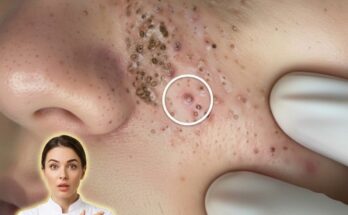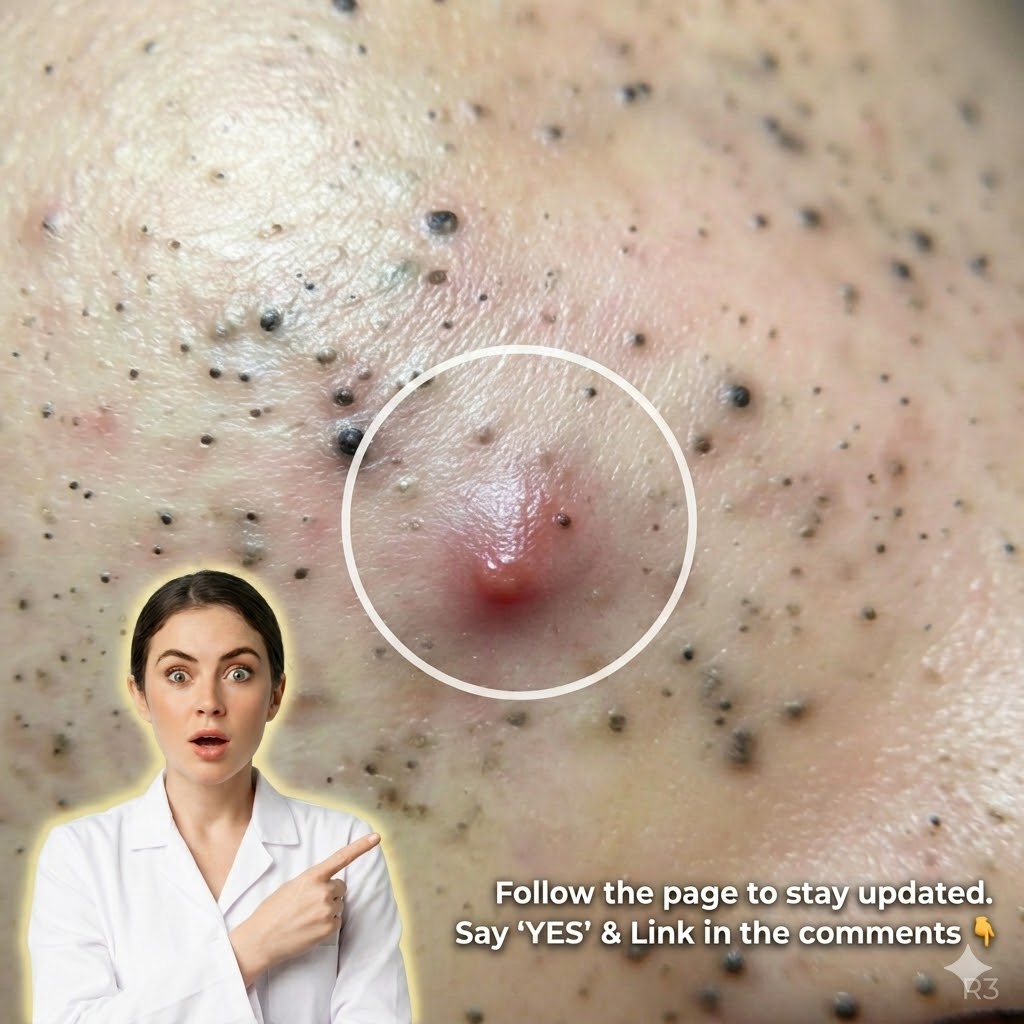
Video 1
Overwashing the face can disrupt the delicate balance of the skin barrier, which plays a central role in acne development. The outermost layer of the skin, known as the stratum corneum, is composed of lipids and cells that help retain moisture and protect against environmental stressors. When the skin is cleansed too frequently or with overly harsh products, this barrier can become compromised. As a result, the skin may lose essential lipids and water, leading to dryness and irritation. In response, sebaceous glands may increase sebum production in an attempt to compensate for this loss, which can contribute to clogged pores and the formation of comedones such as blackheads and whiteheads.
This cycle of over-cleansing and rebound oil production can create an environment that favors acne formation. Excess sebum can mix with dead skin cells that are not shedding properly, a process known as abnormal follicular keratinization. This combination can block hair follicles, creating ideal conditions for the growth of acne-associated bacteria such as Cutibacterium acnes. In addition, frequent washing may cause micro-irritation, which can trigger inflammatory pathways in the skin. Inflammation is a key factor in the progression from non-inflammatory lesions, like blackheads, to more inflamed acne lesions such as papules and pustules.
Certain skincare habits and environmental factors can worsen the effects of overwashing. Using strong foaming cleansers, physical scrubs, or alcohol-based products multiple times a day can further weaken the skin barrier. Individuals with oily or acne-prone skin may be especially tempted to wash frequently to remove excess oil, but this approach often leads to increased irritation and oil imbalance rather than improvement. Climate conditions such as heat and humidity may also encourage more frequent cleansing, which can unintentionally aggravate the skin.
A more balanced approach to cleansing is often recommended in acne care. Washing the face twice daily with a gentle, non-comedogenic cleanser is typically sufficient to remove excess oil, sweat, and debris without stripping the skin. Ingredients such as salicylic acid may help unclog pores by promoting exfoliation within the follicle, while benzoyl peroxide can reduce acne-causing bacteria. Niacinamide is commonly used to support the skin barrier and help regulate oil production. Incorporating a lightweight, non-comedogenic moisturizer is also important, as maintaining hydration can reduce the likelihood of rebound sebum production. For individuals with persistent or moderate to severe acne, dermatological treatments such as topical retinoids may be considered to normalize cell turnover and prevent clogged pores.
It is important to recognize that improving acne takes time and consistency. Over-cleansing may seem beneficial in the short term, especially for oily skin, but it often contributes to long-term imbalance and irritation. A gentle, barrier-supportive routine is generally more effective for maintaining clear skin. Individuals experiencing ongoing or severe acne are encouraged to consult a qualified dermatologist to receive personalized guidance and appropriate treatment options.