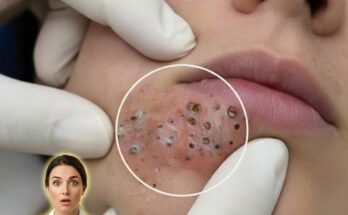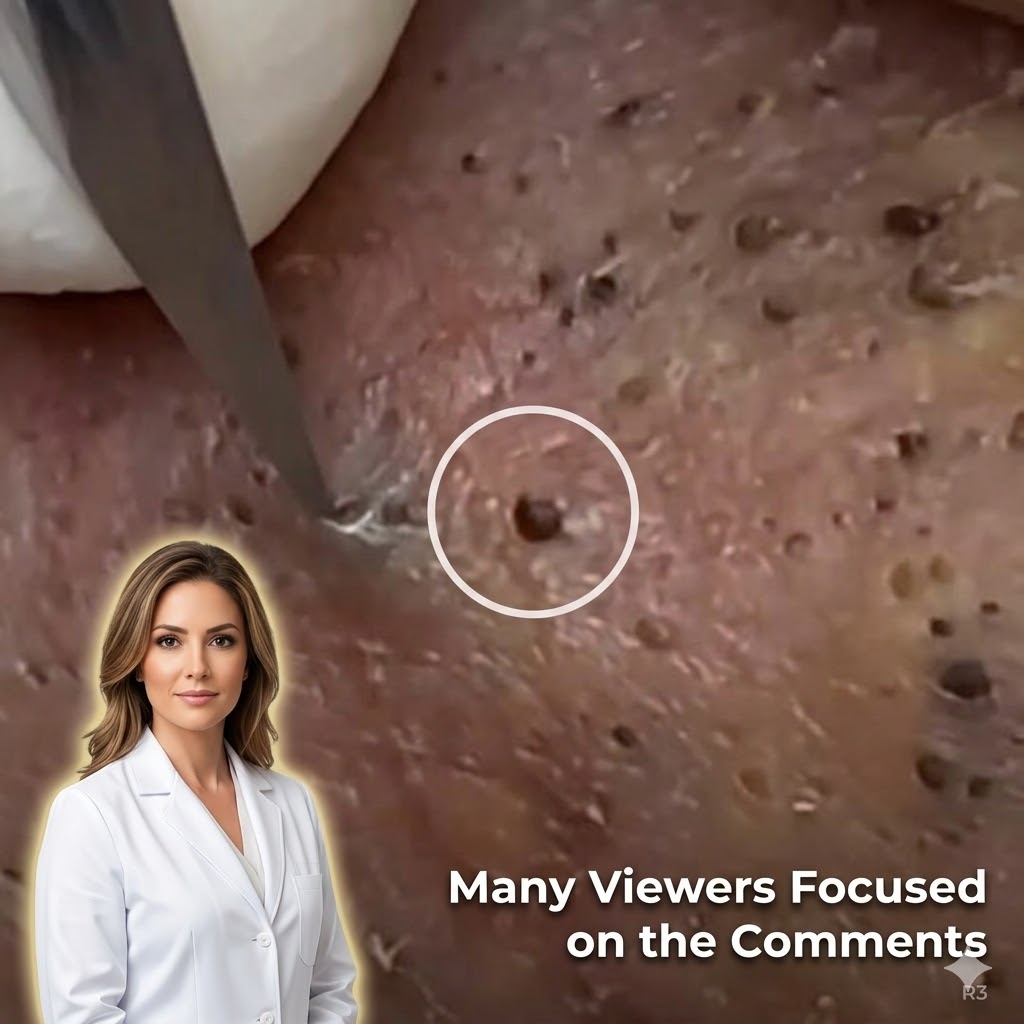
Enlarged pores are commonly associated with oily skin types because of the biological role of sebaceous glands within the skin.
Pores are the visible openings of hair follicles, each connected to a sebaceous gland that produces sebum,
the skin’s natural oil. In individuals with oily skin, these glands tend to be more active, producing higher amounts of sebum. When excess oil fills the follicle, it can stretch the pore opening over time, making pores appear larger and more noticeable on the surface of the skin.
Sebum itself plays an important protective role by helping maintain skin hydration and supporting the skin barrier. However, when oil production increases significantly, it can mix with dead skin cells that naturally shed from the lining of the follicle. This mixture may contribute to pore congestion and the formation of comedones such as blackheads and whiteheads. As the follicle repeatedly fills with oil and cellular debris, the pore walls may gradually lose some elasticity, which can further contribute to the appearance of enlarged pores.
Hormonal influences are one of the primary drivers of increased sebum production. Androgens, which are hormones present in both males and females, stimulate sebaceous glands to produce more oil. During periods of hormonal fluctuation, such as puberty, menstrual cycles, or times of increased stress, sebum output may increase and make pores appear more prominent. Genetic factors can also play a role, as individuals with a family history of oily skin often inherit larger or more active sebaceous glands.
Skincare habits can also influence how visible pores appear. When dead skin cells accumulate on the skin’s surface due to inadequate exfoliation, they may contribute to clogged pores and accentuate pore size. Similarly, the use of heavy or comedogenic skincare products may increase pore congestion in some individuals. Environmental factors such as humidity and heat can stimulate oil production as well, which may temporarily make pores appear larger throughout the day.
Certain skincare ingredients are commonly used to help manage oily skin and reduce the appearance of enlarged pores. Salicylic acid, a beta hydroxy acid, is oil-soluble and may help penetrate into pores to dissolve excess sebum and loosen dead skin cells that contribute to blackheads and clogged pores. Topical retinoids are also frequently recommended because they help regulate follicular keratinization, the process by which skin cells shed inside the pore, which may improve overall pore function over time. Ingredients such as niacinamide may help regulate oil production and support the skin barrier, while benzoyl peroxide is often used when inflammatory acne lesions are present alongside clogged pores.
Professional dermatology treatments may also be considered for individuals with persistent concerns about enlarged pores. Chemical peels, retinoid therapies, and certain laser or energy-based treatments are sometimes used to improve skin texture and reduce the visibility of pores by supporting collagen production and normalizing pore turnover. However, results vary depending on individual skin characteristics, and enlarged pores cannot typically be eliminated completely because pore size is influenced by genetics and natural skin structure.
Realistic skincare expectations are important when addressing enlarged pores in oily skin types. Consistent skincare routines that focus on gentle cleansing, controlled exfoliation, and oil-regulating ingredients may gradually improve the appearance of pores and reduce pore congestion. Because excessive exfoliation or harsh treatments may damage the skin barrier and potentially worsen breakouts, balanced skincare practices are generally recommended. Individuals experiencing persistent acne, significant pore congestion, or ongoing skin concerns may benefit from consulting a qualified dermatologist who can evaluate the underlying causes and recommend personalized treatment options.