Video 1
Video 2
Video 3
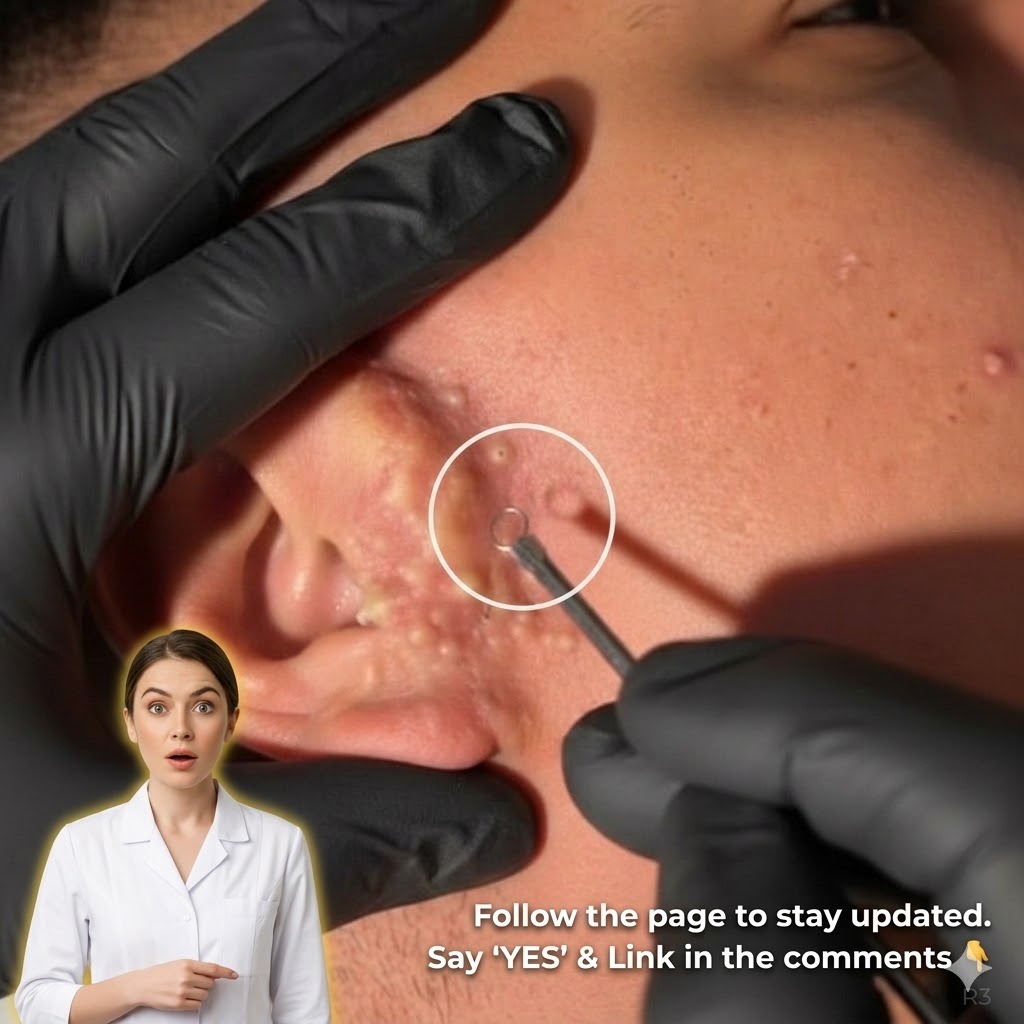
Acne develops through a combination of excess sebum production, abnormal shedding of skin cells within the follicle, bacterial activity, and inflammation. When dead skin cells and oil accumulate inside the pore, they form comedones such as blackheads and whiteheads. In some cases, the follicle becomes inflamed, leading to papules, pustules, or deeper nodules. While many cases of acne can be managed with over-the-counter skincare and consistent routines, certain patterns and severities of acne may indicate the need for evaluation by a dermatologist.
Hormonal fluctuations are one of the most common contributing factors, particularly during adolescence, menstrual cycles, pregnancy, or conditions involving androgen imbalance. Genetics can influence how much sebum the skin produces and how prone follicles are to clogging. Skincare habits also play a significant role, as overly harsh cleansing, excessive exfoliation, or use of comedogenic products can disrupt the skin barrier and worsen breakouts. Environmental factors such as humidity, pollution, and occlusive products may further contribute to persistent clogged pores and inflammation.
Mild acne, including occasional blackheads or small inflammatory lesions, is often managed with ingredients such as salicylic acid, which helps dissolve debris within the pore, benzoyl peroxide, which reduces acne-causing bacteria, and retinoids, which normalize skin cell turnover. Niacinamide may support oil regulation and reduce visible inflammation. However, when acne becomes more persistent, widespread, or resistant to these approaches, it may signal that professional intervention is needed.
A dermatologist should be considered when acne is moderate to severe, particularly if it includes painful nodules, cysts, or widespread inflammation. These forms of acne can increase the risk of scarring, especially if left untreated. Persistent acne that does not improve after several weeks of consistent use of over-the-counter treatments may also benefit from prescription therapies, which can include stronger topical retinoids, oral medications, or combination treatments tailored to the individual’s skin biology.
Another important reason to seek dermatological care is the presence of post-inflammatory hyperpigmentation or early signs of scarring. These changes indicate deeper inflammation within the skin and often require targeted treatment to prevent long-term marks. Acne that significantly affects emotional well-being or confidence is also a valid reason to consult a professional, as dermatologists can provide more effective and structured treatment plans.
In some cases, acne may be linked to underlying medical or hormonal conditions that require evaluation beyond topical skincare. Dermatologists can assess these patterns and determine whether additional testing or referrals are appropriate. They can also guide patients on how to introduce treatments gradually, maintain the skin barrier, and avoid common mistakes that may worsen irritation or breakouts.
Realistic expectations are important, as acne treatment often requires several weeks to months before visible improvement occurs. Dermatological care does not guarantee immediate results, but it may significantly reduce the severity of acne and lower the risk of long-term skin damage when applied consistently. Seeking professional advice at the appropriate time can help prevent complications and support more stable, long-term skin health.