Video 1
Video 2
Video 3
Video 4
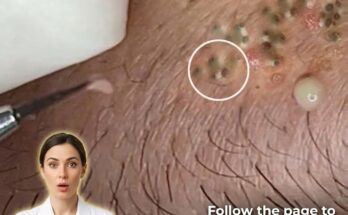
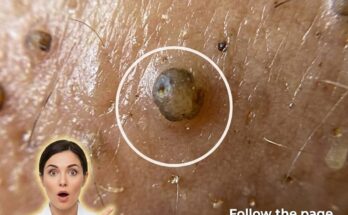
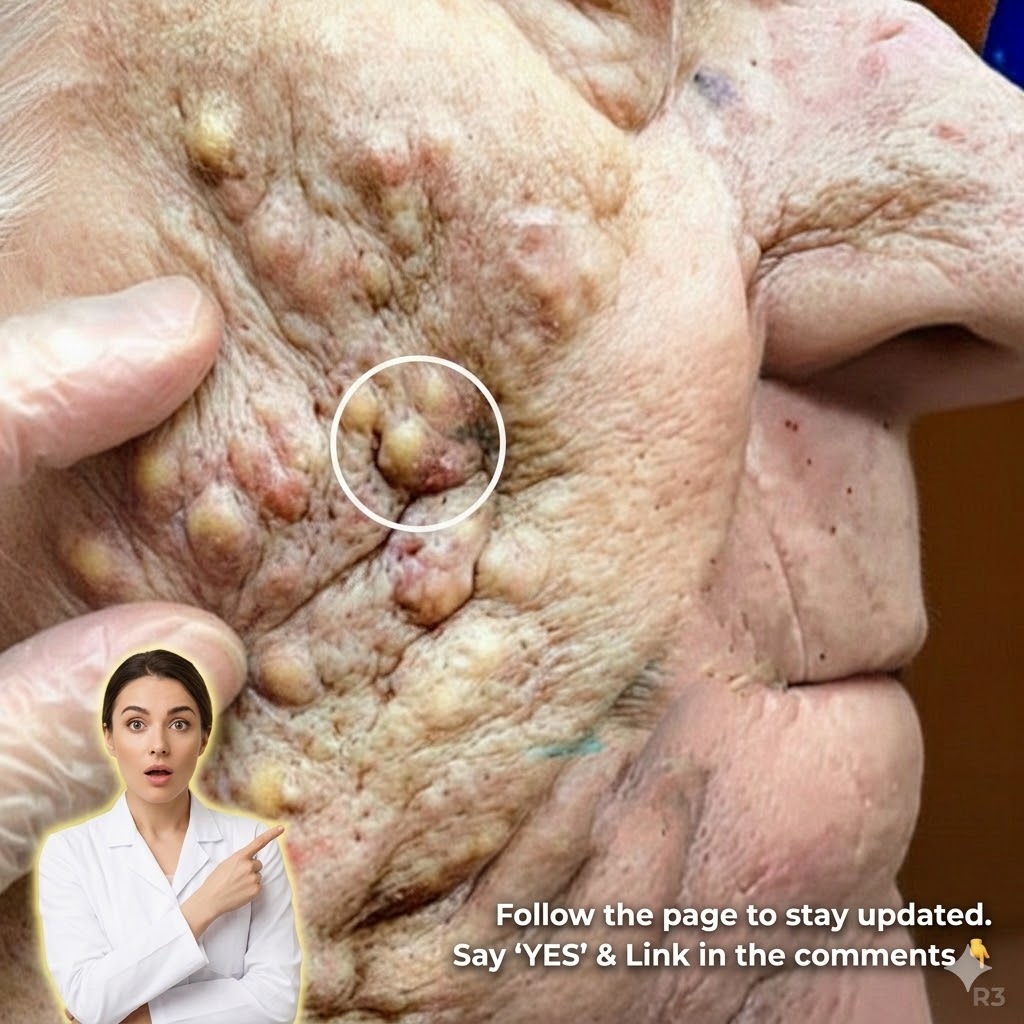
Retinoids are a class of vitamin A–derived compounds that act directly on the skin’s cellular turnover process, which is central to how acne forms and persists. Inside the pore, acne begins when dead skin cells do not shed properly and instead accumulate with sebum, creating a blockage known as a comedone. Retinoids bind to specific receptors in skin cells and help normalize this shedding process, reducing the buildup of keratin within the follicle. By promoting more orderly cell turnover, they help keep pores clear and make it more difficult for blackheads and whiteheads to form in the first place.
Beyond their effect on keratinization, retinoids also influence inflammation and oil dynamics within acne-prone skin. While they do not directly suppress sebum production in the same way as some oral treatments, they can indirectly reduce the formation of clogged pores where oil becomes trapped. This helps limit the environment in which acne-causing bacteria thrive. Retinoids are also known to have mild anti-inflammatory properties, which may help reduce the redness and swelling associated with inflammatory acne lesions over time.
Several factors can influence how well retinoids perform, including skin sensitivity, consistency of use, and overall skincare habits. In individuals with oily skin or frequent clogged pores, retinoids are often recommended as a foundational treatment because they target the earliest stage of acne formation. However, improper use, such as applying too frequently at the beginning or combining with overly harsh products, can disrupt the skin barrier and lead to irritation. This irritation may temporarily worsen breakouts, not because the treatment is ineffective, but because the skin is overwhelmed and inflamed.
In practice, retinoids are commonly used alongside other acne treatments such as salicylic acid, which helps dissolve oil within the pore, or benzoyl peroxide, which targets acne-related bacteria. Niacinamide is also frequently included in routines to support the skin barrier and reduce irritation associated with retinoid use. Dermatology-prescribed retinoids, such as tretinoin or adapalene at higher strengths, may be considered when over-the-counter options are not sufficient, especially in cases of persistent comedonal acne.
It is important to understand that retinoids work gradually rather than providing immediate results. In the early stages, some individuals experience a temporary increase in breakouts, often referred to as purging, as underlying clogged pores surface more quickly. With continued and consistent use, the skin typically becomes smoother, pores appear less congested, and new acne lesions form less frequently. This process can take several weeks to months, depending on the individual’s skin condition and routine.
Because retinoids can increase skin sensitivity, especially to sunlight, daily sunscreen use is strongly recommended to protect the skin and prevent additional irritation or pigmentation concerns. Individuals with persistent or severe acne may benefit from consulting a qualified dermatology professional to determine the most appropriate type and strength of retinoid for their skin. When used correctly and consistently, retinoids remain one of the most widely supported and effective long-term strategies for managing acne and maintaining clearer pores