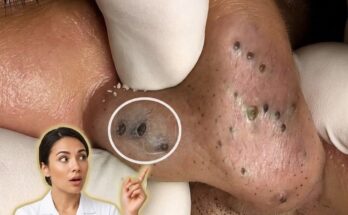
Video 1
Pore congestion develops when excess sebum combines with dead skin cells inside the follicle, leading to partial or complete blockage. This process, known as follicular keratinization, creates an environment where comedones such as blackheads and whiteheads can form. When the pore remains open, oxidation of trapped material produces the darker appearance seen in blackheads, while closed pores result in whiteheads. Weekly skincare structure can support this biological cycle by helping regulate oil flow, promote controlled exfoliation, and maintain barrier integrity without triggering additional irritation.
Several factors influence how quickly pores become congested. Increased sebum production driven by hormonal activity can make pores more prone to buildup, particularly in individuals with oily or combination skin. Inconsistent cleansing, heavy or occlusive products, and environmental exposure such as humidity or pollution may further contribute to accumulation inside the follicle. At the same time, overly aggressive routines can damage the skin barrier, leading to compensatory oil production and worsening congestion. A weekly rhythm that balances treatment with recovery is often more effective than daily overcorrection.
A structured weekly routine typically alternates between active treatment days and barrier-supportive days. Chemical exfoliation using ingredients such as salicylic acid is commonly recommended once or twice per week because it is oil-soluble and can penetrate into pores to help dissolve debris. On separate days, retinoids may be used to normalize cell turnover and reduce the formation of new comedones over time. These ingredients are often introduced gradually to minimize irritation, as excessive frequency may disrupt the skin barrier and lead to inflammation.
On non-treatment days, gentle cleansing and hydration play a central role in maintaining pore health. A mild cleanser helps remove surface oil and impurities without stripping the skin, while non-comedogenic moisturizers support barrier repair and regulate water balance. Ingredients such as niacinamide are often included in weekly routines because they may help reduce visible pore appearance and balance oil production. This alternating approach allows the skin time to recover between active treatments, which can improve overall tolerance and long-term results.
Consistency over time is a key factor in managing pore congestion. Improvements in blackheads and clogged pores typically occur gradually as the skin completes multiple renewal cycles. Sudden or aggressive changes in routine may lead to setbacks, including irritation or breakouts. It is also important to recognize that pore size is largely influenced by genetics and cannot be permanently reduced, although its appearance may improve with proper care.
Safety considerations remain important when following a weekly skincare routine. Combining multiple strong actives on the same day can increase the risk of irritation, and individuals with sensitive or inflamed acne may require a more conservative approach. Persistent or severe acne may benefit from consultation with a qualified dermatologist, who can provide tailored treatment options and ensure that the routine aligns with the skin’s specific needs.