Video 1
Video 2
Video 3
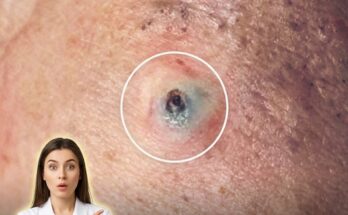
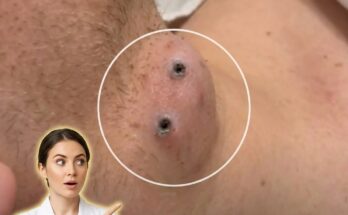
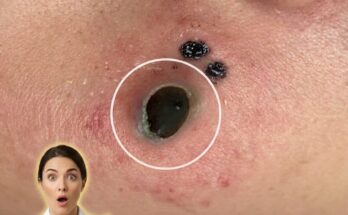
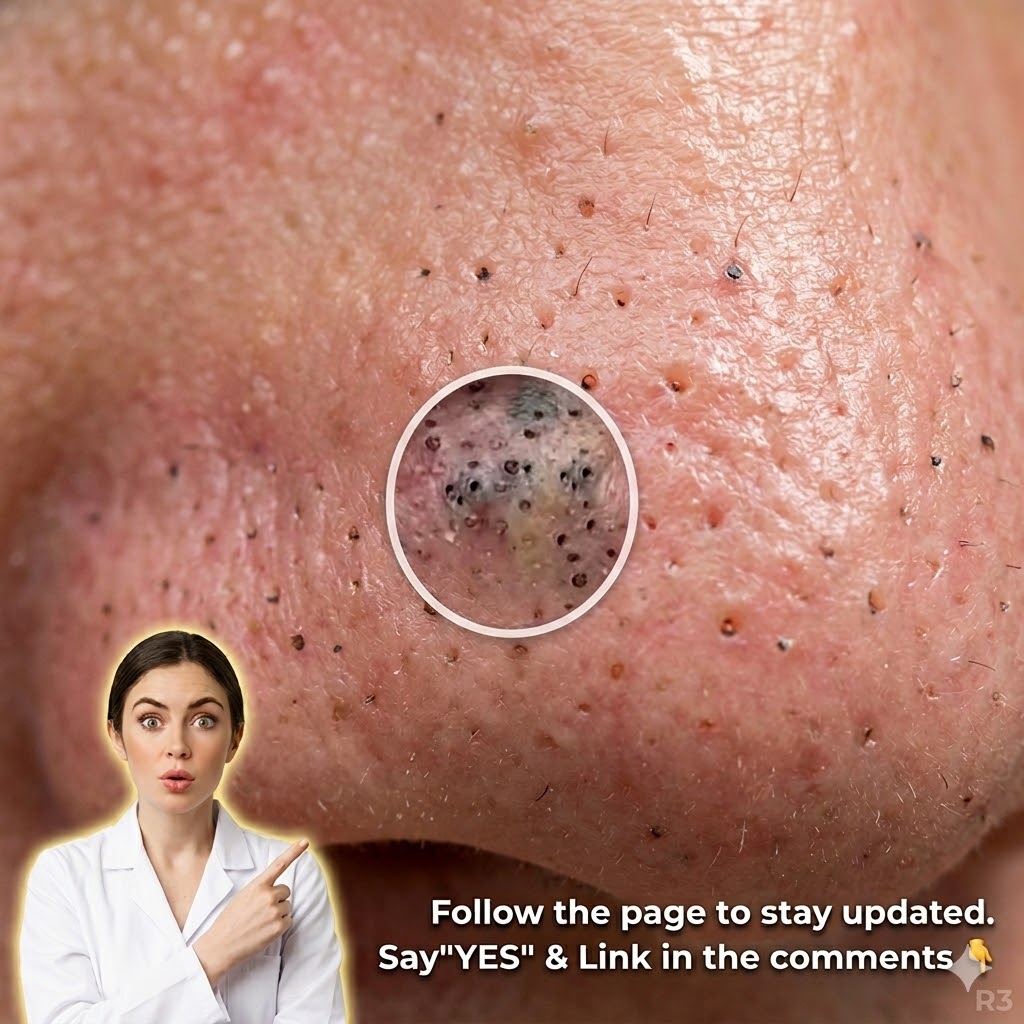
Acne development is closely linked to processes occurring within the hair follicle, where sebum production, dead skin cell turnover, and microbial activity interact. When too many skincare products are applied, especially those containing multiple active ingredients, the skin’s regulatory balance can become disrupted. Excessive layering can interfere with normal follicular keratinization, leading to a buildup of dead skin cells that mix with sebum and form clogged pores, or comedones. This environment may also promote inflammation and contribute to the formation of blackheads, whiteheads, and inflammatory acne lesions.
Using numerous products often increases the likelihood of ingredient overlap, which can overwhelm the skin barrier. For example, combining multiple exfoliating acids, retinoids, or benzoyl peroxide-based treatments may accelerate cell turnover beyond what the skin can tolerate. This can result in irritation, dryness, and micro-inflammation. In response, the skin may produce more oil as a compensatory mechanism, further contributing to pore congestion. At the same time, barrier disruption can make the skin more reactive to bacteria such as Cutibacterium acnes, which plays a role in acne formation.
Skincare habits are a major contributing factor in this cycle. The desire to treat acne quickly often leads individuals to introduce multiple new products at once, including cleansers, toners, serums, and spot treatments. Environmental stressors such as humidity, pollution, and occlusive cosmetic products can compound the issue by adding additional layers that trap oil and debris within pores. Genetic predisposition and hormonal influences may further increase susceptibility, particularly in individuals with naturally oily or acne-prone skin.
A more effective approach typically involves simplifying the skincare routine and focusing on evidence-based ingredients. Gentle cleansers help remove excess oil without stripping the skin, while targeted treatments such as salicylic acid may help unclog pores by penetrating into the follicle. Retinoids are commonly used to normalize cell turnover and reduce comedone formation over time, and benzoyl peroxide may help reduce acne-causing bacteria. Supporting the skin barrier with non-comedogenic moisturizers and ingredients like niacinamide can also improve tolerance and reduce inflammation.
Professional guidance may be beneficial when acne persists despite over-the-counter care. Dermatologists can assess whether prescription treatments, such as topical retinoids or combination therapies, are appropriate. They may also help identify whether product overuse or ingredient incompatibility is contributing to ongoing breakouts.
It is important to recognize that more products do not necessarily lead to better outcomes. In many cases, a consistent and minimal routine allows the skin to maintain its natural balance and respond more effectively to treatment. Improvements in acne typically occur gradually, and avoiding excessive or aggressive product use may reduce the risk of irritation and long-term barrier damage.