Video 1
Video 2
Video 3
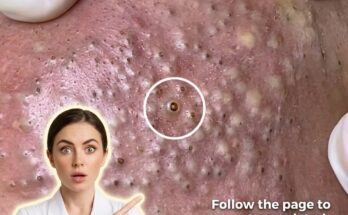
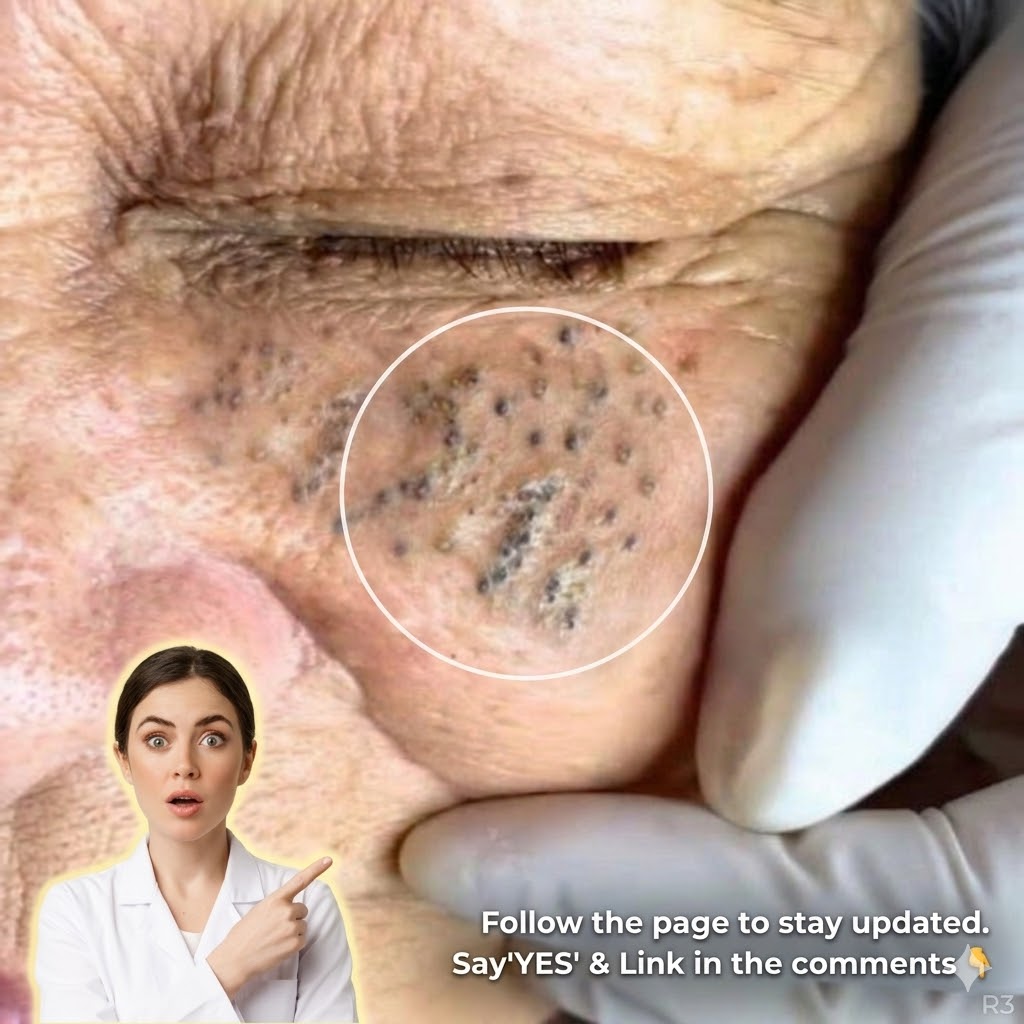
Traveling can introduce sudden changes to the skin’s environment, which may disrupt the balance that regulates sebum production, follicular keratinization, and overall skin barrier function. Acne-prone skin is particularly sensitive to these shifts, as fluctuations in humidity, temperature, and air quality can influence how much oil the skin produces and how easily pores become clogged. When the skin barrier is stressed, it may respond with increased inflammation, leading to the formation of comedones, whiteheads, and inflamed breakouts.
Environmental changes are one of the most significant contributors to travel-related acne. Moving from a humid climate to a dry one, or vice versa, can alter hydration levels in the skin. Dry air may weaken the barrier and trigger compensatory oil production, while high humidity can increase sweat and sebum, both of which can mix with dead skin cells and clog pores. Airplane cabins, which are typically low in humidity, can further dehydrate the skin and disrupt its natural balance. In addition, exposure to unfamiliar water mineral content, pollution levels, and UV radiation can all contribute to irritation and breakouts.
Lifestyle disruptions during travel also play an important role. Changes in sleep patterns, increased stress, and dietary shifts may influence hormonal activity, which can affect sebaceous gland function. Inconsistent skincare routines, often due to limited luggage space or time constraints, may lead to skipped steps or the use of unfamiliar products. These changes can increase the likelihood of pore congestion, particularly in individuals already prone to blackheads and whiteheads. Frequent touching of the face during transit and exposure to bacteria on surfaces such as airplane seats or mobile devices may also contribute to breakouts.
Maintaining a simplified and consistent skincare routine is often recommended to help minimize these effects. Gentle cleansing can help remove excess oil, sweat, and environmental debris without compromising the skin barrier. Ingredients such as salicylic acid may help keep pores clear by promoting exfoliation داخل the follicle, while niacinamide may support barrier function and reduce inflammation. Lightweight moisturizers are commonly used to maintain hydration without contributing to clogged pores, especially in changing climates. For those already using treatments like retinoids or benzoyl peroxide, continuing these products cautiously may help maintain acne control, although overuse should be avoided to prevent irritation in unfamiliar conditions.
Sun protection is another important factor during travel, particularly in regions with strong UV exposure. Sunscreens formulated for acne-prone skin can help protect against UV-induced inflammation without worsening pore congestion. Choosing non-comedogenic formulations may reduce the risk of additional breakouts while supporting overall skin health.
It is also important to consider practical hygiene habits during travel. Regularly changing pillowcases when possible, avoiding prolonged contact with unclean surfaces, and keeping hands away from the face may help reduce bacterial transfer. Using clean towels and avoiding sharing personal skincare items can further support acne prevention.
While these strategies may help reduce the likelihood of travel-related breakouts, it is important to recognize that some level of skin fluctuation is normal when environmental and lifestyle factors change. Acne management often requires consistency over time, and short-term disruptions do not necessarily indicate treatment failure. For individuals experiencing persistent or severe acne flare-ups during or after travel, consultation with a qualified dermatologist may help guide appropriate adjustments to skincare or treatment plans.