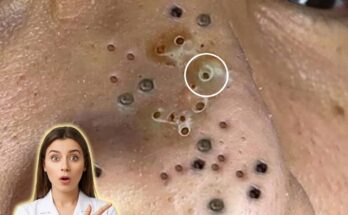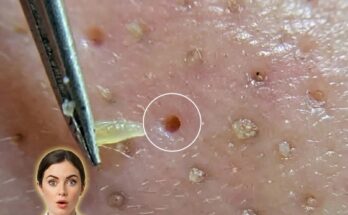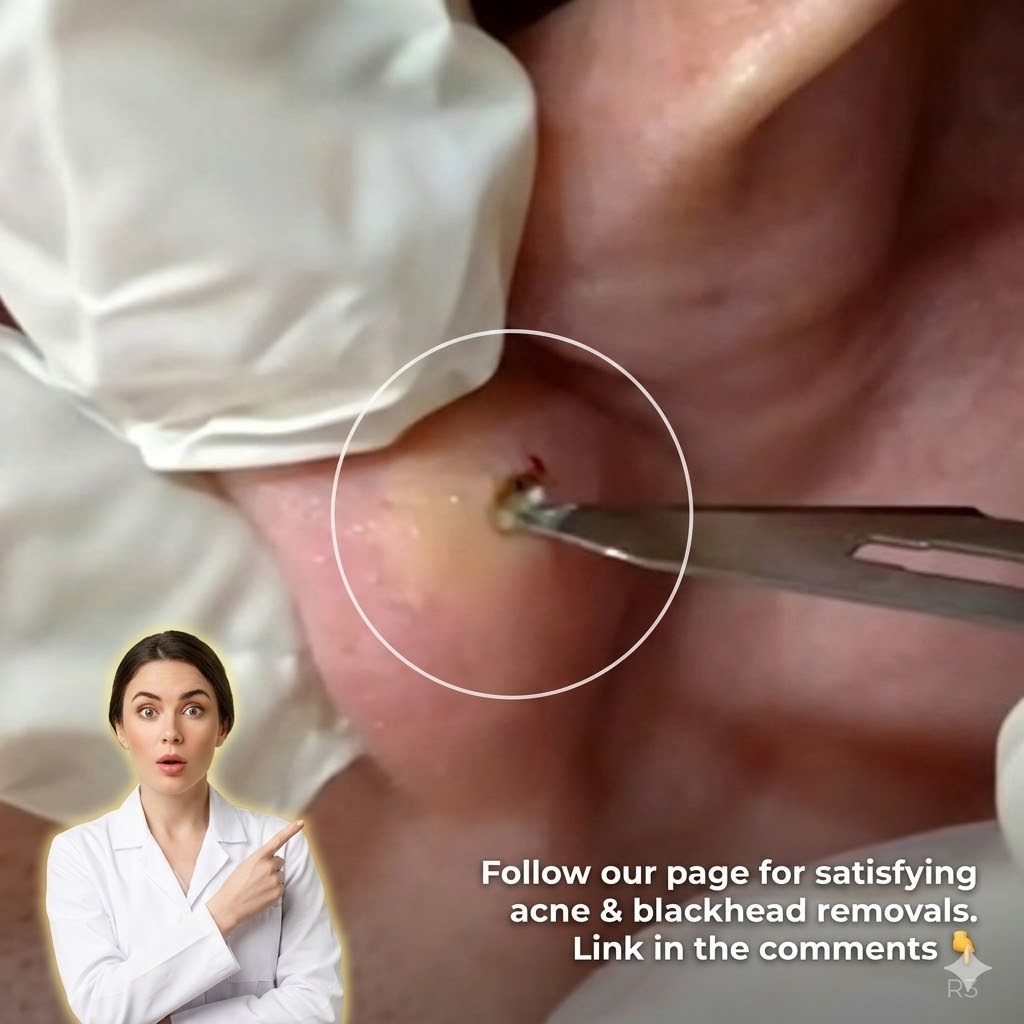
Video 1
Video 2
Video 3
Oil-free skincare formulas are designed around a central biological concept in acne development: the regulation of sebum, the oily substance produced by sebaceous glands. Sebum plays a protective role in maintaining skin hydration and barrier integrity, but excess production can contribute to clogged pores when it mixes with dead skin cells inside the follicle. This process, known as follicular keratinization, can lead to the formation of comedones such as blackheads and whiteheads. Oil-free formulations aim to reduce additional surface occlusion while supporting the skin’s natural balance, rather than completely eliminating oil from the skin.
These formulations typically replace heavier lipid-based ingredients with lightweight humectants and water-based systems. Ingredients such as glycerin and hyaluronic acid attract and retain water in the skin without contributing to pore congestion. At the same time, oil-free products often incorporate compounds that help regulate sebum production or improve pore clarity. Niacinamide, for example, is commonly used for its ability to support barrier function while helping to visibly reduce excess oil. Similarly, salicylic acid, a beta hydroxy acid, is oil-soluble and can penetrate into pores to help dissolve accumulated sebum and dead skin cells, making it particularly relevant for oily and acne-prone skin.
Hormonal influences remain a key factor in sebum production, which explains why oil-free skincare alone may not fully control breakouts. Androgens can stimulate sebaceous gland activity, increasing oil output regardless of topical product use. Environmental factors such as humidity, heat, and occlusive skincare or cosmetic products can further contribute to pore congestion. In some cases, overly aggressive oil removal through harsh cleansers may disrupt the skin barrier, leading to compensatory increases in sebum production and irritation. This highlights the importance of balancing oil control with barrier preservation.
Modern oil-free formulations are often labeled as non-comedogenic, meaning they are less likely to clog pores based on testing and ingredient selection. However, this designation does not guarantee that a product will work the same way for every individual, as skin responses can vary. The formulation as a whole, including emulsifiers, silicones, and film-forming agents, plays a significant role in how a product interacts with the skin. Some silicones, for instance, are used in oil-free products to create a breathable barrier that helps reduce transepidermal water loss without contributing to comedone formation.
In terms of treatment approaches, oil-free skincare is often combined with active ingredients that target multiple steps in acne development. Retinoids are commonly recommended to normalize skin cell turnover and prevent clogged pores. Benzoyl peroxide may be used to reduce acne-causing bacteria and inflammation. Niacinamide can support both oil regulation and barrier repair, while gentle cleansers help remove excess sebum without stripping the skin. These approaches are typically selected based on individual skin type, acne severity, and tolerance.
It is important to recognize that oil-free does not mean moisture-free. Maintaining adequate hydration is essential for healthy skin barrier function, which can influence how the skin responds to acne treatments. Overly drying routines may increase irritation and potentially worsen breakouts over time. For persistent or moderate to severe acne, consultation with a qualified dermatology professional is often recommended to develop a tailored treatment plan.
Overall, oil-free skincare formulas are developed to reduce excess surface oil and minimize pore congestion while maintaining hydration and barrier integrity. They can be a useful part of an acne-focused routine, particularly for individuals with oily skin, but they are most effective when integrated into a broader, evidence-based approach to managing acne and maintaining long-term skin health.