Video 1
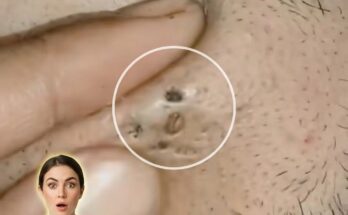
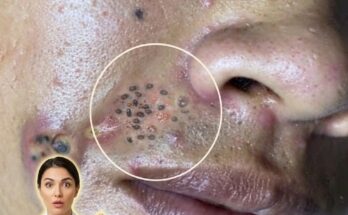
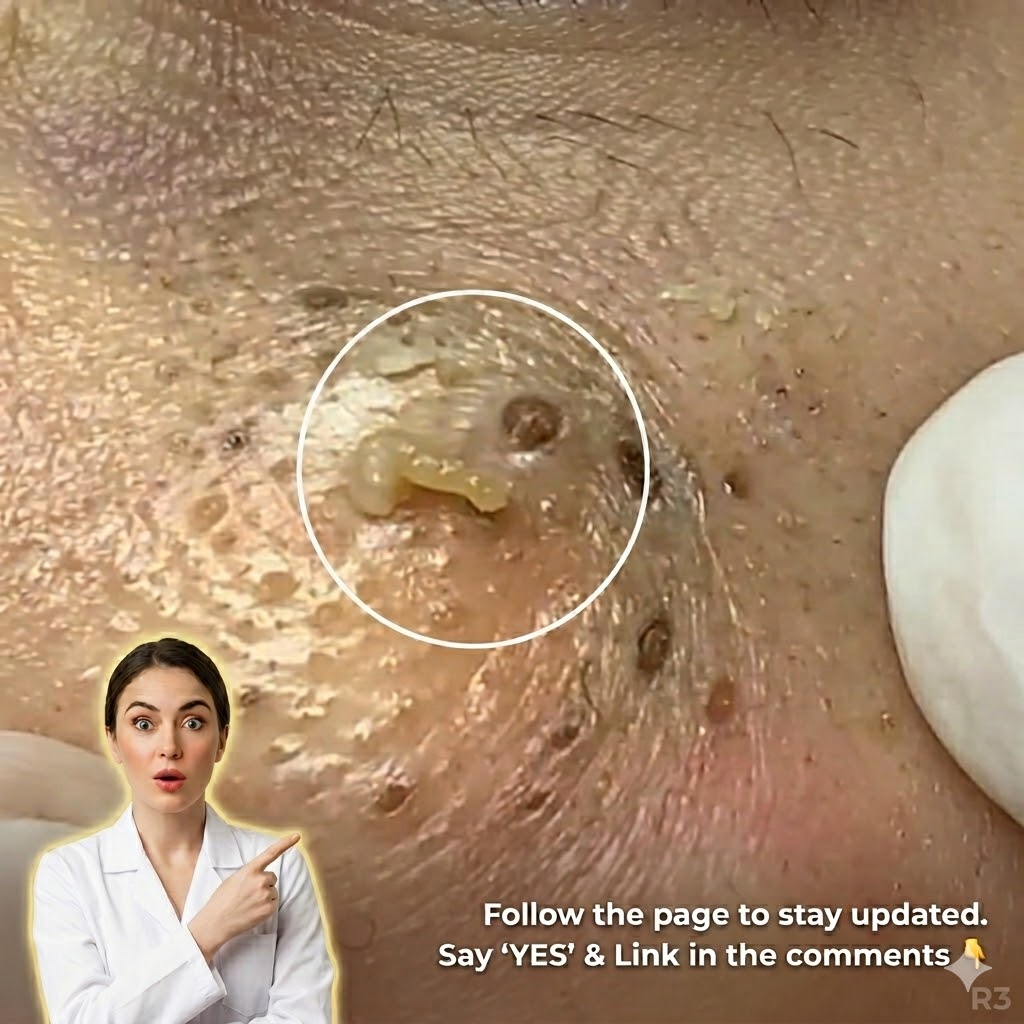
Enlarged pores are a common skin concern, particularly among individuals with oily or acne-prone skin, and their appearance is closely tied to the structure and function of the pilosebaceous unit. Each pore represents the opening of a hair follicle connected to a sebaceous gland that produces sebum, an oily substance that helps protect and hydrate the skin. When sebum production increases, it mixes with dead skin cells through a process known as follicular keratinization. If this mixture is not shed efficiently, it can accumulate within the pore, causing it to stretch and appear larger. Over time, repeated congestion and loss of skin elasticity can make pores more visibly prominent.
Several factors can contribute to enlarged pores, with genetics playing a central role in determining pore size and sebum activity. Hormonal fluctuations, particularly those involving androgens, can stimulate excess oil production, which is why enlarged pores are often associated with adolescence and acne. Environmental influences such as humidity and pollution may also exacerbate oiliness and contribute to clogged pores. In addition, improper skincare habits, including the use of heavy or comedogenic products, inadequate cleansing, or over-exfoliation, can disrupt the skin barrier and worsen the appearance of pores. Aging is another contributing factor, as collagen and elastin levels decline over time, reducing the structural support around pores and making them appear larger.
Effective management of enlarged pores focuses on controlling oil production, maintaining clear follicles, and supporting overall skin health. Ingredients such as salicylic acid, a beta hydroxy acid, are commonly used because they are oil-soluble and can penetrate into the pore lining to help dissolve excess sebum and debris. Retinoids are often recommended for their ability to normalize cell turnover, reduce follicular plugging, and support collagen production over time. Niacinamide may help regulate sebum output and improve skin texture, while gentle chemical exfoliants can assist in removing accumulated dead skin cells without causing excessive irritation. Consistent use of a non-comedogenic moisturizer is also important, as maintaining proper hydration can help balance oil production and support the skin barrier.
Professional treatments may be considered when topical approaches are insufficient. Dermatological procedures such as chemical peels, laser therapies, and microneedling are commonly used to improve skin texture and stimulate collagen remodeling, which may reduce the appearance of enlarged pores over time. These treatments should be performed under the guidance of qualified professionals to ensure safety and suitability for individual skin types.
It is important to recognize that pore size cannot be permanently changed, as it is largely determined by genetic and structural factors. However, with consistent and evidence-based skincare practices, the appearance of enlarged pores can often be minimized. Gradual improvement is more realistic than immediate results, and overly aggressive treatments may lead to irritation or worsen skin concerns. For persistent or severe issues, consulting a dermatologist can help tailor a treatment plan that aligns with individual skin needs and minimizes potential risks.