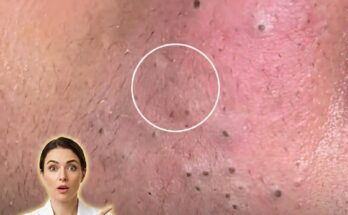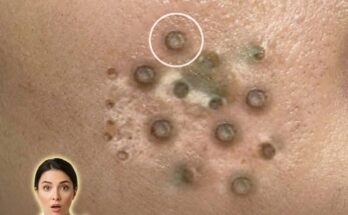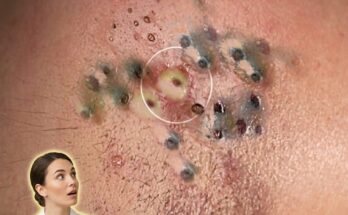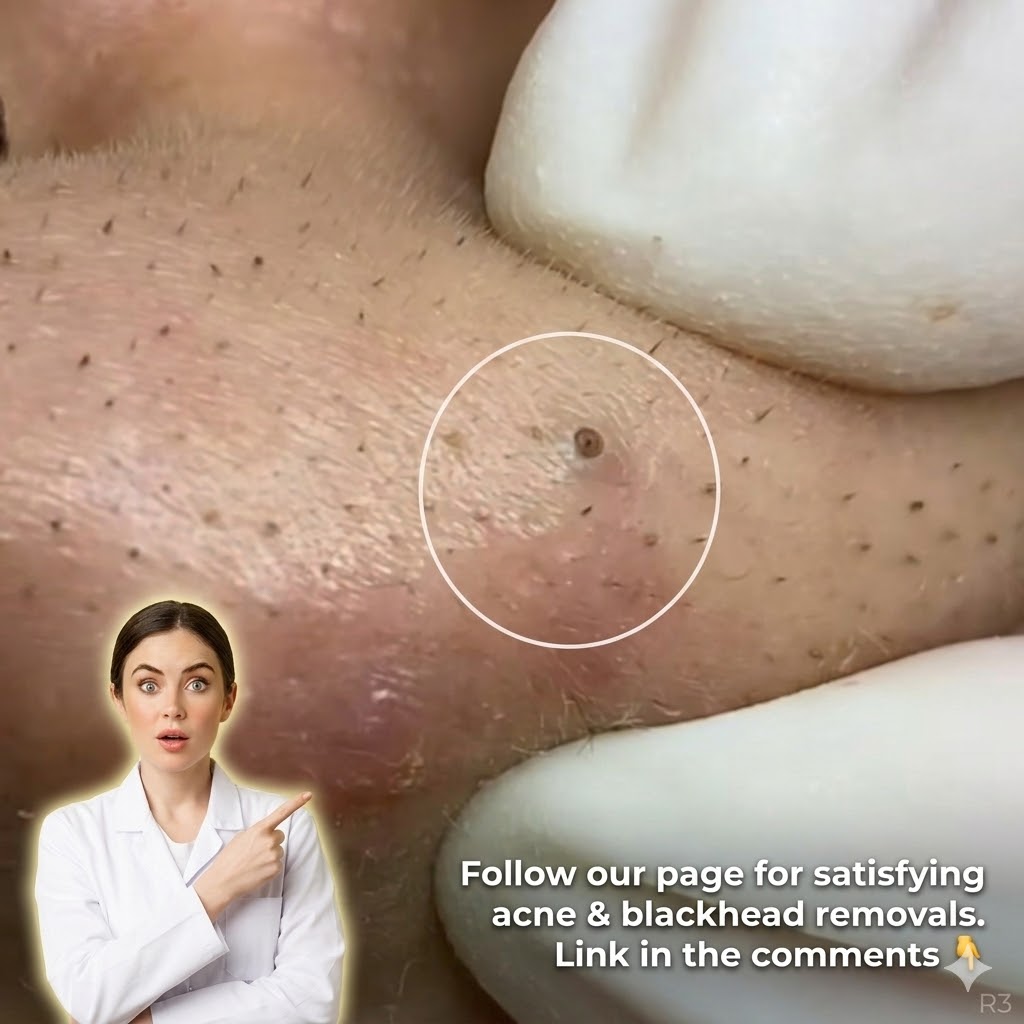
Video 1
Acne-related skin inflammation is a complex biological response that begins within the hair follicle, where oil glands produce sebum to lubricate and protect the skin. When excess sebum combines with dead skin cells, it can form a blockage within the pore, a process known as follicular keratinization. This creates an environment where Cutibacterium acnes, a naturally occurring skin bacterium, can proliferate. As these bacteria break down sebum, they release byproducts that trigger the skin’s immune system. In response, immune cells release inflammatory mediators such as cytokines, leading to redness, swelling, and the formation of papules, pustules, or deeper nodules.
This inflammatory cascade is not solely driven by bacteria but is also influenced by the skin’s barrier function and immune sensitivity. When the pore wall becomes stretched or ruptures under pressure from accumulated material, its contents can leak into surrounding tissue. This intensifies the immune reaction, often resulting in more pronounced and longer-lasting lesions. The degree of inflammation can vary significantly, which explains why some clogged pores remain as non-inflamed blackheads or whiteheads, while others evolve into visibly red and painful acne.
Several internal and external factors can contribute to this inflammatory process. Hormonal fluctuations, particularly androgens, can increase sebum production and make pores more prone to blockage. Genetic predisposition may influence how reactive an individual’s immune system is to bacterial presence. Skincare habits also play a role, as the use of comedogenic products or overly harsh cleansers can disrupt the skin barrier and exacerbate inflammation. Environmental factors such as humidity, pollution, and occlusive conditions can further promote oil buildup and microbial imbalance, increasing the likelihood of inflamed acne lesions.
Management of acne-related inflammation typically involves targeting multiple steps in this pathway. Ingredients like salicylic acid are commonly used to penetrate pores and help dissolve excess oil and debris, reducing the formation of clogged pores. Retinoids are often recommended for their ability to normalize skin cell turnover and prevent follicular buildup, which can decrease both comedonal and inflammatory acne over time. Benzoyl peroxide may help reduce bacterial load and has anti-inflammatory properties, making it useful for active breakouts. Niacinamide is frequently included in formulations for its ability to support the skin barrier and reduce visible redness.
In cases where over-the-counter approaches are insufficient, dermatological treatments may be considered. Topical or oral medications, including antibiotics or retinoids, may help modulate bacterial activity and inflammation. In more persistent or severe cases, therapies such as hormonal treatments or isotretinoin may be evaluated under medical supervision. These interventions aim to address the underlying causes of inflammation rather than just the visible symptoms.
It is important to recognize that acne inflammation is a gradual biological process, and visible improvement often takes time. While consistent skincare and appropriate treatments can help manage breakouts, results are rarely immediate. Overuse of active ingredients or aggressive routines may worsen irritation and prolong inflammation. A balanced approach that supports the skin barrier while targeting key acne mechanisms is generally more effective. Individuals experiencing persistent, painful, or scarring acne are encouraged to seek guidance from a qualified dermatology professional for personalized care.