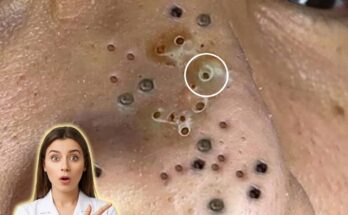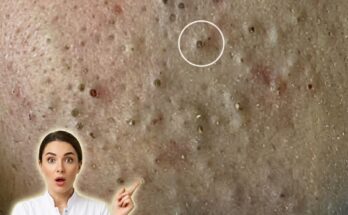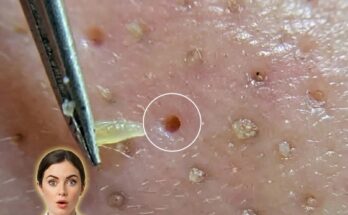
Video 1
Video 2
Video 3
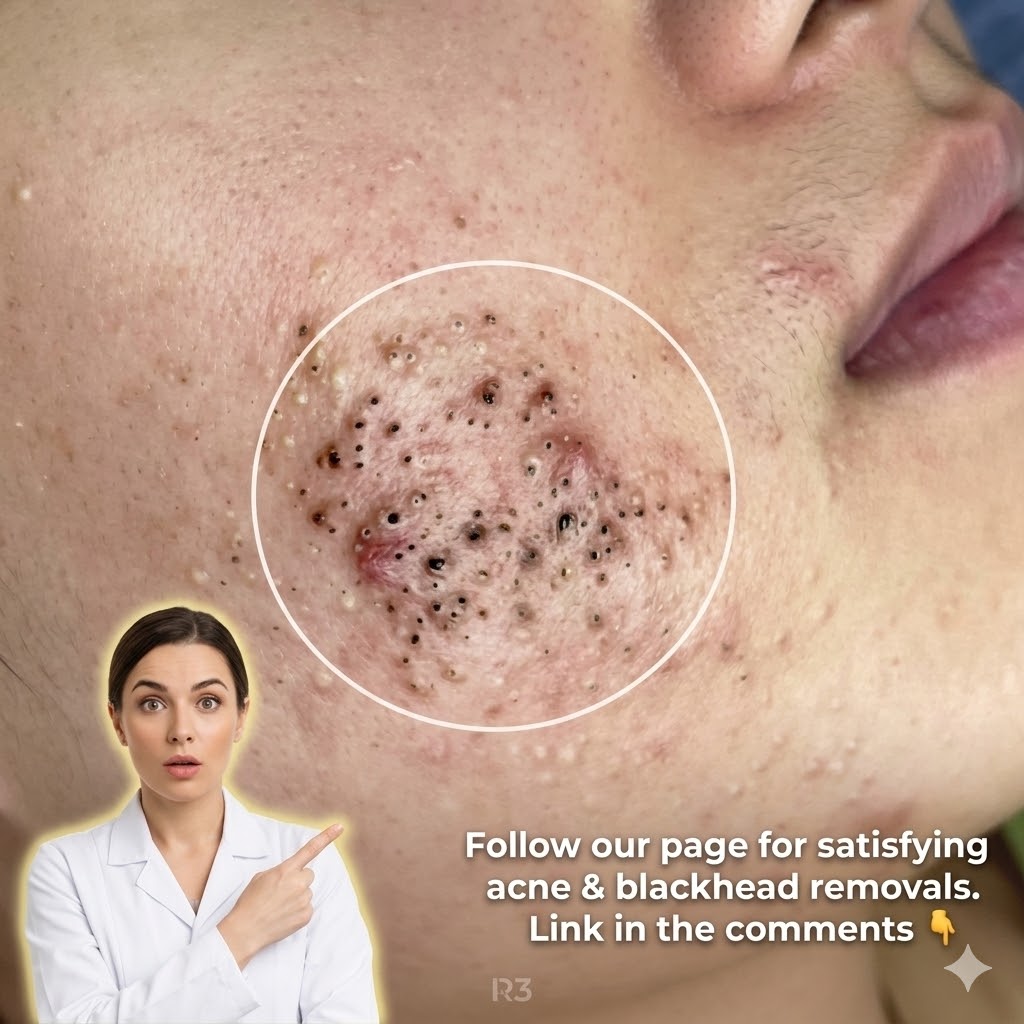
Sulfur has been used in dermatology for decades due to its multifaceted effects on the skin, particularly in conditions involving clogged pores and inflammation. In acne-prone skin, breakouts often begin with excess sebum production and abnormal shedding of skin cells within the hair follicle, a process known as follicular keratinization. These factors contribute to the formation of comedones such as blackheads and whiteheads. Sulfur is thought to support this process by promoting gentle keratolysis, meaning it helps loosen and shed dead skin cells that can accumulate inside pores. At the same time, it may reduce excess oil on the skin’s surface, creating an environment that is less favorable for acne development.
Beyond its effects on oil and dead skin buildup, sulfur also has mild antibacterial properties. While it is not as potent as ingredients like benzoyl peroxide, it may still help limit the growth of acne-associated bacteria on the skin. In addition, sulfur is known for its anti-inflammatory activity, which can be beneficial in calming redness and irritation associated with inflamed acne lesions. This combination of oil control, exfoliation, and soothing effects makes sulfur a unique option, particularly for individuals with oily skin or those experiencing both comedonal and mild inflammatory acne.
Several contributing factors influence how effective sulfur may be for a given individual. Hormonal fluctuations, especially those involving androgens, can increase sebum production and make pores more prone to congestion. Skincare habits also play a role, as overly harsh cleansing or excessive use of strong actives can damage the skin barrier, potentially worsening breakouts. Environmental factors such as humidity and pollution may further contribute to pore clogging. In this context, sulfur is often considered a gentler alternative or complement to more aggressive treatments, especially for those who cannot tolerate stronger ingredients.
In practical skincare use, sulfur is commonly found in cleansers, spot treatments, and masks. It is often combined with other ingredients such as salicylic acid, which penetrates into pores to dissolve oil, or resorcinol, which enhances exfoliation. Compared to retinoids, which regulate cell turnover at a deeper level, sulfur tends to act more superficially but may still support overall pore clarity. It can also be used alongside niacinamide, which helps regulate oil production and support the skin barrier, creating a more balanced approach to managing acne.
Dermatology treatments may incorporate sulfur in specific cases, particularly when patients have sensitive skin or conditions like rosacea overlapping with acne. However, sulfur is not typically the first-line treatment for moderate to severe acne, where options such as topical retinoids, benzoyl peroxide, or prescription therapies may be more effective. Instead, sulfur often serves as a supportive or adjunctive ingredient within a broader acne management plan.
As with any skincare ingredient, realistic expectations are important. Sulfur may help reduce mild breakouts and improve the appearance of oily, congested skin over time, but results are usually gradual rather than immediate. Some individuals may experience dryness or a characteristic odor associated with sulfur-based products, which can affect tolerability. Consistent use, balanced with proper hydration and barrier care, is generally recommended to minimize irritation.
For persistent, widespread, or severe acne, consultation with a qualified dermatologist is advisable to determine the most appropriate treatment strategy. Sulfur can be a useful component of acne care, particularly for those seeking a gentle, multifunctional ingredient, but it is most effective when integrated into a well-rounded, evidence-based skincare routine.