Video 1
Video 2
Video 3
Sebum plays a central role in the development of acne, acting as both a protective substance for the skin and a key contributor to clogged pores when produced in excess. Sebum is an oily substance secreted by the sebaceous glands, which are connected to hair follicles. Its primary function is to lubricate the skin and maintain the integrity of the skin barrier by preventing excessive water loss. However, when sebum production becomes elevated, it can mix with dead skin cells and accumulate inside the follicle, creating an environment where pores become blocked. This process, known as follicular occlusion, is one of the earliest steps in the formation of comedones, including blackheads and whiteheads.
The overproduction of sebum is often influenced by hormonal activity, particularly androgens, which stimulate sebaceous gland enlargement and increased oil output. This is why acne commonly appears during puberty, but hormonal fluctuations in adulthood, such as those related to menstrual cycles or stress, can also contribute. Genetics may also play a role, as individuals with naturally oilier skin tend to produce more sebum. Environmental factors, including humidity and the use of occlusive or pore-clogging skincare products, can further exacerbate the buildup of oil within pores. In addition, improper cleansing habits, such as overwashing or using harsh cleansers, may disrupt the skin barrier and paradoxically trigger increased sebum production as the skin attempts to compensate for dryness.
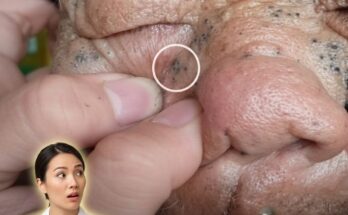
Once excess sebum accumulates within the pore, it creates an ideal environment for the proliferation of Cutibacterium acnes, a bacterium commonly associated with acne. This can lead to inflammation, resulting in red, swollen lesions. Even in non-inflammatory acne, such as blackheads, sebum plays a critical role by oxidizing when exposed to air, which gives blackheads their characteristic dark appearance. The combination of excess oil, dead skin cells, and microbial activity underscores the multifactorial nature of acne development.
Managing sebum production is therefore a key component of acne treatment. Topical ingredients such as salicylic acid are commonly used because they are oil-soluble and can penetrate into pores to help dissolve excess sebum and exfoliate dead skin cells. Retinoids are often recommended for their ability to normalize skin cell turnover and prevent clogged pores. Niacinamide may help regulate oil production and support the skin barrier, while benzoyl peroxide is frequently used to reduce bacterial growth and inflammation. In some cases, dermatological treatments such as prescription retinoids, hormonal therapies, or procedures like chemical peels may be considered for more persistent acne.
It is important to approach sebum control with balance, as completely stripping the skin of oil can lead to irritation and increased oil production over time. Gentle cleansing, consistent use of non-comedogenic products, and gradual introduction of active ingredients are often recommended strategies. While managing sebum can significantly improve acne-prone skin, results typically take time, and responses vary between individuals. For moderate to severe or persistent acne, consultation with a qualified dermatologist may help guide appropriate and personalized treatment options.