Video 1
Video 2
Video 3
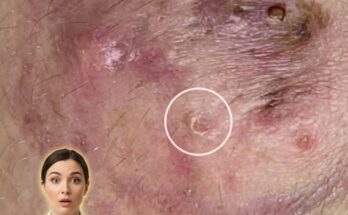
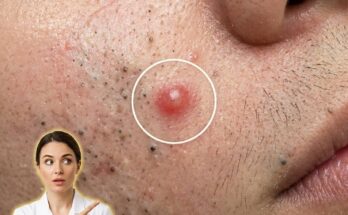
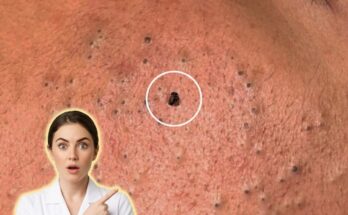
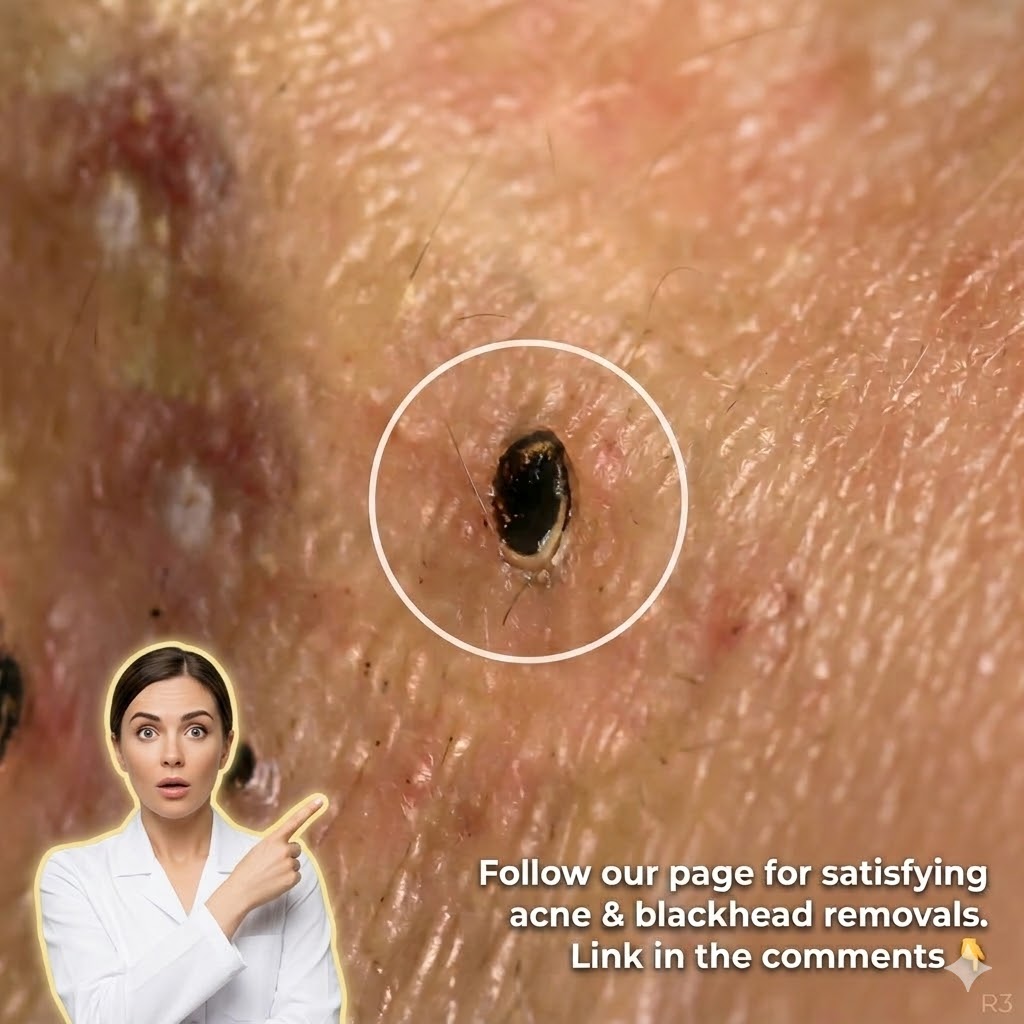
The development of acne inflammation is closely linked to the skin’s immune response, which acts as a defense mechanism when the body detects potential threats within the hair follicle. Acne often begins with excess sebum production and abnormal shedding of skin cells, leading to clogged pores and the formation of comedones such as blackheads and whiteheads. Within these blocked follicles, the bacteria Cutibacterium acnes can proliferate. Although this bacterium is a normal part of the skin microbiome, its overgrowth in a confined, oil-rich environment can trigger the immune system. Immune cells recognize bacterial components and release signaling molecules known as cytokines, which promote inflammation. This process contributes to the redness, swelling, and discomfort commonly seen in inflammatory acne lesions.
The intensity of the immune response can vary significantly between individuals, which helps explain why some people develop mild comedonal acne while others experience more severe inflammatory forms. Hormonal fluctuations, particularly increased androgens, can stimulate sebaceous glands to produce more oil, creating conditions that favor bacterial growth and immune activation. Genetic predisposition may also influence how reactive the immune system is to C. acnes, with some individuals more prone to heightened inflammatory responses. In addition, external factors such as harsh skincare products, environmental pollutants, and mechanical friction from masks or tight clothing can further disrupt the skin barrier, making it more susceptible to irritation and immune-triggered inflammation.
Skincare habits play an important role in either supporting or aggravating the immune response in acne-prone skin. Over-cleansing or using overly aggressive exfoliants may weaken the skin barrier, increasing sensitivity and promoting inflammatory signaling. On the other hand, gentle cleansing and the use of non-comedogenic products may help maintain barrier integrity and reduce unnecessary immune activation. Ingredients such as salicylic acid are commonly used to penetrate pores and dissolve excess oil and মৃত skin cells, which may help reduce the buildup that contributes to bacterial overgrowth. Benzoyl peroxide is often recommended for its ability to reduce C. acnes populations, which can indirectly lessen immune system stimulation. Retinoids may help normalize follicular keratinization, preventing clogged pores and reducing the likelihood of inflammatory lesions forming in the first place. Niacinamide is also frequently included in skincare formulations due to its potential to support the skin barrier and calm visible redness associated with inflammation.
In more persistent or moderate-to-severe cases, dermatological treatments may be considered to better regulate the immune response and inflammation. Topical or oral medications, including certain antibiotics or retinoids, are sometimes prescribed to reduce bacterial load and modulate inflammatory pathways. Emerging research also explores how targeting specific immune signals may improve acne outcomes, reflecting a growing understanding that acne is not only a pore-clogging condition but also an immune-mediated process.
It is important to recognize that reducing acne inflammation often requires consistent, balanced care rather than aggressive treatment. Improvements typically occur gradually as the skin’s environment becomes more stable and less prone to immune overreaction. Because individual responses can differ, consulting a qualified skincare professional or dermatologist may help tailor an approach that addresses both the biological and environmental contributors to acne. Maintaining realistic expectations and focusing on long-term skin health can support better management of inflammation and overall acne control.