Video 1
Video 2
Video 3
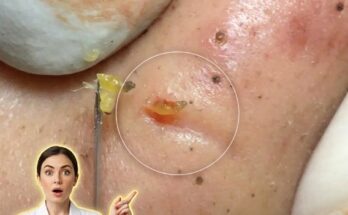
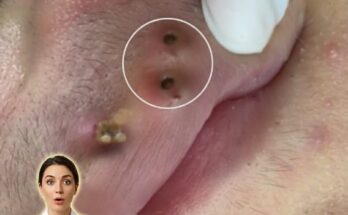
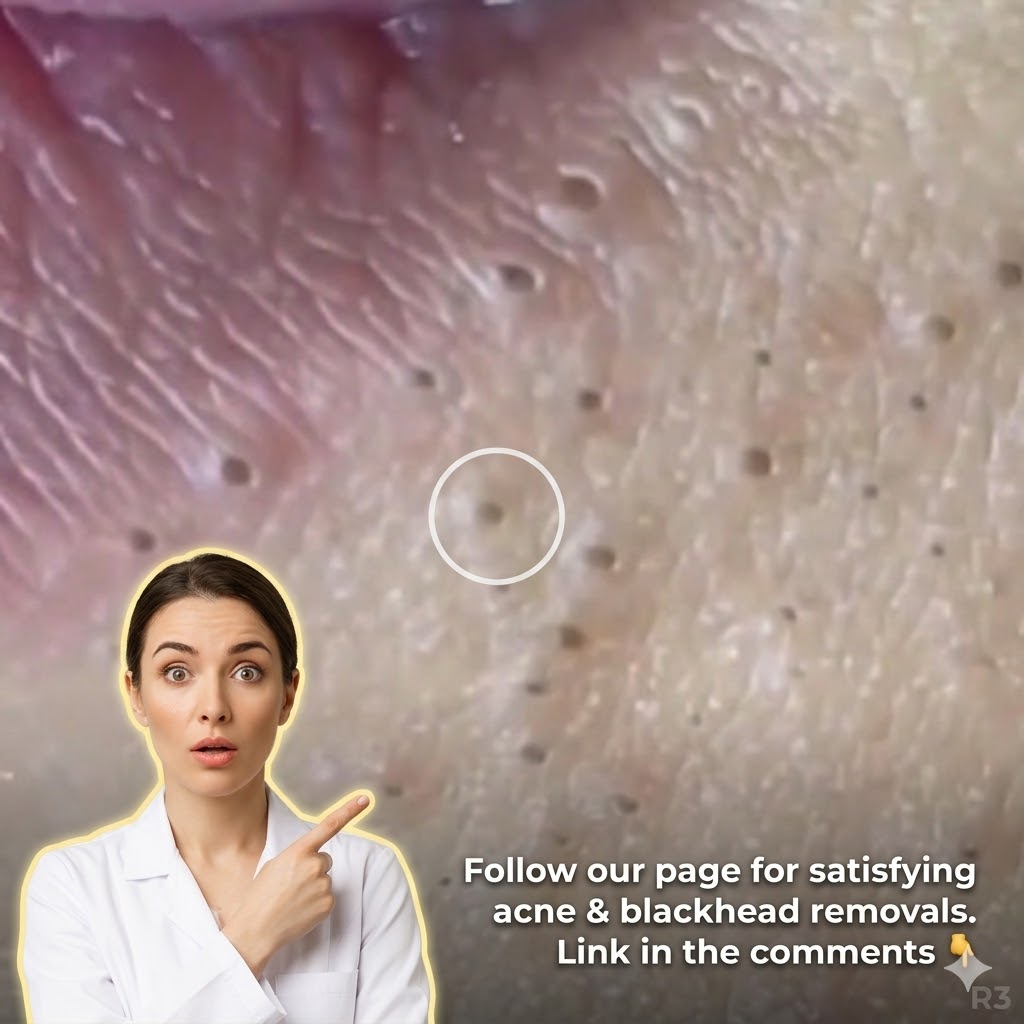
Hair products can play a significant role in the development of forehead acne by influencing the environment around the hairline and upper facial skin. The forehead contains a high density of sebaceous glands, which produce sebum to lubricate the skin. When hair products such as oils, pomades, conditioners, or styling creams come into contact with this area, they may mix with sebum and dead skin cells, increasing the likelihood of follicular keratinization and clogged pores. This process can lead to the formation of comedones, including blackheads and whiteheads, and may progress to inflammatory acne if bacteria and immune responses become involved.
Many hair products are formulated with occlusive or comedogenic ingredients designed to coat and smooth the hair shaft. While beneficial for hair texture, these substances can transfer onto the skin, particularly in individuals with longer hair, bangs, or frequent use of leave-in products. Ingredients such as certain silicones, waxes, and heavy oils may create a film over the skin that traps debris and limits normal shedding of keratinocytes within the pore. This occlusion can disrupt the skin barrier and contribute to congestion, especially in people with oily skin or those already prone to acne.
Application habits and environmental factors further influence how hair products affect the skin. Products applied close to the scalp or hairline are more likely to migrate onto the forehead through sweat, humidity, or natural movement throughout the day. In warmer climates or during physical activity, increased sweating may enhance this transfer, combining sweat, sebum, and product residue into a mixture that can clog pores more easily. Inadequate cleansing, particularly along the hairline, may allow these residues to accumulate over time, worsening congestion and breakouts.
Hormonal influences and individual skin characteristics also play a role in susceptibility. People with higher sebum production or a tendency toward comedonal acne may be more sensitive to pore-clogging effects. Genetic predisposition to acne and variations in skin barrier function can further determine how the skin responds to repeated exposure to hair product residues. Even products labeled as lightweight or non-greasy may still contribute to breakouts depending on formulation and individual response.
Management of forehead acne related to hair products typically involves a combination of habit adjustments and targeted skincare. Using non-comedogenic or lightweight hair formulations may help reduce pore-clogging potential, although the term is not strictly regulated and individual reactions can vary. Applying hair products away from the hairline and avoiding direct contact with the skin may also be beneficial. Regular cleansing of the forehead, especially after sweating or product use, can help remove residues before they contribute to clogged pores.
Topical skincare ingredients commonly used for acne may support improvement in these cases. Salicylic acid, a beta hydroxy acid, is often recommended because it can penetrate into pores and help dissolve excess oil and keratin buildup. Retinoids may support normalization of skin cell turnover and reduce the formation of comedones over time. Benzoyl peroxide may help limit bacterial growth in inflammatory lesions, while niacinamide may assist in regulating oil production and calming inflammation. These treatments should be introduced gradually to minimize irritation and support skin barrier function.
In more persistent or severe cases, consultation with a dermatologist may be appropriate. A professional evaluation can help differentiate between acne caused primarily by hair products, sometimes referred to as pomade acne, and other forms of acne that may require different treatment approaches. Prescription treatments or tailored skincare routines may be recommended based on the individual’s skin type and severity of symptoms.
Overall, the relationship between hair products and forehead acne highlights the importance of considering all external factors that come into contact with the skin. While hair care is essential, product selection and application techniques can influence skin health. Consistent, gentle skincare and mindful use of hair products may help reduce the risk of clogged pores and support clearer skin over time, although results can vary and typically require ongoing maintenance rather than immediate resolution.