Video 1
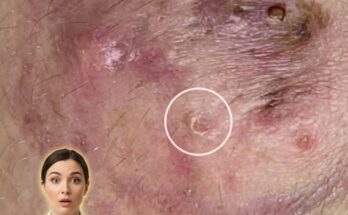
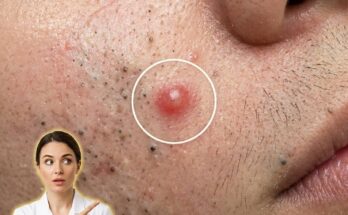
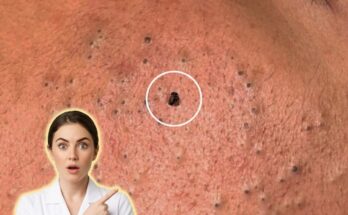
Emollients play a central role in maintaining the skin barrier, which is a critical factor in the development and persistence of acne. Acne-prone skin is often characterized not only by excess sebum production and clogged pores but also by impaired barrier function. When the skin barrier is weakened, transepidermal water loss increases, leading to dehydration and irritation. In response, the skin may produce more oil, which can mix with dead skin cells inside the follicle and contribute to the formation of comedones such as blackheads and whiteheads. Emollients help counter this process by softening and smoothing the outer layer of the skin, improving barrier integrity and reducing water loss.
At a biological level, emollients work by filling in the gaps between skin cells in the stratum corneum. This creates a smoother surface and supports proper desquamation, the natural shedding of dead skin cells. When this process is functioning well, there is less accumulation of keratin within pores, which may reduce the likelihood of follicular blockage. In acne-prone individuals, disrupted keratinization is a key factor in comedone formation, so maintaining a balanced skin surface environment is important. By improving skin flexibility and hydration, emollients can indirectly support more normal pore function.
Several contributing factors influence how emollients interact with acne-prone skin. Hormonal fluctuations, particularly increases in androgens, can stimulate sebaceous glands and lead to higher sebum output. Environmental stressors such as low humidity, pollution, and harsh cleansing routines can further weaken the barrier, increasing sensitivity and inflammation. In this context, the use of appropriate emollients becomes important. However, not all emollients are equally suitable for acne-prone skin. Heavier, occlusive formulations may feel beneficial for dryness but can sometimes contribute to a feeling of congestion, especially in individuals prone to clogged pores.
Modern skincare formulations often address this by using lightweight, non-comedogenic emollients such as certain fatty alcohols, esters, and silicones. These ingredients are designed to provide barrier support without significantly increasing pore blockage risk. Ingredients like niacinamide are frequently included alongside emollients to help regulate oil production and reduce inflammation, while salicylic acid may be used in complementary routines to help keep pores clear. Balancing hydration and exfoliation is often recommended, as overly aggressive treatments can worsen barrier damage and trigger more breakouts.
From a treatment perspective, emollients are commonly integrated into broader acne management routines. Many topical acne treatments, including retinoids and benzoyl peroxide, can cause dryness and irritation, which may compromise adherence if not managed properly. The use of a suitable emollient moisturizer can help improve tolerability by reducing irritation and supporting barrier repair. This may allow individuals to continue using active treatments more consistently, which is important for long-term acne control.
It is also important to recognize that acne-prone skin does not necessarily benefit from eliminating moisture. In fact, insufficient hydration can worsen oil imbalance and increase the likelihood of irritation-related breakouts. Choosing formulations labeled as non-comedogenic and appropriate for oily or acne-prone skin is often recommended, although individual responses can vary. Patch testing and gradual introduction of new products may help reduce the risk of adverse reactions.
Overall, emollients are an important but sometimes misunderstood component of acne skincare. Rather than causing breakouts by default, well-formulated emollients may help maintain barrier health, reduce irritation, and support more stable skin function. As with most aspects of acne care, results can vary depending on individual skin biology, product formulation, and consistency of use. Persistent or severe acne may benefit from evaluation by a qualified dermatology professional to develop a tailored treatment plan.