The world of plants is a vibrant tapestry of life, intricately woven into the fabric of our daily existence.
From the towering trees that grace our forests to the delicate flowers that bloom in our gardens, plants play a crucial role in sustaining life on Earth.
Their fascinating journey, filled with resilience and adaptability, invites us to look closer at the incredible ways they enrich our lives.
Sebum production is largely regulated by a group of hormones known as androgens. These hormones, which include testosterone and its more potent derivative dihydrotestosterone (DHT), interact directly with the sebaceous glands located within hair follicles. Sebaceous glands are responsible for producing sebum, an oily substance that helps lubricate the skin and maintain barrier function. When androgens bind to receptors in sebaceous gland cells, they stimulate the glands to grow larger and produce more oil. In individuals prone to acne, increased sebum production can contribute to clogged pores, creating an environment where blackheads, whiteheads, and inflamed acne lesions may develop.
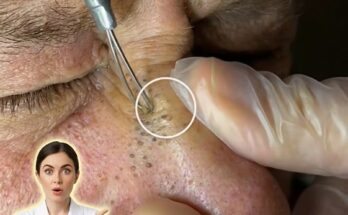
Sebum itself is not harmful and plays an important protective role for the skin. It helps maintain hydration, supports the skin barrier, and transports antioxidants to the skin surface. However, when excess sebum mixes with dead skin cells inside the hair follicle, the pore can become obstructed through a process known as follicular keratinization. This blockage forms the foundation of comedones, which appear as blackheads or whiteheads. Once a pore becomes clogged, the environment inside the follicle can support the growth of bacteria associated with acne, which may trigger inflammation and lead to more visible breakouts.
Androgen activity increases naturally during puberty, which is one reason acne commonly begins in adolescence. During this time, hormonal signals stimulate sebaceous glands throughout the face, chest, shoulders, and back. The T-zone of the face, which includes the forehead, nose, and chin, often contains a higher concentration of sebaceous glands and therefore tends to produce more oil. Genetic factors can also influence how strongly sebaceous glands respond to androgens, meaning some individuals may experience oily skin and acne even when hormone levels fall within a normal range.
Hormonal fluctuations later in life can also influence sebum production. Many people notice breakouts along the jawline or lower cheeks during certain phases of the menstrual cycle, when androgen activity temporarily increases relative to other hormones. Stress may also play a role because stress-related hormones can indirectly influence androgen signaling and oil production. Environmental factors such as humidity, heavy occlusive skincare products, and frequent touching of the face can further contribute to clogged pores when sebum levels are already elevated.
Managing androgen-driven sebum production often focuses on maintaining clear pores and supporting healthy skin turnover. Ingredients such as salicylic acid are commonly used to penetrate oily follicles and help dissolve buildup within clogged pores. Retinoids are frequently recommended because they help normalize skin cell turnover and reduce the formation of comedones over time. Benzoyl peroxide may be used to reduce acne-causing bacteria when inflammation develops, while niacinamide is often included in skincare routines to help support the skin barrier and may help moderate oil appearance.
For individuals with persistent or hormonally driven acne, dermatologists sometimes consider treatments that address hormonal pathways directly. Certain prescription medications may help regulate androgen effects on sebaceous glands, particularly in cases where breakouts are concentrated along the lower face or occur consistently during hormonal cycles. Professional guidance is important in these situations because treatment must be tailored to the individual’s health history and skin condition.
Although androgens play a central role in sebum production, acne development usually involves multiple interacting factors, including genetics, follicular blockage, bacteria, and inflammation. Consistent skincare routines that focus on gentle cleansing, non-comedogenic products, and evidence-based ingredients may help maintain clearer pores over time. Because responses to treatment can vary, individuals with ongoing or severe acne are generally encouraged to consult a qualified dermatology professional for personalized evaluation and care.