Video 1
Video 2
Video 3
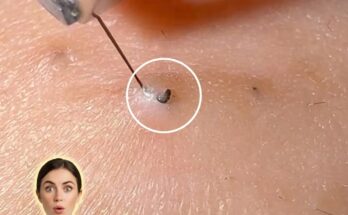
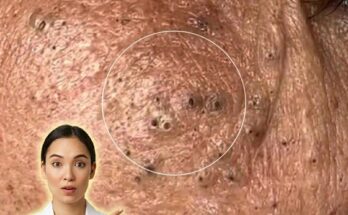
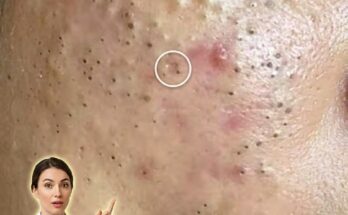
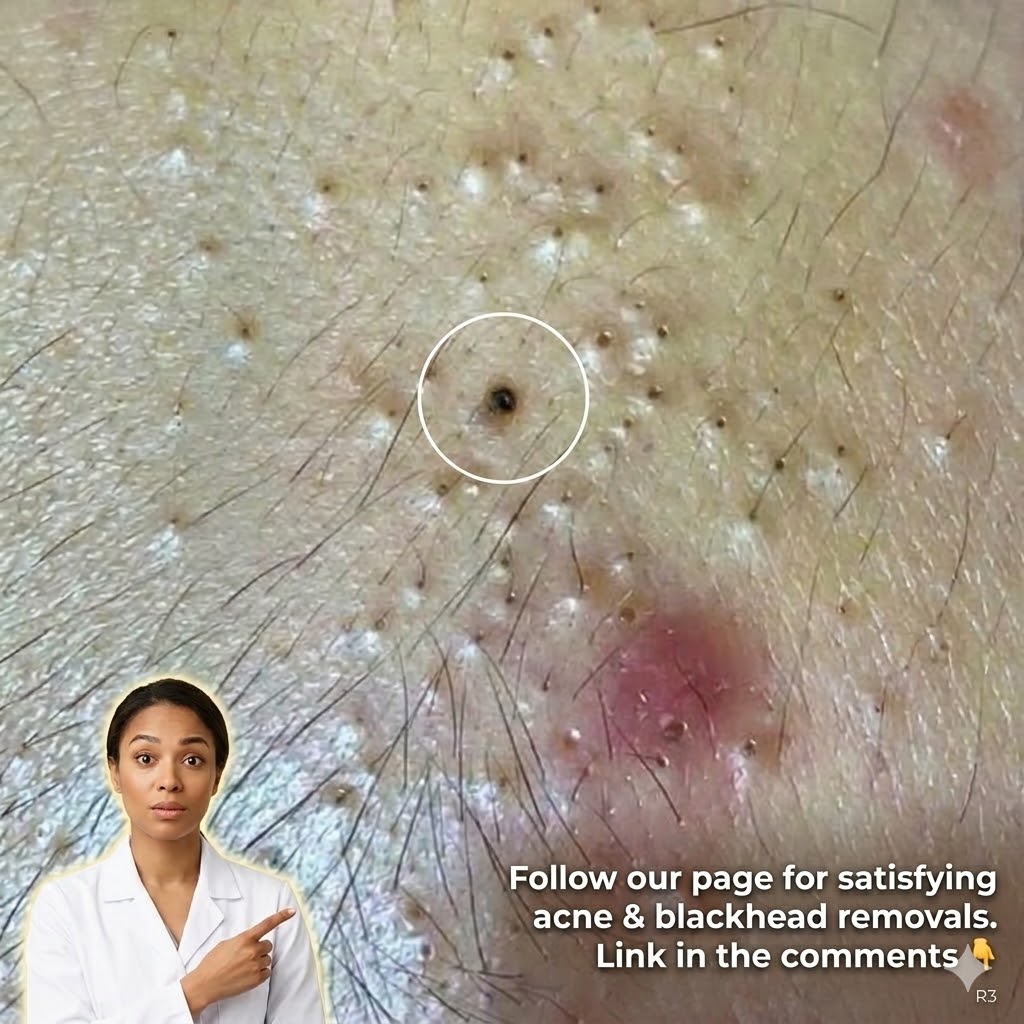
Oily skin is characterized by increased sebum production from the sebaceous glands, which are influenced by hormonal signals such as androgens. This excess oil can mix with dead skin cells within the follicle, contributing to clogged pores, comedones such as blackheads and whiteheads, and in some cases inflammatory acne. While it may seem counterintuitive, hydration plays a critical role in regulating these processes. When the skin becomes dehydrated, even if it is oily, it may respond by increasing sebum output as a compensatory mechanism, which can further exacerbate pore congestion and breakouts.
Lightweight hydration refers to the use of water-based or low-occlusive formulations that deliver moisture without adding excess heaviness or pore-clogging potential. These formulations typically rely on humectants such as glycerin or hyaluronic acid, which attract water into the outer layers of the skin without significantly increasing surface oiliness. This approach helps maintain the skin barrier while minimizing the risk of creating an environment that supports the accumulation of sebum and keratin within pores. Maintaining proper hydration may also support normal desquamation, the process by which dead skin cells are shed, reducing the likelihood of follicular blockage.
Several contributing factors can influence how oily skin responds to hydration. Over-cleansing or using harsh products can disrupt the skin barrier, leading to increased transepidermal water loss and triggering compensatory oil production. Environmental conditions such as heat and humidity can also affect sebum levels, while genetic predisposition plays a role in baseline oiliness. Skincare habits that focus solely on oil removal without restoring hydration may unintentionally worsen the cycle of dehydration and excess sebum, highlighting the importance of balanced formulations.
In terms of treatment and skincare strategies, lightweight hydrating products are often recommended as part of a broader acne management routine. Gel-based moisturizers and oil-free formulations are commonly used for oily and acne-prone skin types. Ingredients such as niacinamide may help regulate sebum production and support the skin barrier, while salicylic acid can penetrate into pores to help dissolve excess oil and debris. Retinoids are frequently used to normalize follicular keratinization, reducing the formation of comedones, and benzoyl peroxide may help target acne-causing bacteria in inflammatory cases. Combining these treatments with appropriate hydration can improve tolerability and reduce irritation, which is important for maintaining consistent use.
It is important to recognize that not all oily skin behaves the same, and responses to skincare products can vary. Introducing lightweight hydration gradually and monitoring how the skin reacts can help identify suitable formulations. Overloading the skin with multiple active ingredients at once may increase irritation, which can negatively impact both the skin barrier and acne outcomes. Persistent or severe acne may require evaluation by a qualified dermatologist, who can tailor treatments based on individual skin characteristics.
In summary, lightweight hydration plays a foundational role in managing oily skin by supporting barrier function, helping regulate sebum production, and reducing factors that contribute to clogged pores. Rather than eliminating moisture, a balanced approach that includes appropriate hydration alongside evidence-based acne treatments is often more effective for maintaining clearer and healthier-looking skin over time.