In today’s fast-paced world, the quest for effective learning is more pressing than ever.
As technology continues to evolve, so too do the tools we have at our disposal for education and training.
One of the standout innovations in this realm is the Learning Management System (LMS), which has transformed the landscape of feedback in educational settings.
Acne often begins with subtle biological changes in the skin long before visible pimples, blackheads, or whiteheads appear. These early changes primarily occur within the pilosebaceous unit, which consists of the hair follicle, sebaceous gland, and surrounding skin cells. Sebaceous glands naturally produce sebum, an oily substance that helps lubricate and protect the skin. During certain life stages, particularly adolescence, hormonal signals can stimulate these glands to produce larger amounts of oil. When sebum production increases while the pore lining is simultaneously undergoing abnormal cell turnover, the environment within the follicle becomes more prone to blockage and the early stages of acne formation begin.
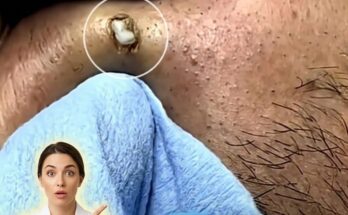
One of the earliest biological processes associated with acne development is follicular keratinization. Under normal circumstances, dead skin cells shed gradually from the lining of the pore and are carried to the surface by sebum. In acne-prone skin, however, this shedding process can become irregular. Skin cells may stick together rather than separating cleanly, leading to the gradual buildup of keratin and cellular debris within the follicle. This mixture of oil and dead skin cells can form a microscopic plug known as a microcomedone. Microcomedones are considered the earliest acne lesions and are not visible to the naked eye, yet they serve as the foundation for future blackheads, whiteheads, and inflammatory acne.
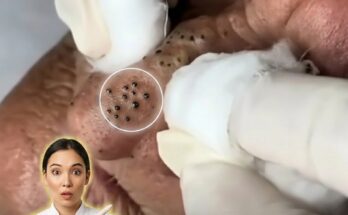
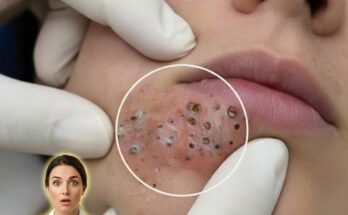
As the pore becomes obstructed, sebum continues to accumulate behind the blockage. This creates an environment where oil is trapped inside the follicle. When the opening of the pore remains partially open, the accumulated sebum may oxidize when exposed to air, contributing to the dark appearance associated with blackheads. If the pore opening remains closed, the trapped material forms a whitehead, also known as a closed comedone. These early non-inflammatory lesions often represent the transition point between microscopic pore changes and visible acne.
Hormonal fluctuations are among the most influential triggers of these early biological changes. Androgens, a group of hormones that increase during puberty and can fluctuate during menstrual cycles or periods of stress, are known to stimulate sebaceous glands. Increased androgen activity may lead to greater sebum production, which can overwhelm the skin’s natural ability to keep pores clear. Even in adulthood, hormonal changes may continue to influence oil production and contribute to persistent or recurrent acne in some individuals.
Genetic factors may also play a role in determining how the skin responds to these hormonal signals. Some individuals naturally have larger or more active sebaceous glands, while others may have a tendency toward increased follicular keratinization. This combination can create a skin environment that is more susceptible to clogged pores and comedonal acne. Environmental factors such as humidity, occlusive skincare products, and friction from clothing or equipment may further contribute to pore congestion in certain situations.
The early stages of acne can also involve changes in the skin microbiome. Cutibacterium acnes, a bacterium commonly found on healthy skin, thrives in the lipid-rich environment created by trapped sebum. When the follicle becomes blocked, these bacteria may multiply within the pore. While the presence of this bacterium alone does not cause acne, its interaction with excess sebum and trapped skin cells may trigger inflammatory responses in some cases. This inflammation can lead to the progression from non-inflammatory comedones to red, swollen papules or pustules.
Skincare habits can influence how easily these early biological changes develop. Heavy or highly occlusive products may contribute to pore blockage in some individuals, particularly those with oily or acne-prone skin. Inadequate cleansing may allow oil, sweat, and environmental debris to accumulate on the skin’s surface, while overly aggressive cleansing or exfoliation can disrupt the skin barrier and potentially worsen irritation. Maintaining a balanced skincare routine that supports normal skin turnover without excessive irritation may help reduce the conditions that promote clogged pores.
Several evidence-based skincare ingredients are commonly used to address the early mechanisms involved in acne formation. Salicylic acid, a beta hydroxy acid, is oil-soluble and can penetrate into the pore to help loosen the buildup of dead skin cells and sebum. This process may help reduce the formation of comedones and improve the appearance of blackheads and whiteheads. Retinoids, including both over-the-counter retinol and prescription topical retinoids, are widely used in dermatology because they help normalize follicular keratinization and encourage more regular skin cell turnover. By addressing the abnormal shedding of skin cells within the pore, retinoids may help prevent the formation of microcomedones.
Other ingredients such as benzoyl peroxide and niacinamide are often incorporated into acne-focused skincare routines as well. Benzoyl peroxide may help reduce acne-causing bacteria and limit inflammatory responses within the follicle, while niacinamide is frequently used to support the skin barrier and regulate oil production. When combined with gentle cleansing and non-comedogenic moisturizers, these ingredients may help create conditions that make pore blockage less likely.
It is important to recognize that acne develops gradually and is influenced by multiple biological and environmental factors. Even when early skincare strategies are implemented, results typically require consistent use over several weeks or months before visible improvement becomes noticeable. Individuals experiencing persistent or severe acne may benefit from consulting a qualified dermatologist, who can evaluate the underlying causes and recommend treatments that address the early biological processes responsible for acne development while minimizing irritation and long-term skin damage.