Chemistry is often viewed as a complicated and abstract science, but in reality, it plays a fundamental role in our everyday lives, shaping the materials we encounter regularly.
From the clothes we wear to the food we eat and the products we use in our homes, chemistry is the invisible thread that weaves through our daily existence.
By understanding how chemistry influences these materials, we can appreciate the intricate balance of nature and innovation that surrounds us.
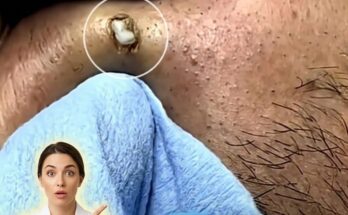
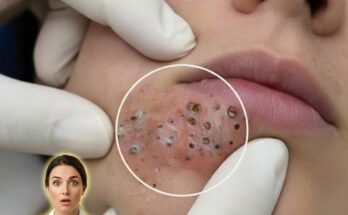
Closed and open comedones are two forms of non-inflammatory acne lesions that develop when pores become clogged with a mixture of sebum, dead skin cells, and other debris. Both types originate from the same biological process involving follicular keratinization, a condition in which skin cells inside the hair follicle shed and accumulate faster than they can be naturally cleared. When these cells combine with sebum produced by the sebaceous glands, they can obstruct the pore and create what dermatology literature refers to as a comedone. This early stage of acne forms before significant inflammation develops and is commonly associated with oily skin and areas of the face where sebaceous glands are larger and more active. Closed comedones, often called whiteheads, occur when the clogged pore remains sealed at the surface of the skin. Because the follicular opening is blocked, the material inside the pore is not exposed to air. This trapped mixture of sebum and keratin stays beneath a thin layer of skin, creating small, flesh-colored or white bumps that may feel slightly raised or uneven. Closed comedones can appear in clusters and are commonly found on the forehead, cheeks, and jawline. Since the pore opening is narrow, these lesions may persist for extended periods if the buildup of dead skin cells continues and natural shedding does not clear the blockage.
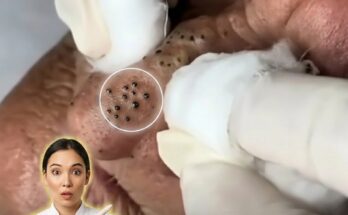
Open comedones, known as blackheads, develop when the clogged pore remains open at the skin’s surface. The dark appearance associated with blackheads is not caused by dirt but by oxidation. When the mixture of sebum and keratin inside the pore is exposed to oxygen in the air, chemical changes occur that darken the material near the surface. This oxidation process creates the characteristic black or dark brown tip that distinguishes open comedones from whiteheads. Blackheads are frequently seen on the nose, chin, and central areas of the face where oil production tends to be higher.
Several biological and environmental factors can influence whether a clogged pore develops into a closed or open comedone. Increased sebum production, often driven by hormonal fluctuations during adolescence or adulthood, can create a more oil-rich environment inside the follicle. At the same time, slowed skin cell turnover may allow dead cells to accumulate more easily within pores. Genetics, climate conditions, and the use of heavy or comedogenic skincare products may also contribute to the formation of these lesions. When pores remain clogged for extended periods, bacteria such as Cutibacterium acnes can multiply within the follicle and trigger inflammation, which may eventually lead to papules, pustules, or other inflamed acne lesions.
Skincare strategies that support regular cell turnover and keep pores clear are commonly used to manage both closed and open comedones. Ingredients such as salicylic acid are widely recommended because they are oil-soluble and able to penetrate into pores, where they may help dissolve excess sebum and loosen dead skin cell buildup. Topical retinoids are also frequently used in dermatology because they can normalize follicular keratinization and encourage more consistent skin cell renewal. By helping prevent the formation of micro-comedones, retinoids may reduce the likelihood of new whiteheads and blackheads forming over time.
Other supportive skincare ingredients may help improve overall pore function and skin balance. Niacinamide is often included in formulations designed for oily or acne-prone skin because it may help regulate sebum production and support the skin barrier. Gentle cleansing and avoiding overly occlusive products can also reduce the buildup of oil and debris that contributes to pore congestion. In some cases, dermatologists may recommend professional treatments such as chemical peels or prescription retinoids to address persistent comedonal acne.
Although closed and open comedones are considered mild forms of acne, they can still be persistent and may require consistent long-term management. Improvements often occur gradually as skin cell turnover normalizes and pores remain clearer over time. Individuals experiencing frequent or widespread breakouts may benefit from consulting a qualified dermatology professional, who can help determine appropriate treatments based on skin type, acne severity, and underlying contributing factors.