Video 1
Video 2
Video 3
Acne marks and acne scars are both common outcomes of inflammatory skin lesions, yet they arise from different biological processes within the skin and require different approaches to management. Understanding this distinction begins with how the skin responds to inflammation. When a pore becomes clogged with excess sebum, dead skin cells, and sometimes bacteria, it can trigger an inflammatory response. This process may damage surrounding tissue to varying degrees, influencing whether the skin heals with temporary discoloration or with permanent structural change.
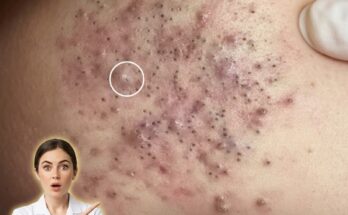
Acne marks, often referred to as post-inflammatory hyperpigmentation or post-inflammatory erythema, develop when inflammation stimulates melanocytes to produce excess pigment or causes dilation of superficial blood vessels. These marks appear as flat areas of discoloration that may be brown, tan, red, or purple depending on skin tone and vascular response. Importantly, the skin’s structure remains intact. Over time, as inflammation resolves and normal skin turnover continues, these marks typically fade gradually. Their persistence can be influenced by factors such as sun exposure, skin type, and how aggressively the acne lesions were treated or manipulated.
In contrast, acne scars result from deeper damage within the dermis during the healing process. When inflammation disrupts collagen production, the skin may either lose tissue, leading to atrophic scars such as ice pick, boxcar, or rolling scars, or produce excess collagen, resulting in raised hypertrophic or keloid scars. Unlike marks, scars involve a permanent alteration of the skin’s architecture. The severity of scarring is often linked to the depth and duration of inflammation, as well as genetic predisposition and delayed or inadequate treatment of active acne.
Several contributing factors influence whether acne leaves behind marks or scars. Prolonged inflammation, frequent picking or squeezing, and untreated moderate to severe acne increase the likelihood of scarring. Skin tone also plays a role, as individuals with higher melanin levels may be more prone to persistent pigmentation changes. Additionally, disruption of the skin barrier through harsh skincare practices or over-exfoliation can prolong healing and worsen both marks and scars.
Management strategies differ significantly between the two conditions. Acne marks often respond well to consistent use of topical ingredients that support skin turnover and reduce pigmentation. Retinoids may help normalize keratinization and promote cell renewal, while ingredients such as niacinamide can support barrier function and reduce inflammation. Chemical exfoliants like salicylic acid may assist in keeping pores clear and improving overall skin texture. Daily sun protection is particularly important, as ultraviolet exposure can deepen pigmentation and delay fading.
Acne scars, on the other hand, typically require more advanced interventions due to their structural nature. While topical treatments may improve overall skin quality, procedures such as laser resurfacing, microneedling, chemical peels, or subcision are often used in dermatological settings to stimulate collagen remodeling. The choice of treatment depends on scar type, skin type, and individual tolerance, and outcomes may vary.
It is important to maintain realistic expectations when addressing both acne marks and scars. Marks may take weeks to months to fade, while scars often require multiple treatment sessions for visible improvement rather than complete removal. Early and consistent acne management is one of the most effective ways to reduce the risk of both outcomes. Individuals experiencing persistent discoloration or textural changes may benefit from consulting a qualified dermatologist to determine the most appropriate and safe treatment plan.