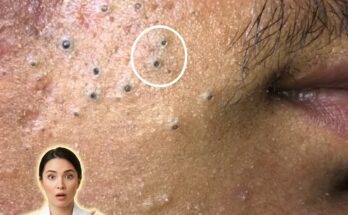
Video 1
Video 2
Video 3
Skincare products can contribute to breakouts when they interfere with the normal function of the hair follicle and skin barrier. Acne begins with a process known as follicular keratinization, where dead skin cells accumulate and mix with sebum inside the pore. When certain products introduce pore-clogging or irritating ingredients, they may worsen this buildup, leading to comedones such as blackheads and whiteheads. In some cases, inflammation follows, resulting in red, swollen acne lesions. Understanding which types of products may trigger this process is important for managing acne-prone skin effectively.
One of the most common contributors is the use of comedogenic ingredients. These substances may block pores by forming a film over the skin or by being too heavy for oily skin types. Ingredients such as certain plant oils, butters, and waxes can be beneficial for dry skin but may contribute to clogged pores in individuals prone to acne. Products with thick, occlusive textures, including heavy creams and some makeup formulations, can also trap oil and debris, especially in humid environments where sweat and sebum production are already elevated.
Another factor is irritation. Skincare products that contain high levels of alcohol, strong fragrances, or harsh exfoliants may disrupt the skin barrier. When the barrier is compromised, the skin can become more sensitive and reactive, which may increase inflammation and trigger breakouts. Overuse of active ingredients such as exfoliating acids or retinoids can also lead to irritation if not introduced gradually. This irritation can mimic or worsen acne, particularly in individuals who already have sensitive or compromised skin.
Cleansing habits and product types also play a role. Cleansers that are too harsh may strip the skin of its natural lipids, leading to compensatory overproduction of oil. On the other hand, inadequate cleansing or the use of residue-leaving products can allow buildup of sunscreen, makeup, and pollutants, all of which may contribute to clogged pores. Similarly, certain haircare products, especially those containing oils or silicones, can transfer onto the skin and contribute to breakouts along the hairline or forehead, a pattern sometimes referred to as pomade acne.
Layering too many products is another often overlooked cause. Combining multiple serums, creams, and treatments increases the likelihood of ingredient interactions and cumulative irritation. For example, using multiple exfoliating acids together or combining benzoyl peroxide with other strong actives without proper spacing may overwhelm the skin. This can impair barrier function and create conditions that favor acne development rather than improvement.
It is also important to recognize that not all breakouts caused by skincare products are immediate. Some products may lead to delayed congestion, where pores gradually become clogged over days or weeks. This can make it difficult to identify the trigger. Patch testing and introducing new products one at a time may help reduce this uncertainty and allow for better identification of problematic formulations.
In managing acne-prone skin, choosing non-comedogenic, fragrance-free, and appropriately formulated products is generally recommended. Lightweight, oil-free moisturizers and treatments containing ingredients such as salicylic acid, niacinamide, or retinoids may help address the underlying mechanisms of acne without contributing to further congestion. However, individual responses can vary, and what works well for one person may not be suitable for another.
Ultimately, skincare products can either support or disrupt the balance of acne-prone skin depending on their formulation and how they are used. Careful selection, gradual introduction of active ingredients, and attention to the skin’s response over time are essential. For persistent or worsening acne, consultation with a qualified dermatologist is advisable to ensure that both skincare and medical treatments are appropriately tailored.