Video 1
Video 2
Video 3
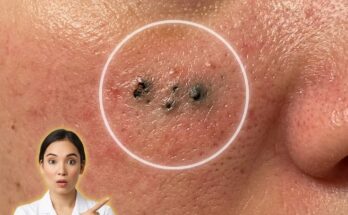
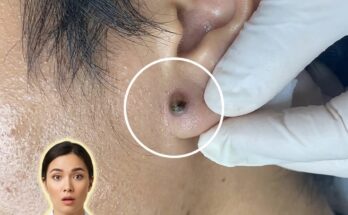
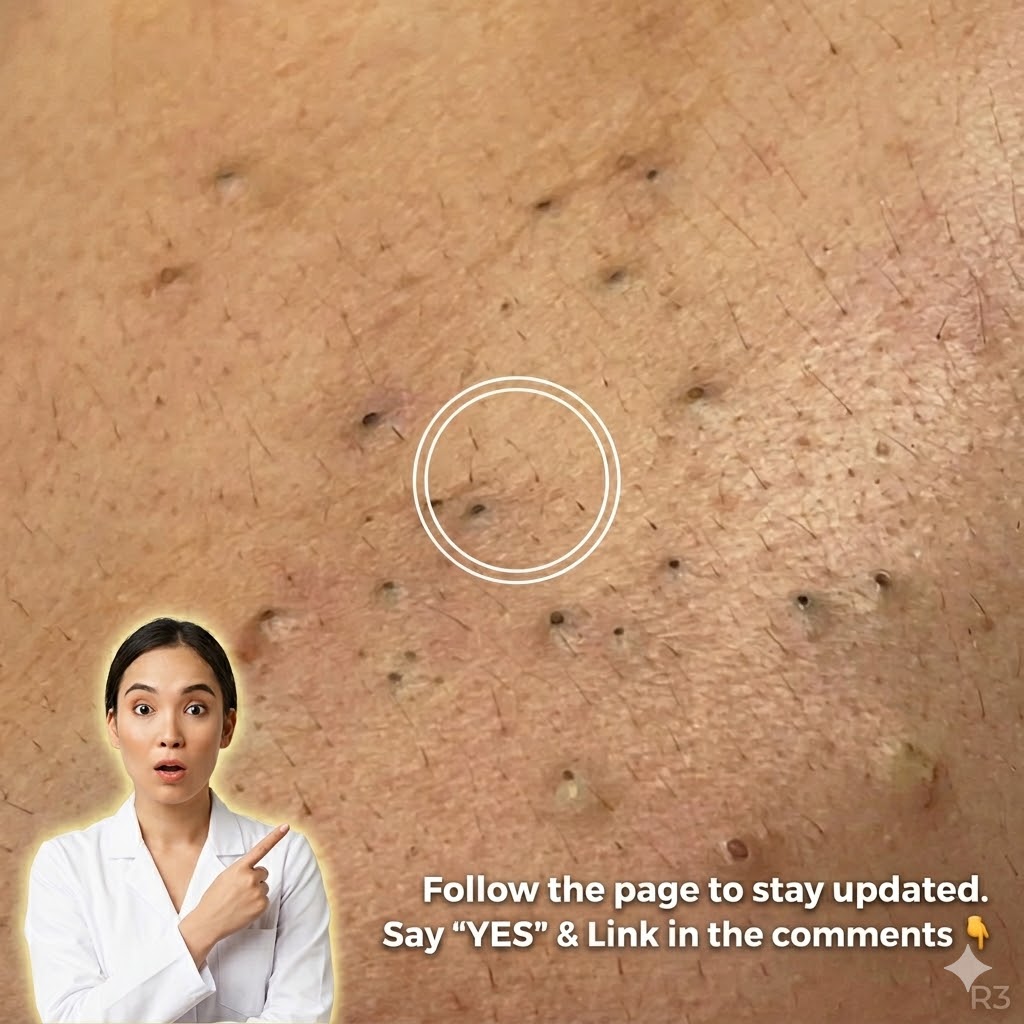
Skincare products that may cause breakouts often influence the fundamental processes involved in acne development, including sebum production, follicular keratinization, and the accumulation of dead skin cells within pores. When certain formulations disrupt the balance of the skin barrier or introduce pore-clogging substances, they can contribute to the formation of comedones such as blackheads and whiteheads. These blockages may then create an environment where inflammation develops, especially in individuals with oily or acne-prone skin.
One of the most common contributing factors is the presence of comedogenic ingredients, which are substances that may increase the likelihood of clogged pores. Heavy occlusive agents, certain oils, and waxes can trap dead skin cells and sebum inside the follicle. While not all oils are problematic, formulations that are too rich or not well-suited to a person’s skin type may increase congestion. This is particularly relevant for individuals with naturally higher sebum production, where excess oil already plays a role in acne formation.
Another important factor is the use of overly harsh or stripping products. Cleansers or treatments that aggressively remove oil can disrupt the skin barrier, leading to dryness and irritation. In response, the skin may produce more sebum to compensate, which can contribute to clogged pores over time. Similarly, frequent use of strong exfoliants without proper hydration may impair barrier function and increase inflammation, both of which are linked to acne development.
Certain cosmetic and skincare formulations, including some foundations, sunscreens, and moisturizers, may also contribute to breakouts depending on their composition. Products that are not labeled as non-comedogenic or that contain thick, pore-occluding textures may sit heavily on the skin surface. In humid environments or when layered excessively, these products can mix with sweat and sebum, increasing the likelihood of congestion. Additionally, fragranced or alcohol-heavy formulations may irritate sensitive skin, indirectly worsening acne through inflammation.
Haircare products are another often overlooked source of breakouts, particularly along the hairline, forehead, and upper back. Ingredients such as silicones, oils, and styling agents can transfer onto the skin and contribute to clogged pores. This pattern is sometimes referred to as pomade acne and may be mistaken for traditional acne when the underlying cause is external product exposure.
To reduce the likelihood of product-related breakouts, skincare approaches often focus on maintaining a balanced routine that supports the skin barrier while minimizing pore congestion. Ingredients such as salicylic acid are commonly used because they can penetrate into the pore and help dissolve excess oil and debris. Retinoids are also frequently recommended, as they help normalize follicular keratinization and reduce the formation of comedones over time. Lightweight, non-comedogenic moisturizers and sunscreens may support hydration without contributing to pore blockage, while niacinamide is often included for its role in regulating oil production and supporting barrier function.
It is important to recognize that individual responses to skincare products can vary significantly. An ingredient that causes breakouts in one person may be well tolerated by another. Patch testing new products and introducing them gradually may help identify potential triggers. In cases of persistent or worsening acne, consultation with a qualified dermatology professional is often recommended to determine whether specific products or underlying factors are contributing to the condition.