Video 1
Video 2
Video 3
Video 4
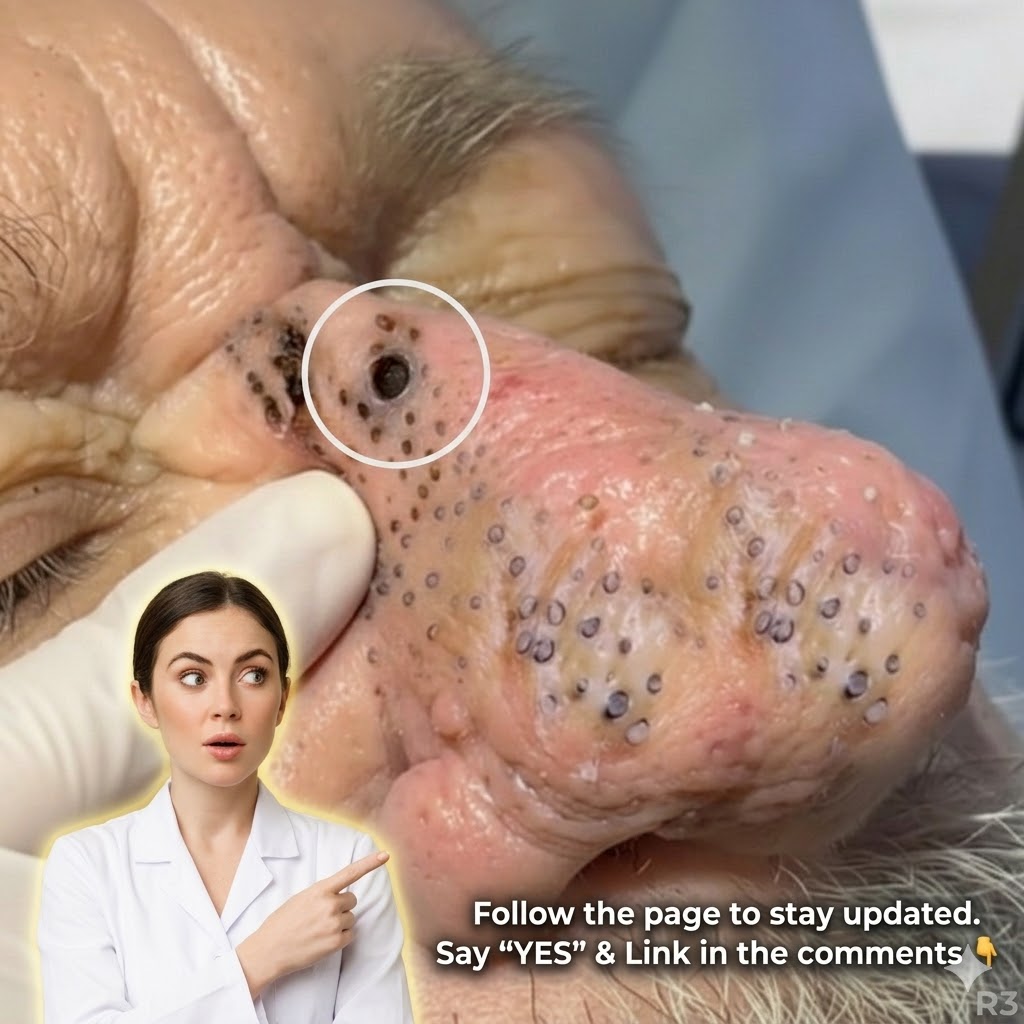
Blackheads, also known as open comedones, develop through a complex biological process involving sebum production, keratinocyte behavior, and oxidative reactions within the pore environment. The skin naturally produces sebum through sebaceous glands to maintain hydration and barrier function. However, when excess sebum combines with dead skin cells inside hair follicles, it forms a compact plug that partially blocks the pore. Unlike whiteheads, which remain closed, blackheads are exposed to air, allowing the contents of the clogged pore to undergo oxidation. This oxidation process alters the color and composition of the material inside the pore, turning it dark and contributing to the characteristic appearance of blackheads.
Sebum itself contains lipids such as squalene, which is highly susceptible to oxidation when exposed to environmental factors like oxygen, UV radiation, and pollution. Once oxidized, these lipids can become more comedogenic, meaning they are more likely to clog pores and trigger inflammation. This process not only contributes to blackhead formation but may also promote the progression of acne by creating an environment that supports bacterial growth and irritation. Individuals with oily skin are particularly prone to this cycle, as increased sebum production raises the likelihood of pore congestion and oxidative changes.
Several contributing factors influence the development of oxidized sebum and clogged pores. Hormonal fluctuations can stimulate sebaceous glands, leading to excess oil production. Environmental exposure, especially in urban settings, introduces particulate matter that can settle on the skin and accelerate oxidation. Inadequate cleansing or improper skincare routines may allow buildup of debris, while over-cleansing can disrupt the skin barrier and paradoxically increase oil production. Diet and lifestyle factors, including high glycemic intake and chronic stress, may also play a role by influencing inflammation and sebum regulation.
Managing blackheads effectively requires targeting both the buildup within pores and the oxidative processes that worsen them. Ingredients such as salicylic acid are commonly used because they penetrate into pores and help dissolve the mixture of sebum and dead skin cells. Antioxidants may help reduce oxidative stress on the skin, potentially limiting the transformation of sebum into more comedogenic forms. Retinoids are often discussed in long-term acne management because they regulate cell turnover and reduce the likelihood of clogged pores forming in the first place. Consistent use of non-comedogenic moisturizers can also support the skin barrier and help balance oil production.
For persistent or severe cases, dermatological treatments may be considered. Professional extraction can physically remove blackheads, while chemical peels and laser-based therapies may help improve skin texture and reduce pore congestion over time. These approaches are typically combined with ongoing topical treatments to maintain results and prevent recurrence.
It is important to recognize that blackhead formation is an ongoing biological process rather than a one-time issue. Even with effective treatment, pores can become clogged again if underlying factors such as excess sebum production or environmental exposure are not addressed. Gentle, consistent skincare is generally more effective than aggressive or frequent interventions, which may irritate the skin and worsen acne. Understanding the role of sebum oxidation provides a clearer framework for managing blackheads and supports a more targeted, evidence-based approach to long-term skin health.