Video 1
Video 2
Video 3
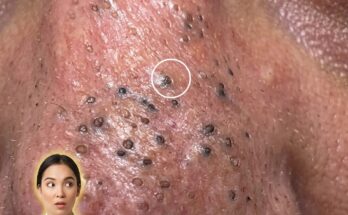
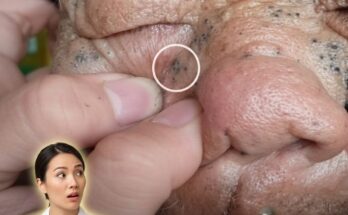
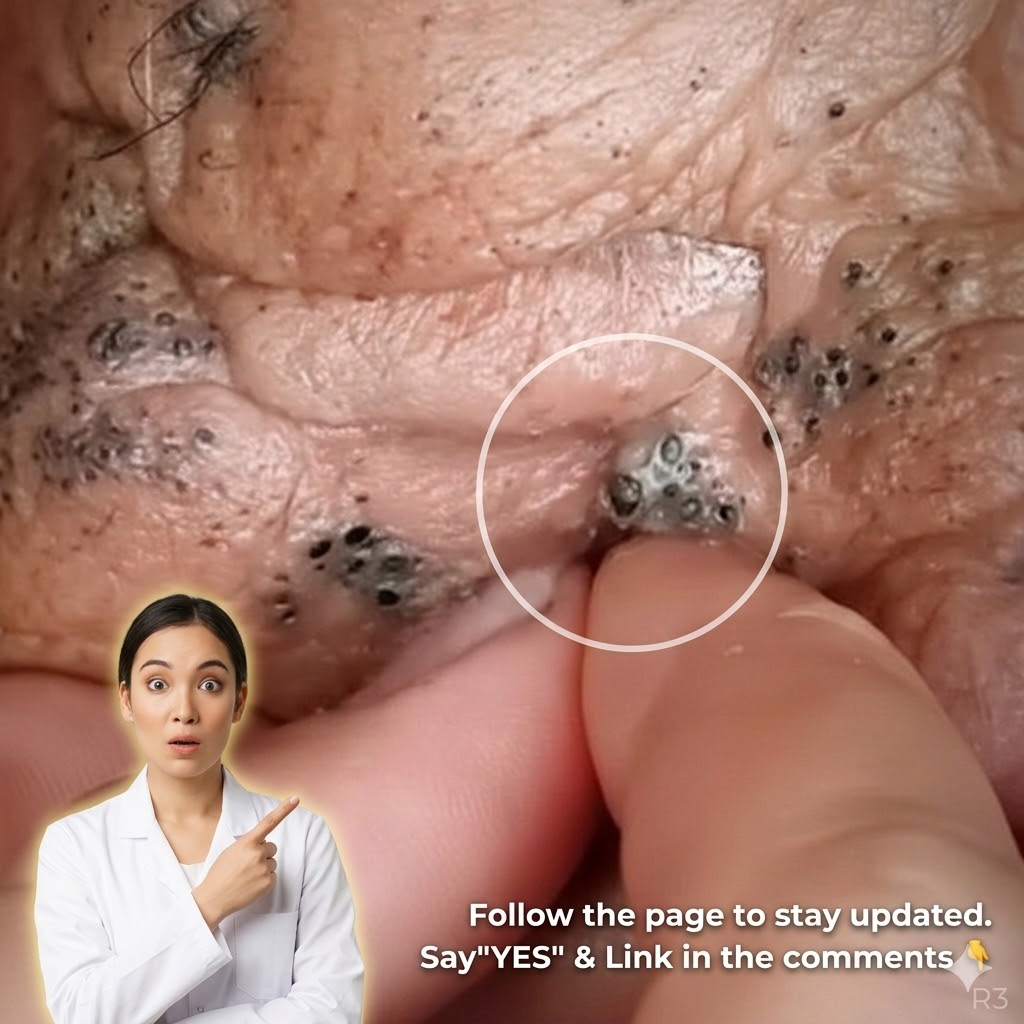
Blackheads, also known as open comedones, develop through a specific biological process involving sebum production, follicular keratinization, and exposure to air. Within the pore, sebaceous glands produce sebum, an oily substance intended to lubricate and protect the skin. At the same time, keratinocytes within the follicle undergo normal shedding. When this shedding process becomes irregular, dead skin cells accumulate and mix with sebum, forming a plug inside the pore. Unlike closed comedones, the surface of this plug remains open, allowing exposure to oxygen. This exposure leads to oxidation of lipids and melanin within the plug, giving blackheads their characteristic dark appearance rather than indicating the presence of dirt.
Several contributing factors can increase the likelihood of blackhead formation. Hormonal fluctuations, particularly those involving androgens, can stimulate excess sebum production, creating an environment where pores are more likely to become clogged. Individuals with naturally oily skin may experience a higher frequency of blackheads due to increased lipid content within the follicles. Environmental factors such as humidity and pollution may also contribute by promoting oxidative stress and affecting the composition of sebum. In addition, skincare habits play a significant role. Inadequate cleansing, heavy or comedogenic products, and improper exfoliation can all contribute to the buildup of material within pores. Over-cleansing, however, may disrupt the skin barrier and paradoxically increase oil production, which can further exacerbate clogged pores.
Evidence-based treatment approaches for blackheads focus on preventing the formation of follicular plugs and promoting their gradual removal. Ingredients such as salicylic acid are commonly used because of their ability to penetrate into the pore and dissolve excess sebum and debris. Retinoids are often recommended in long-term acne management as they help normalize keratinocyte turnover, reducing the likelihood of clogged pores forming in the first place. Niacinamide may support the skin barrier while helping to regulate oil production and reduce inflammation. Gentle, consistent cleansing is typically advised to remove surface oil and environmental debris without disrupting the skin’s natural barrier function.
In cases where over-the-counter treatments are insufficient, dermatological options may be considered. Professional extractions can remove existing blackheads safely when performed correctly, minimizing the risk of skin damage. Chemical peels using agents such as alpha hydroxy acids or beta hydroxy acids may help improve overall skin texture and reduce comedonal buildup over time. For persistent or widespread comedonal acne, prescription-strength retinoids or combination therapies may be recommended under the guidance of a qualified professional.
It is important to maintain realistic expectations when managing blackheads. While many treatments may help reduce their appearance and frequency, results typically require consistent use over time rather than immediate changes. Overuse of exfoliating products or aggressive extraction attempts can damage the skin barrier and lead to increased irritation or even more breakouts. A balanced approach that supports both pore clarity and overall skin health is generally considered the most effective strategy. Individuals experiencing persistent or severe acne may benefit from consulting a dermatologist to develop a tailored treatment plan that addresses their specific skin needs.