The human body is a marvel of nature, a complex system of interrelated parts that work together in perfect harmony.
Among these systems, the integumentary system stands out as a protective shield, encasing our bodies and playing a vital role in our overall health and well-being.
Studying this remarkable system can deepen our understanding of ourselves and encourage us to care for our skin, hair, and nails in a more meaningful way.
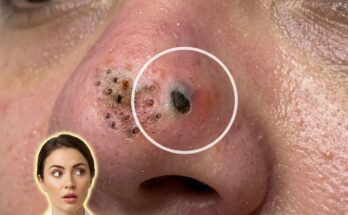
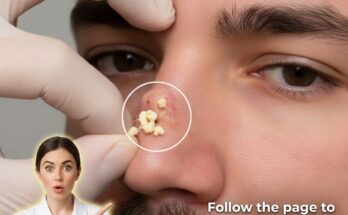
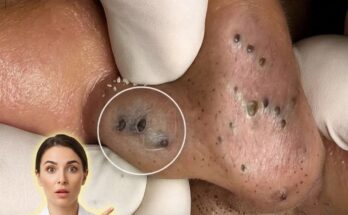
Salicylic acid is a beta hydroxy acid widely used in acne treatment because of its ability to penetrate oil-filled pores and help dissolve the mixture of sebum and dead skin cells that contributes to comedone formation. Acne commonly begins with a process called follicular hyperkeratinization, where skin cells inside the pore do not shed normally. These cells combine with excess sebum produced by sebaceous glands, creating microcomedones that can later develop into blackheads, whiteheads, or inflammatory lesions. Because salicylic acid is oil-soluble, it can move through the lipid-rich environment of the pore and assist in loosening these compacted materials, making it a common ingredient in products designed for oily or acne-prone skin. Salicylic acid cleansers and leave-on treatments both rely on this same biological mechanism, but they differ in how long the ingredient remains in contact with the skin. Cleansers containing salicylic acid are designed to be rinsed off after a short period of application, typically during routine face washing. Even with brief exposure, these formulations may help remove excess oil from the skin surface and can provide mild exfoliation within the pore opening. For individuals with oily skin or frequent congestion in the T-zone, salicylic acid cleansers are often used as a daily maintenance step to reduce surface oil and support clearer pores without leaving active ingredients on the skin for extended periods.
Leave-on treatments, such as serums, toners, or spot treatments containing salicylic acid, remain on the skin for much longer. This extended contact time allows the ingredient to continue penetrating into the follicular lining and may provide more sustained exfoliation within the pore. Because clogged pores are formed through the gradual buildup of keratin and sebum, longer exposure to salicylic acid can sometimes enhance its comedolytic effects. Leave-on formulations are therefore commonly used in individuals experiencing persistent blackheads, whiteheads, or mild inflammatory acne.
Skin tolerance and barrier health are important considerations when choosing between these formats. Although salicylic acid is generally well tolerated at typical over-the-counter concentrations, leave-on treatments may increase the likelihood of dryness, irritation, or mild peeling, particularly when combined with other active ingredients such as retinoids, benzoyl peroxide, or exfoliating acids. Cleansers may be preferred for individuals with sensitive skin because the ingredient is rinsed away relatively quickly, reducing the chance of irritation while still providing some pore-clearing benefits.
Environmental factors, hormonal influences, and personal skincare habits can also affect how well these treatments perform. Increased sebum production during hormonal fluctuations can lead to more frequent pore congestion, which may make leave-on salicylic acid treatments more helpful for some individuals. In contrast, those with mild oiliness or occasional blackheads may find that a salicylic acid cleanser used consistently is sufficient for maintaining clearer skin.
Dermatologists often view these products as part of a broader acne management strategy rather than a standalone solution. Salicylic acid may help keep pores clearer and reduce the formation of new comedones, but moderate to severe acne may require additional treatments such as topical retinoids, benzoyl peroxide, or prescription medications. These therapies target different aspects of acne development, including bacterial activity, inflammation, and abnormal skin cell turnover.
When incorporated gradually and used alongside gentle cleansing, moisturization, and sunscreen, both salicylic acid cleansers and leave-on treatments can contribute to improved pore clarity over time. Results usually develop gradually as the skin cycle progresses, and individuals experiencing persistent or severe breakouts are generally advised to consult a qualified healthcare professional for personalized treatment guidance.