Video 1
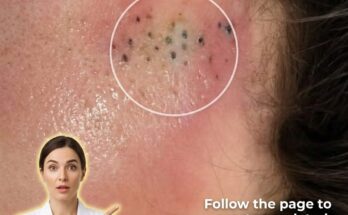
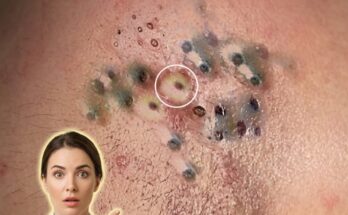
Acne develops through a combination of increased sebum production, abnormal shedding of skin cells within the follicle, bacterial activity, and inflammation. When excess oil and keratinized cells accumulate inside the pore, they form comedones such as blackheads and whiteheads. Inflammatory acne occurs when these clogged pores become colonized by bacteria such as Cutibacterium acnes, triggering an immune response that leads to redness, swelling, and sometimes deeper nodules or cysts. Professional treatments for acne are designed to target one or more of these underlying mechanisms with greater precision and strength than over-the-counter options.
Several internal and external factors can influence the severity and persistence of acne, which often determines whether professional intervention is needed. Hormonal fluctuations, particularly androgens, can increase sebum production and contribute to ongoing breakouts. Genetic predisposition may affect how easily pores become clogged or inflamed. Skincare habits, including the use of comedogenic products or over-exfoliation, can disrupt the skin barrier and worsen irritation. Environmental factors such as humidity and pollution may also play a role by increasing oiliness or contributing to oxidative stress within the skin.
Professional treatments typically build upon foundational skincare approaches such as gentle cleansing, consistent use of non-comedogenic moisturizers, and targeted ingredients like salicylic acid, benzoyl peroxide, retinoids, and niacinamide. When these measures are insufficient, dermatology-based procedures and prescription therapies may be introduced. Topical prescription retinoids are commonly used to normalize follicular keratinization and prevent clogged pores, while oral or topical antibiotics may be recommended in certain cases to reduce bacterial overgrowth and inflammation. Hormonal therapies, such as oral contraceptives or anti-androgen medications, may be considered for individuals with hormonally driven acne.
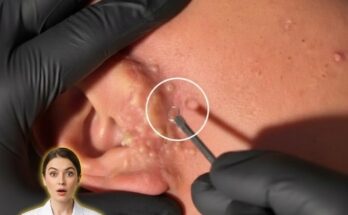
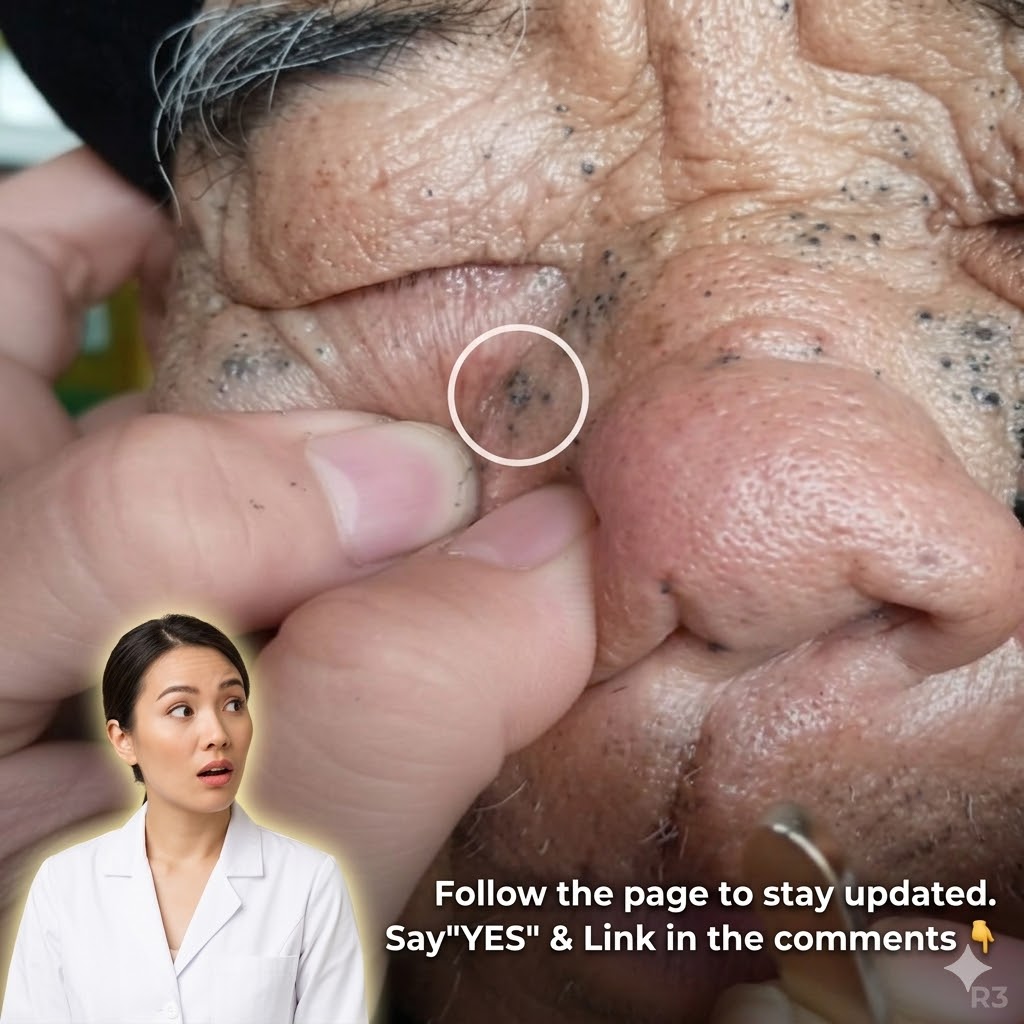
In-clinic procedures can also support acne management by directly addressing clogged pores and inflammation. Chemical peels using alpha hydroxy acids or beta hydroxy acids help exfoliate the skin and improve comedonal acne by promoting cell turnover. Professional extractions may be performed to safely remove blackheads and whiteheads without causing additional trauma to the skin. Light and laser therapies are sometimes used to reduce bacterial activity and inflammation, although their effectiveness can vary depending on the individual and the type of acne being treated. In more severe or resistant cases, oral isotretinoin may be prescribed under strict medical supervision due to its significant impact on sebum production and long-term acne control.
While professional treatments can significantly improve acne, results are typically gradual and require consistency over time. It is important to understand that skin may initially experience dryness, irritation, or purging when starting stronger therapies, particularly retinoids or chemical exfoliants. Ongoing maintenance with appropriate skincare and sun protection is essential to support the skin barrier and prevent recurrence. Consulting a qualified dermatologist allows for a personalized treatment plan that considers skin type, acne severity, and underlying causes, helping to balance effectiveness with safety.