Video 1
Video 2
Video 3
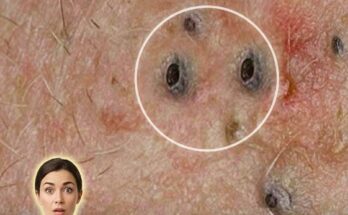
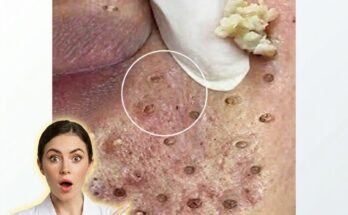
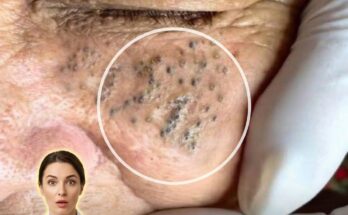
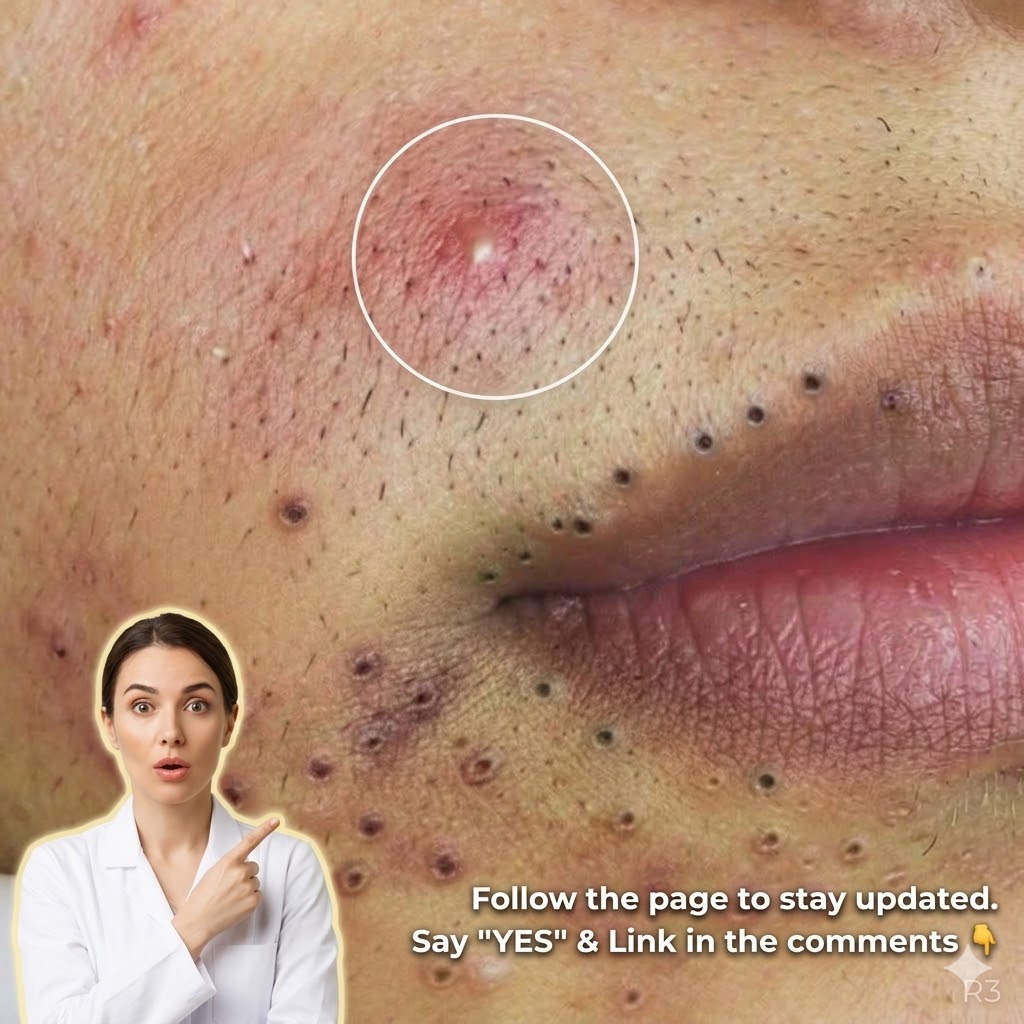
Pore strips are adhesive patches designed to remove debris from the surface of the skin, particularly in areas such as the nose where blackheads are common. To understand how they work, it is important to consider the biology of pores and comedones. Blackheads, also known as open comedones, form when excess sebum and dead skin cells accumulate within the hair follicle. The material inside the pore oxidizes when exposed to air, giving it a dark appearance. Pore strips adhere to this ზედ layer of oxidized debris and, when removed, can extract some of the contents from the upper portion of the pore.
While pore strips can create a visible and immediate effect, their action is limited to the superficial portion of the clog. They do not address the underlying processes that lead to blackhead formation, such as increased sebum production, abnormal shedding of skin cells within the follicle, or ongoing follicular keratinization. As a result, pores often refill relatively quickly after use, especially in individuals with oily skin or persistent acne-prone conditions.
Several contributing factors influence how effective pore strips may appear. Individuals with larger pores or more visible blackheads may notice more dramatic short-term results. However, environmental factors such as humidity, skincare habits, and the use of occlusive products can contribute to recurrent clogging. In addition, frequent use of pore strips may disrupt the skin barrier, particularly if the adhesive is strong or if the strips are removed aggressively. This can lead to irritation, increased sensitivity, and in some cases a rebound increase in oil production.
From a treatment perspective, pore strips are generally considered a temporary cosmetic tool rather than a long-term solution for blackheads or clogged pores. Ingredients that target the underlying causes of comedone formation are often recommended for more sustained improvement. Salicylic acid, a beta hydroxy acid, is commonly used because it is oil-soluble and can penetrate into the pore to help dissolve excess sebum and loosen dead skin cells. Topical retinoids may help normalize skin cell turnover and reduce the formation of new comedones over time. Niacinamide is also frequently included in skincare routines to support the skin barrier and help regulate oil production.
Gentle cleansing and consistent skincare habits play a significant role in maintaining clearer pores. Over-cleansing or using harsh products can disrupt the skin barrier and may worsen oiliness and breakouts. In some cases, professional treatments such as chemical peels or manual extractions performed by trained dermatology professionals may be considered, particularly for persistent or widespread comedonal acne.
Realistic expectations are important when using pore strips. They may temporarily improve the appearance of blackheads by removing surface debris, but they do not prevent new clogs from forming. For individuals seeking long-term improvement in pore appearance and acne control, a consistent routine focused on evidence-based ingredients and skin barrier support is generally more effective. Those with persistent or severe acne may benefit from consulting a qualified dermatologist to develop a personalized treatment approach.