Video 1
Video 2
Video 3
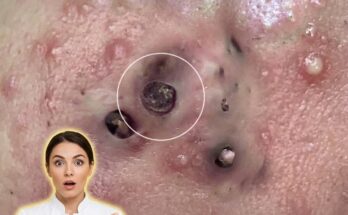
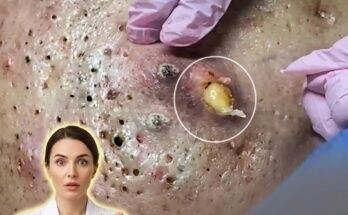
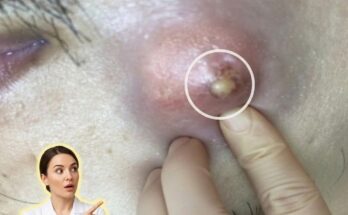
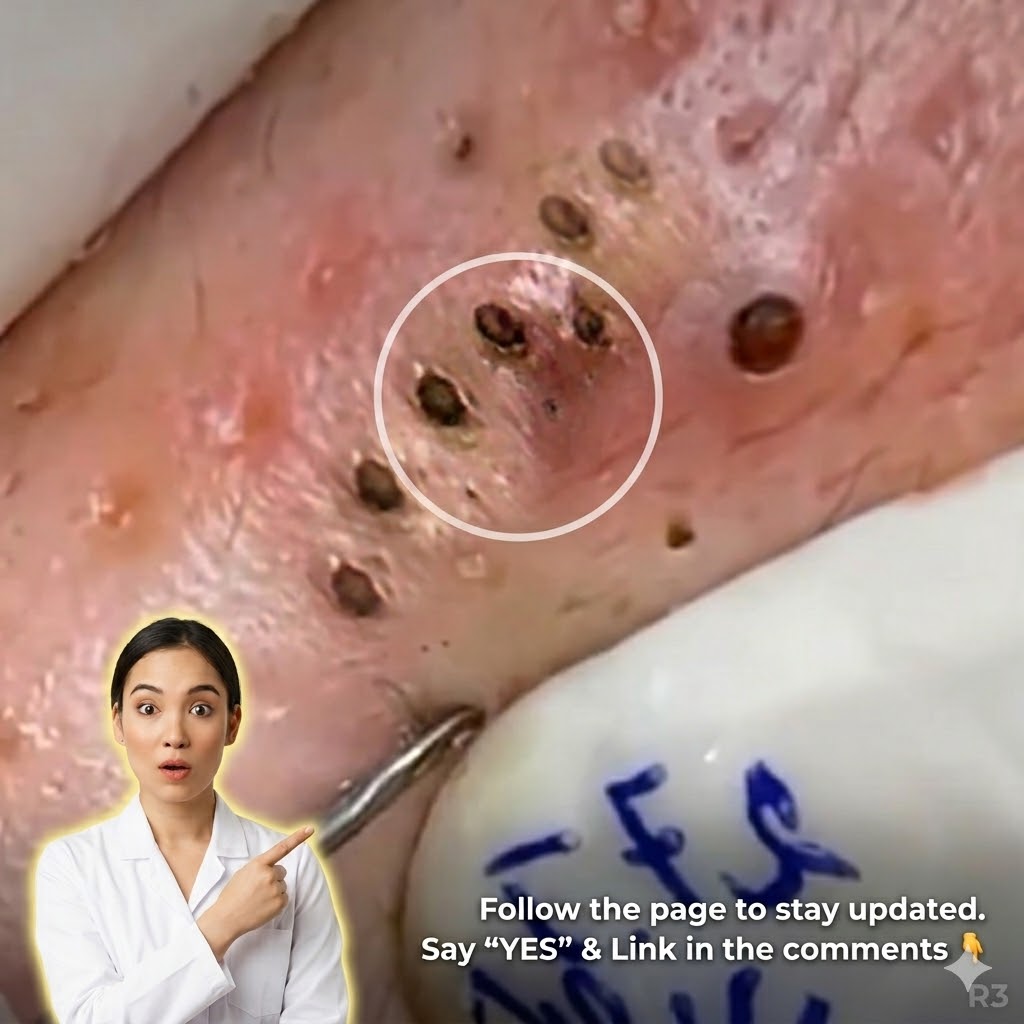
Hormonal acne develops when fluctuations in hormones, particularly androgens such as testosterone, stimulate the sebaceous glands to produce excess sebum. This increase in oil can combine with dead skin cells inside the follicle, leading to clogged pores and the formation of comedones such as blackheads and whiteheads. As the pore becomes obstructed, it creates an environment where acne-causing bacteria can thrive, contributing to inflammation and the development of deeper, often painful lesions commonly seen along the jawline, chin, and lower face.
These hormonal fluctuations are often associated with life stages such as puberty, menstrual cycles, pregnancy, or conditions like polycystic ovary syndrome. However, external factors can also influence hormonal acne severity. Chronic stress may increase cortisol levels, which can indirectly stimulate oil production. Skincare habits also play a role, as using overly harsh or drying products can disrupt the skin barrier, leading to increased irritation and potentially triggering more breakouts. Genetics may further influence how sensitive the skin is to hormonal changes, explaining why some individuals experience persistent acne into adulthood while others do not.
Effective treatment of hormonal acne typically involves a combination of approaches that target multiple stages of acne formation. Topical retinoids are commonly recommended because they help normalize follicular keratinization, preventing the buildup of dead skin cells that contribute to clogged pores. Salicylic acid, a beta hydroxy acid, can penetrate into the pores to dissolve excess oil and debris, making it particularly useful for blackheads and congested skin. Benzoyl peroxide is often used to reduce acne-causing bacteria and may help decrease inflammation when used appropriately.
Supporting the skin barrier is also an important aspect of treatment. Lightweight, non-comedogenic moisturizers can help maintain hydration without contributing to pore blockage. Ingredients such as niacinamide may help regulate oil production and reduce redness, making them suitable for acne-prone skin. Gentle cleansing practices are generally preferred, as over-cleansing or using abrasive exfoliants can worsen irritation and disrupt the balance of the skin.
In cases where over-the-counter treatments are not sufficient, dermatological interventions may be considered. Prescription-strength retinoids, oral medications that influence hormonal activity, or other targeted therapies are often used for persistent or moderate to severe hormonal acne. These treatments are typically tailored to the individual, taking into account the underlying hormonal patterns and skin sensitivity.
It is important to recognize that hormonal acne often requires consistent, long-term management rather than quick solutions. Improvements may take several weeks to become noticeable, as the skin undergoes its natural renewal cycle. Sudden changes in skincare routines or combining too many active ingredients at once can increase the risk of irritation without improving results. Consulting a qualified healthcare professional is advisable when acne is persistent, worsening, or affecting quality of life, as personalized guidance can help optimize treatment while minimizing potential side effects.