Video 1
Video 2
Video 3
The skin barrier, primarily located in the outermost layer of the epidermis known as the stratum corneum, plays a central role in maintaining skin hydration and protecting against external irritants and microorganisms. It is composed of corneocytes embedded in a lipid matrix made up of ceramides, cholesterol, and fatty acids. When this barrier is intact, it regulates water loss and limits the penetration of potentially harmful substances. However, when the barrier becomes compromised, its ability to perform these functions declines, creating conditions that may contribute to acne development.
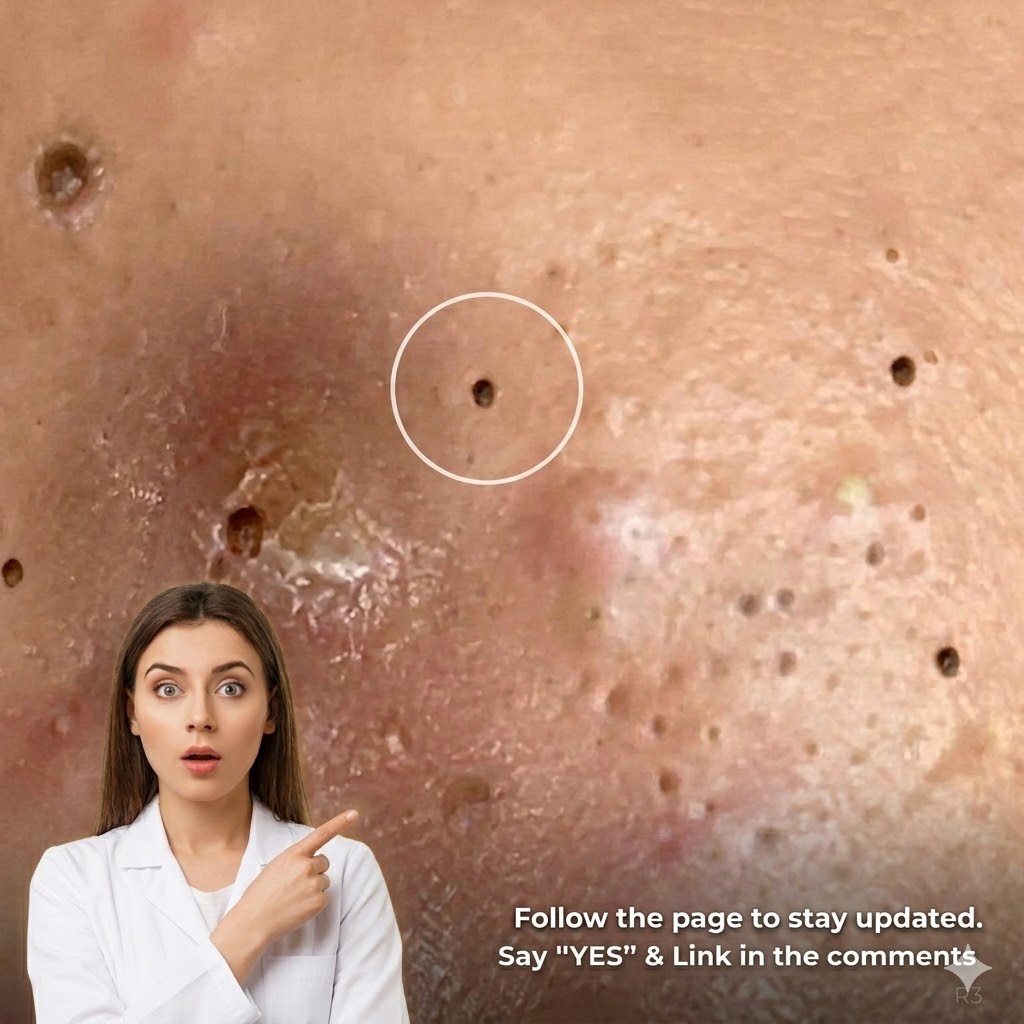
Barrier damage often leads to increased transepidermal water loss, resulting in dehydration of the skin. In response, the skin may compensate by increasing sebum production in an attempt to restore balance. Excess sebum can mix with dead skin cells inside the pore, contributing to follicular keratinization and the formation of clogged pores. These blockages are the foundation for comedones, including blackheads and whiteheads, which can further progress into inflammatory acne lesions when bacteria proliferate within the follicle.
A weakened barrier also allows irritants, pollutants, and acne-causing bacteria to penetrate more easily into the skin. This can trigger an inflammatory response, which is a key component in the development of acne. Inflammation not only worsens existing breakouts but may also impair the skin’s natural healing process, increasing the likelihood of post-acne marks. Additionally, disruption of the skin microbiome, which normally helps regulate bacterial balance, may further promote the overgrowth of acne-associated bacteria.
Several factors can contribute to skin barrier damage. Overuse of harsh skincare products, including strong exfoliants or high concentrations of active ingredients such as retinoids or benzoyl peroxide, can strip the skin of its protective lipids. Environmental stressors such as UV radiation, pollution, and low humidity may also weaken barrier integrity. Genetic predisposition and hormonal fluctuations can influence both barrier resilience and sebum production, making some individuals more prone to this cycle of damage and acne formation.
Addressing barrier damage is an important part of managing acne-prone skin. Gentle skincare practices are often recommended, including the use of mild cleansers and avoidance of over-exfoliation. Ingredients that support barrier repair, such as ceramides, niacinamide, and fatty acids, may help restore the lipid matrix and improve skin resilience. At the same time, acne-targeting ingredients like salicylic acid can be used carefully to help unclog pores, while benzoyl peroxide may reduce acne-causing bacteria when tolerated. Balancing treatment with barrier support is essential to avoid further irritation.
For individuals with persistent or moderate to severe acne, dermatological treatments may be considered. Prescription retinoids can help normalize cell turnover, while oral or topical medications may be used to control inflammation and bacterial growth. However, even with medical treatments, maintaining barrier health remains important to minimize irritation and improve overall outcomes.
It is important to recognize that repairing the skin barrier and improving acne is a gradual process. Results may take several weeks to become noticeable, and overcorrection with aggressive products can delay progress. A consistent, balanced approach that supports both barrier function and acne control is often the most sustainable strategy. Consulting a qualified skincare professional or dermatologist may be beneficial for personalized guidance, particularly when acne is persistent or worsening.