Balancing work and health is something many people aim for, yet it can feel difficult when daily schedules change, responsibilities grow, and unexpected tasks appear.
A common mistake is trying to follow a rigid routine that works only under perfect conditions.
Life rarely offers perfect conditions.
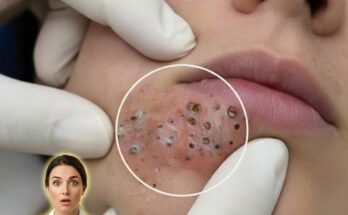
Blackheads are a form of comedonal acne that develop when hair follicles become clogged with a mixture of sebum and dead skin cells. One important biochemical process involved in their formation is sebum oxidation. Sebum is an oily substance produced by sebaceous glands to lubricate and protect the skin. When excess sebum accumulates inside a pore along with keratinized skin cells, the follicle becomes obstructed. In open comedones, commonly known as blackheads, the top of the clogged pore remains exposed to air. This exposure allows components of sebum to undergo oxidation, which contributes to the characteristic dark color seen on the surface of the lesion.
Sebum is composed of several lipids, including triglycerides, wax esters, squalene, and free fatty acids. Among these components, squalene is particularly prone to oxidative changes when exposed to oxygen and environmental factors such as ultraviolet radiation and pollution. As squalene oxidizes, it forms byproducts known as squalene peroxides. These oxidized lipids can irritate the follicular lining and may influence the behavior of skin cells inside the pore. Research suggests that oxidized sebum can promote abnormal keratinization, meaning that skin cells within the follicle may accumulate more quickly and adhere together more tightly. This process contributes to the formation and persistence of clogged pores that later appear as blackheads.
The dark appearance of blackheads is often misunderstood. Many people assume the color comes from trapped dirt, but in reality the black surface results primarily from oxidized lipids and melanin within the plug. When the pore opening remains dilated and the contents are exposed to air, chemical reactions gradually darken the material inside the follicle. This is why blackheads tend to appear darker than whiteheads, which are closed comedones that remain sealed beneath the skin surface and are not exposed to oxygen.
Several biological and environmental factors can increase the likelihood of sebum oxidation and blackhead formation. Individuals with oily skin naturally produce more sebum, providing greater amounts of lipid material within the follicle. Hormonal fluctuations, particularly increases in androgens, may stimulate sebaceous glands to produce additional oil. Environmental stressors such as ultraviolet radiation, air pollution, and cigarette smoke can also accelerate oxidative processes on the skin. In addition, certain skincare habits, including the use of heavy or occlusive products, may contribute to pore congestion that allows oxidized sebum to accumulate more easily.
The balance of the skin microbiome may also influence how sebum behaves within the follicle. The bacterium Cutibacterium acnes normally lives on the skin and interacts with sebum as part of the natural ecosystem. Under certain conditions, enzymatic activity from these bacteria can break down triglycerides into free fatty acids, which may contribute to irritation and further oxidative stress inside the pore. While blackheads themselves are typically considered non-inflammatory lesions, these processes can create an environment that increases the risk of additional acne development.
Skincare strategies that support normal pore function often focus on reducing excess sebum, improving cell turnover, and limiting oxidative stress. Ingredients such as salicylic acid are commonly used because they are oil-soluble and able to penetrate into pores where they help dissolve accumulated sebum and dead skin cells. Topical retinoids are frequently recommended in dermatology because they help normalize follicular keratinization and support more regular shedding of skin cells inside the pore. By reducing the buildup of keratinized cells, retinoids may help prevent the formation of new comedones.
Other ingredients may support skin balance and reduce factors that contribute to sebum oxidation. Niacinamide is often included in skincare formulations because it may help regulate oil production and support the skin barrier. Antioxidant ingredients such as vitamin C, vitamin E, and green tea extracts are sometimes used to help neutralize free radicals on the skin surface, which may reduce oxidative stress affecting sebum lipids. Gentle cleansing routines and non-comedogenic moisturizers are also commonly recommended to maintain hydration without contributing to pore congestion.
For individuals with persistent or widespread blackheads, dermatology treatments may be considered. Dermatologists sometimes prescribe stronger retinoids, perform professional extractions, or recommend chemical exfoliation procedures that target comedonal acne. These treatments aim to reduce the buildup of oxidized sebum and keratin within follicles while improving overall skin turnover.
Although blackheads are common and often manageable, they tend to recur because the biological processes that produce sebum and regulate skin cell turnover are ongoing. Consistent skincare routines and gradual treatment approaches are usually necessary to maintain clearer pores over time. Individuals experiencing persistent acne or significant skin irritation should seek guidance from a qualified dermatologist to determine the most appropriate treatment plan for their skin type and condition.