How Salicylic Acid Helps Clear Clogged Pores
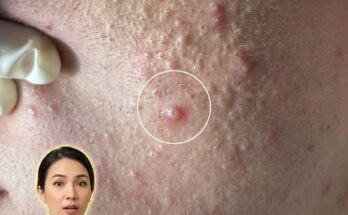
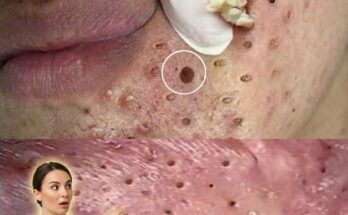
Clogged pores are one of the earliest biological steps in the development of acne.
This process begins when excess sebum produced by sebaceous glands mixes with dead skin cells inside the hair follicle.
Normally, skin cells shed gradually and move out of the pore opening, but when this process becomes disrupted, a plug can form within the follicle. This blockage is known as a comedone and may appear as a blackhead or whitehead depending on whether the pore remains open or closed. One skincare ingredient commonly used to address this early stage of acne formation is salicylic acid, a beta hydroxy acid that is well known for its ability to penetrate oil-rich environments within the skin.
Salicylic acid is oil-soluble, which allows it to move into the pore lining rather than remaining only on the skin’s surface. Once inside the follicle, it helps loosen the bonds that hold dead skin cells together. This exfoliating action can help reduce the buildup of keratinized cells that contribute to clogged pores. By supporting more regular shedding of skin cells, salicylic acid may help keep pores clearer and reduce the formation of comedones. Because clogged follicles often precede inflammatory acne lesions, maintaining clear pores is an important part of many acne management strategies.
Sebum production also plays a central role in pore congestion, particularly in individuals with oily or acne-prone skin. Hormonal signals, especially androgens, can stimulate sebaceous glands to produce more oil. When excess sebum combines with dead skin cells and environmental debris, the likelihood of pore blockage increases. Salicylic acid may help manage this environment in two ways. In addition to exfoliating inside the pore, it has mild anti-inflammatory properties that may help calm early irritation within the follicle. This combination of pore-clearing and soothing effects is one reason it is frequently used in products targeting blackheads and whiteheads.
Skincare habits and environmental factors can also influence how easily pores become clogged. Heavy or highly occlusive cosmetic products may contribute to buildup within follicles, while inadequate cleansing can allow oil, sweat, and debris to accumulate on the skin’s surface. Salicylic acid is often included in cleansers, toners, and leave-on treatments designed for oily skin because it may assist in removing excess surface oil while simultaneously supporting exfoliation within pores. However, concentrations and formulations vary, and individual tolerance can differ depending on skin sensitivity and barrier health.
In many acne treatment routines, salicylic acid is used alongside other evidence-based ingredients that address different aspects of acne biology. For example, topical retinoids help regulate follicular keratinization, benzoyl peroxide targets acne-related bacteria, and niacinamide may support the skin barrier while reducing visible redness. Because acne often develops through multiple overlapping mechanisms, dermatology treatment plans frequently combine several approaches rather than relying on a single ingredient.
While salicylic acid can be helpful for managing clogged pores, results usually develop gradually with consistent use. Overuse or applying high concentrations too frequently may lead to dryness or irritation, especially for individuals with sensitive skin. For this reason, many dermatology guidelines recommend starting with lower concentrations and observing how the skin responds before increasing frequency of use. Persistent, severe, or widespread acne may require evaluation by a qualified healthcare professional who can recommend prescription treatments or in-office dermatologic procedures when appropriate.
Understanding how ingredients like salicylic acid interact with the biology of clogged pores can help individuals make more informed skincare choices. When used appropriately as part of a balanced skincare routine, this ingredient may contribute to clearer pores and improved management of comedonal acne, though expectations should remain realistic and long-term skin health should always be the primary goal.