Video 1
Occlusive ingredients play a distinct role in skincare by forming a physical barrier over the skin’s surface, which helps reduce transepidermal water loss and supports hydration. This barrier function is particularly important for maintaining the integrity of the skin barrier, as it helps retain moisture and protect against external irritants. Common occlusive agents include petrolatum, mineral oil, lanolin, and certain plant-based butters. While these ingredients are not inherently comedogenic, their ability to create a film over the skin can influence how sebum, dead skin cells, and debris interact within the pore environment.
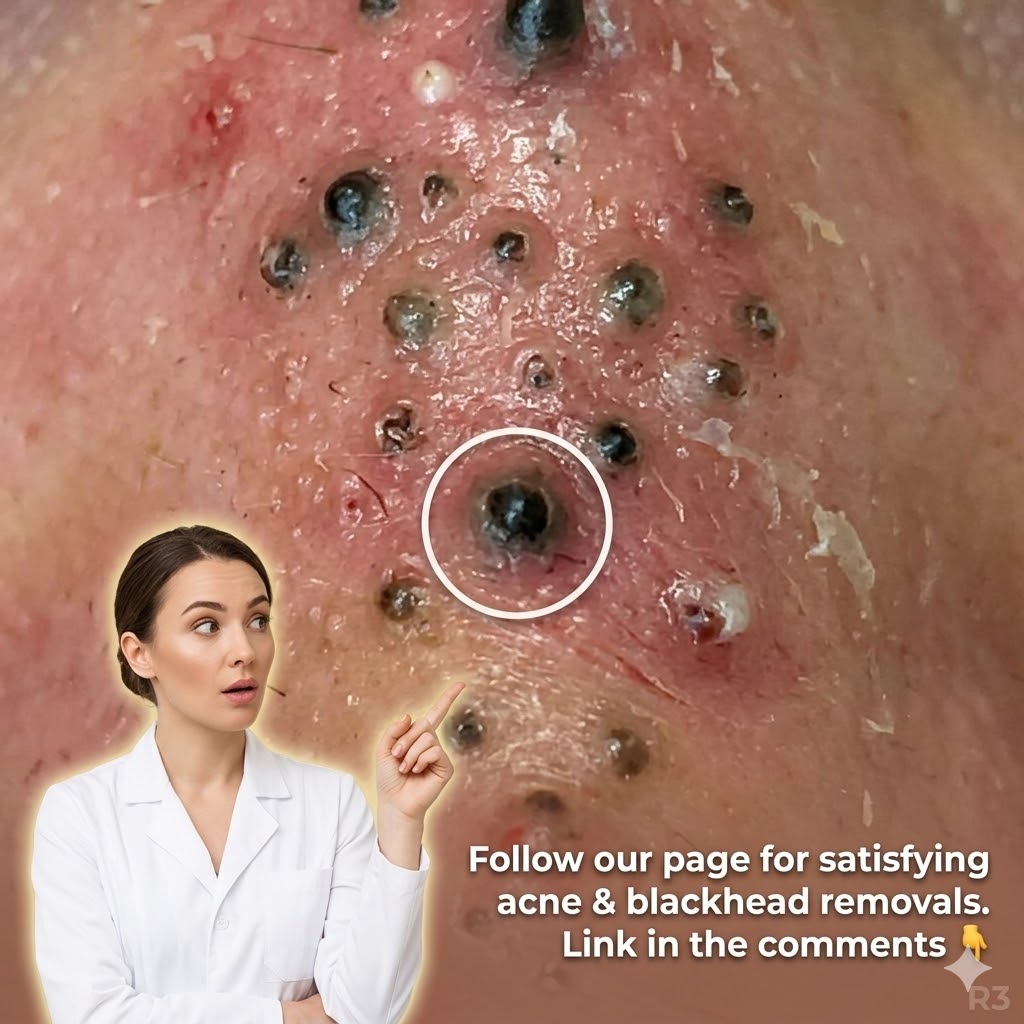
Pore congestion develops through a process known as follicular keratinization, where dead skin cells accumulate and mix with sebum inside the hair follicle. In acne-prone individuals, this process may already be dysregulated, leading to the formation of microcomedones that can progress into blackheads or whiteheads. When occlusive ingredients are applied on top of skin that has excess oil production or insufficient exfoliation, they may trap these materials within the follicle. This does not mean occlusives directly clog pores, but rather that they can create conditions where existing congestion is more likely to persist or worsen, especially in individuals with oily or acne-prone skin .
Several contributing factors influence how occlusives affect pore congestion. Sebum production, which is often driven by hormonal activity, plays a central role. Individuals with higher sebum output may experience a greater likelihood of congestion when using heavy or highly occlusive formulations. Skincare habits also matter significantly. Inadequate cleansing, over-layering of multiple products, or combining occlusives with comedogenic ingredients may increase the risk of clogged pores. Environmental factors such as humidity and pollution can further interact with occlusive layers, potentially trapping particulate matter on the skin. Genetic predisposition to acne and variations in skin barrier function can also influence how the skin responds to these ingredients.
Despite these concerns, occlusive ingredients are not universally problematic and can be beneficial when used appropriately. In individuals with compromised skin barriers, such as those experiencing irritation from retinoids or benzoyl peroxide, occlusives may help reduce dryness and support barrier repair. The key consideration is formulation and context. Lightweight, non-comedogenic products that combine occlusive agents with ingredients like niacinamide may help balance hydration without significantly increasing congestion risk. Additionally, incorporating keratolytic ingredients such as salicylic acid can help keep pores clear by promoting exfoliation within the follicle. Retinoids are also commonly recommended to normalize skin cell turnover and reduce comedone formation over time.
For those experiencing persistent clogged pores or comedonal acne, professional treatments may be considered. Dermatological options such as chemical peels, topical prescription retinoids, or extraction procedures can help address deeper congestion. However, these approaches should be guided by a qualified professional to ensure safety and suitability for the individual’s skin type and condition.
It is important to maintain realistic expectations when using or avoiding occlusive ingredients. Not all occlusives will cause breakouts, and not all breakouts are related to occlusive use. Skincare responses can vary widely depending on formulation, skin type, and overall routine. Careful product selection, consistent cleansing, and gradual introduction of active ingredients may help reduce the likelihood of pore congestion while still supporting the skin barrier. Individuals with ongoing or severe acne may benefit from consulting a dermatologist for a tailored treatment approach.