Acne-prone skin is influenced by a combination of biological processes involving the sebaceous glands, follicular keratinization, microbial activity, and inflammation. Dermatology research continues to identify ingredients that can support these complex mechanisms while maintaining skin barrier health.
One ingredient frequently recommended in modern dermatology is niacinamide, a form of vitamin B3. Niacinamide has gained attention in topical therapy due to its ability to support the skin barrier, regulate oil production, and reduce inflammatory responses associated with acne development.
Unlike some stronger dermatological medications, niacinamide is generally well tolerated and can be incorporated into daily skincare routines. It is often used alongside established acne treatments such as retinoids, benzoyl peroxide, and salicylic acid to enhance overall skin health.
This article explores the dermatological science behind niacinamide and how it supports individuals managing acne-prone skin.
Table of Contents
Biological Process of the Condition
Acne develops within the pilosebaceous unit, which consists of the hair follicle, sebaceous glands, and associated structures. The condition begins with several biological events occurring simultaneously within the follicular environment.
One of the earliest steps is follicular keratinization. In healthy skin, keratinocytes within the follicle shed gradually. In acne-prone individuals, however, these cells accumulate and combine with sebum produced by the sebaceous glands. This mixture forms a plug inside the follicle.
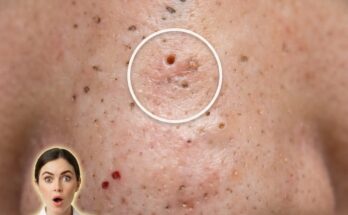
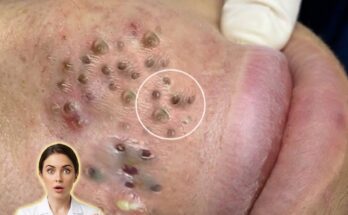
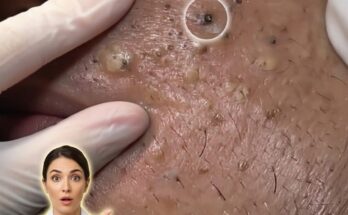
When this obstruction occurs, the pore becomes a comedone. Open comedones appear as blackheads, while closed comedones appear as whiteheads. These lesions represent the early stages of acne development.
Within the blocked follicle, the skin bacterium Cutibacterium acnes can proliferate. Although this microorganism normally resides on healthy skin, excess sebum and limited oxygen inside a blocked follicle create an environment that supports bacterial growth.
The immune system may respond to this microbial activity with inflammation. This process contributes to redness, swelling, and the formation of inflammatory acne lesions.
Niacinamide supports skin health during these processes by influencing several biological pathways. Dermatological studies suggest that niacinamide may help regulate sebum production, support barrier function, and reduce inflammatory signaling within the skin.
Causes and Contributing Factors
Acne-prone skin results from multiple contributing factors rather than a single cause. Understanding these influences helps guide dermatological treatment strategies.
Increased Sebum Production
Sebaceous glands produce sebum, an oily substance that lubricates the skin and hair. In some individuals, hormonal signals increase sebum production, which can contribute to clogged pores and comedone formation.
Hormonal Influences
Androgen hormones can stimulate sebaceous gland activity. During adolescence and adulthood, fluctuations in hormone levels may lead to increased oil production and acne development.
Follicular Cell Accumulation
Excessive retention of skin cells within the follicle contributes to the formation of comedones. This process, known as abnormal follicular keratinization, is a central factor in acne pathophysiology.
Cutibacterium acnes Activity
Although part of the normal skin microbiome, Cutibacterium acnes can trigger inflammatory responses when it multiplies within clogged follicles.
Skin Barrier Disruption
A weakened skin barrier may increase irritation and inflammation, particularly when individuals use harsh products or overuse exfoliating treatments.
Niacinamide is often included in skincare formulations because it supports several of these mechanisms simultaneously. It may help regulate oil production, strengthen the skin barrier, and reduce inflammatory responses.
Symptoms and Dermatological Diagnosis
Acne can present in a variety of forms depending on the stage and severity of the condition. Dermatologists classify acne lesions based on their appearance and level of inflammation.
Non-inflammatory lesions include open and closed comedones. These occur when pores become obstructed with sebum and keratinized skin cells but have not yet triggered a strong inflammatory response.
Inflammatory lesions develop when the immune system reacts to bacterial activity or follicular rupture. These may appear as red bumps or tender skin areas.
Dermatological diagnosis typically involves a clinical skin examination. A dermatologist evaluates lesion types, distribution patterns, and the presence of scarring or post-inflammatory hyperpigmentation.
Acne commonly appears in areas where sebaceous glands are most active, including the face, forehead, chest, shoulders, and upper back.
In many treatment plans, dermatologists recommend supportive skincare ingredients such as niacinamide to help improve skin barrier function and reduce irritation associated with acne therapies.
Dermatology Treatment Options
Effective acne management often combines topical therapy, lifestyle considerations, and professional dermatological guidance.
Topical Retinoids
Retinoids are commonly prescribed to normalize follicular keratinization and prevent the formation of new comedones.
Benzoyl Peroxide
This topical treatment helps reduce bacterial populations and supports the management of inflammatory acne.
Salicylic Acid
A beta-hydroxy acid that penetrates the pore lining and assists in dissolving accumulated keratin and sebum.
Niacinamide in Topical Therapy
Niacinamide is frequently included in serums, moisturizers, and treatment products. Dermatological research suggests that concentrations between 2% and 5% can support acne-prone skin by:
- Helping regulate sebum production
- Reducing visible redness and inflammation
- Strengthening the skin barrier
- Supporting recovery from irritation caused by other acne treatments
Because niacinamide is generally well tolerated, it is often used alongside retinoids or exfoliating ingredients to help maintain skin balance.
Educational Overview of Dermatological Procedures
For individuals with persistent or severe acne, dermatologists may recommend additional in-office procedures.
Comedone Extraction
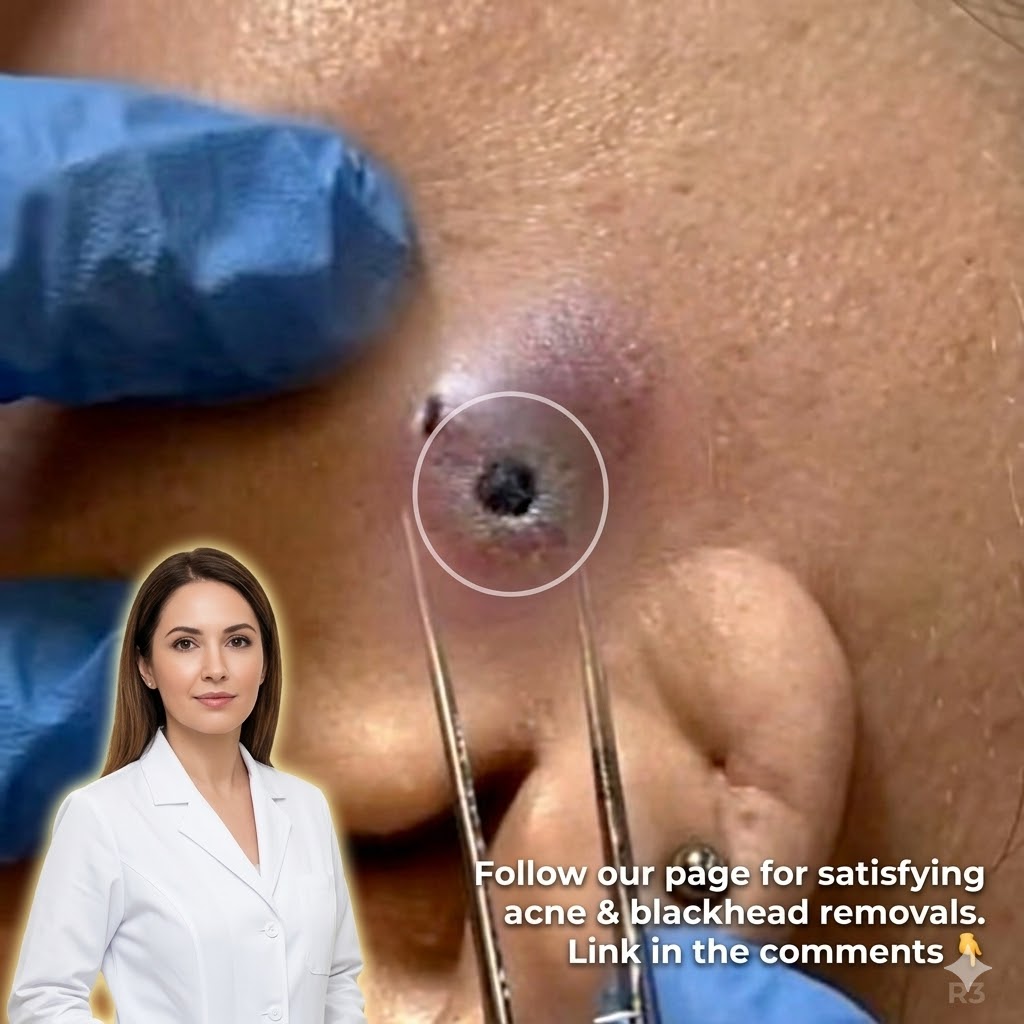
This dermatological procedure involves the careful removal of obstructed follicular material using sterile instruments. It is performed by trained professionals to minimize skin trauma.
Chemical Peels
Superficial chemical peels using agents such as salicylic acid or glycolic acid can help improve follicular turnover and reduce comedone formation.
Light and Laser Therapies
Certain dermatological devices target inflammation and bacterial activity within the skin.
Intralesional Treatments
In specific cases, dermatologists may administer targeted therapies to reduce inflammation within individual lesions.
Supportive ingredients like niacinamide are often recommended during and after these procedures to help maintain skin barrier integrity.
Featured Videos
⚠ Medical DisclaimerThis video content may include dermatological medical procedures. The material is presented strictly for educational and informational purposes. Dermatological treatments and procedures should only be performed by qualified healthcare professionals. This content is not intended to replace professional medical advice, diagnosis, or treatment.
Video 1
Video 2
Video 3
Related Articles
- How Salicylic Acid Helps Clear Clogged Pores
- The Biological Process Behind Comedonal Acne
- Why Retinoids Are Commonly Used for Comedonal Acne
- The Science Behind Benzoyl Peroxide and Acne Bacteria
- The Skin Microbiome and Its Role in Acne
Conclusion
Niacinamide has become an important ingredient in dermatology-focused skincare for individuals with acne-prone skin. Its ability to support skin barrier function, regulate sebum production, and reduce inflammatory signaling makes it a valuable complement to established acne therapies.
When used consistently as part of a balanced skincare routine, niacinamide may help improve overall skin stability while supporting the management of comedones and inflammatory lesions.
Although many over-the-counter products contain niacinamide, individuals experiencing persistent or severe acne should consult a qualified dermatologist. Professional evaluation ensures that treatment plans address the underlying biological mechanisms of acne while maintaining long-term skin health.