Video 1
Video 2
Video 3
Inflammation plays a central role in weakening the skin barrier, a protective structure that helps regulate moisture balance and defend against environmental stressors. The skin barrier, primarily located in the outermost layer known as the stratum corneum, is composed of tightly packed skin cells and lipids such as ceramides, cholesterol, and fatty acids. When inflammation occurs, it disrupts this organized structure by increasing the production of pro-inflammatory molecules, which can degrade lipids and impair the cohesion between skin cells. As a result, the barrier becomes more permeable, allowing water to escape and irritants, bacteria, and pollutants to penetrate more easily.
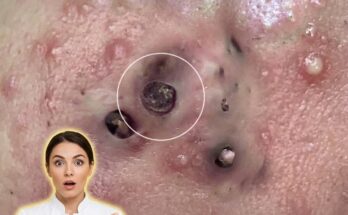
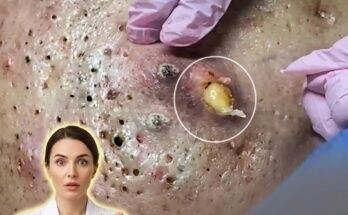
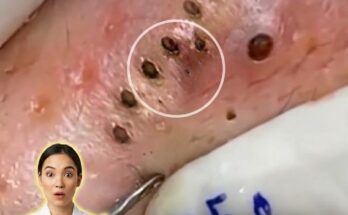
This disruption is particularly relevant in acne-prone skin, where inflammation is both a cause and a consequence of clogged pores. The process often begins with excess sebum production and abnormal shedding of skin cells within hair follicles, leading to the formation of comedones such as blackheads and whiteheads. When these clogged pores become inflamed, immune responses are activated, releasing cytokines and enzymes that can further damage surrounding skin tissue. This ongoing cycle not only contributes to visible breakouts but also weakens the barrier’s ability to recover efficiently.
Several internal and external factors can intensify inflammation and worsen barrier dysfunction. Hormonal fluctuations, especially those involving androgens, can increase oil production and make pores more prone to blockage and irritation. Environmental factors such as UV exposure, pollution, and humidity changes may also trigger inflammatory responses that compromise skin integrity. In addition, certain skincare habits, including over-cleansing, frequent exfoliation, or the use of harsh scrubs, can strip essential lipids from the skin and exacerbate micro-inflammation. Even well-intentioned acne treatments, if overused or improperly combined, may contribute to irritation and barrier weakening.
Addressing inflammation while supporting the skin barrier is a key aspect of effective acne management. Ingredients such as niacinamide are commonly used for their ability to help regulate oil production and reduce inflammatory signaling. Ceramides and other barrier-repair lipids are often recommended to restore the structural integrity of the skin, helping to reduce transepidermal water loss and improve resilience. Salicylic acid may assist in clearing clogged pores by promoting exfoliation within the follicle, while benzoyl peroxide is frequently used to reduce acne-causing bacteria, although both should be used carefully to minimize irritation. Topical retinoids are widely recommended in dermatology for normalizing cell turnover and preventing comedone formation, but they can initially increase dryness and sensitivity, making barrier support especially important during use.
In more persistent or severe cases, dermatological treatments may be considered to better control inflammation and prevent long-term skin changes such as post-inflammatory hyperpigmentation or scarring. These may include prescription-strength retinoids, oral medications, or in-office procedures tailored to the individual’s skin condition. Professional guidance is particularly important when inflammation is chronic or when over-the-counter approaches are not producing consistent results.
Managing inflammation and maintaining a healthy skin barrier requires a balanced and consistent approach rather than aggressive or frequent product changes. Improvements in barrier function typically occur gradually, and it is important to allow time for the skin to adapt to treatments. While many skincare ingredients can support both acne control and barrier repair, their effectiveness depends on appropriate use and individual skin tolerance. For those experiencing ongoing irritation or breakouts, consulting a qualified dermatologist can help ensure that treatment strategies are both effective and aligned with the skin’s long-term health.