Video 1
Video 2
Video 3
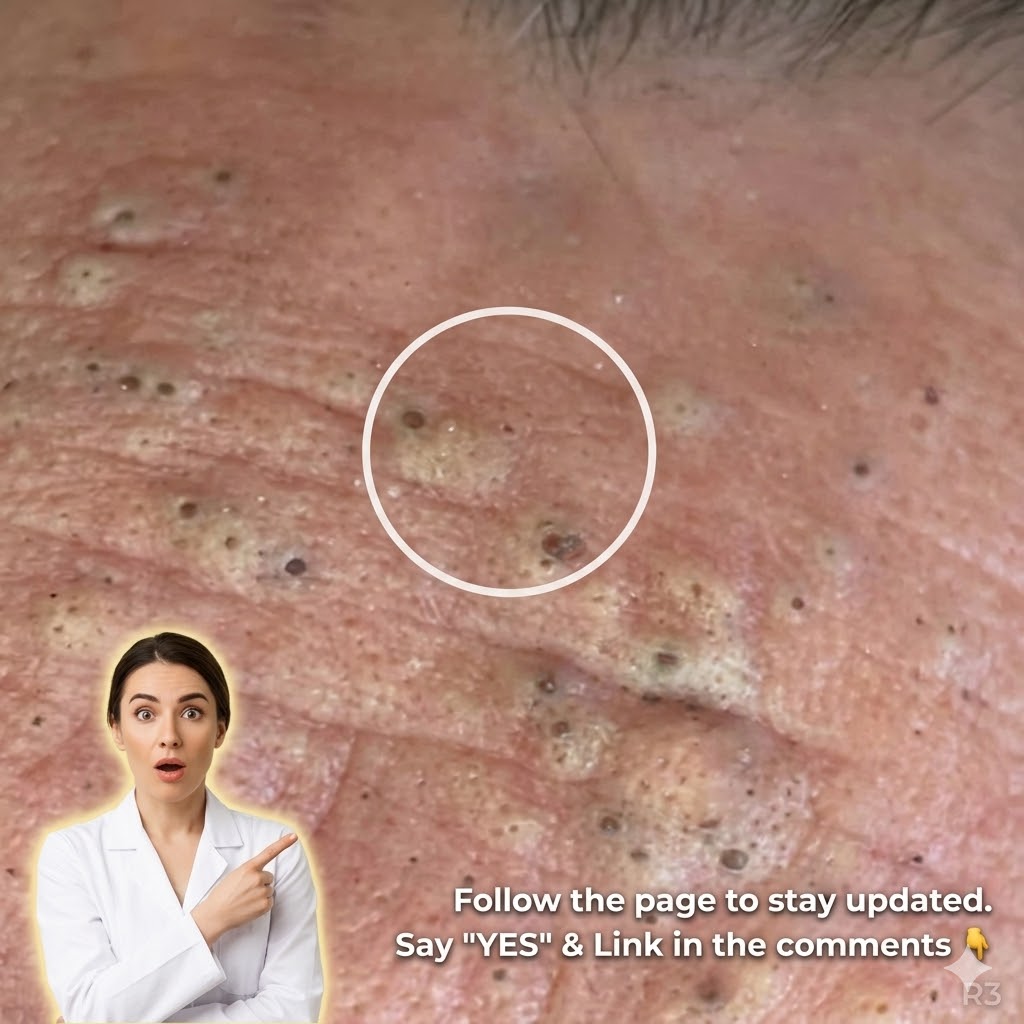
Hormones play a central role in the development of acne by influencing the activity of sebaceous glands, the microscopic structures in the skin responsible for producing sebum. Sebum is an oily substance that helps maintain skin hydration and barrier function, but when produced in excess, it can combine with dead skin cells and clog pores. This process, known as follicular keratinization, creates an environment where comedones such as blackheads and whiteheads form. Hormonal fluctuations can also promote inflammation and support the growth of acne-associated bacteria, further contributing to visible breakouts.
During adolescence, the body undergoes significant hormonal changes, particularly an increase in androgens such as testosterone. These hormones stimulate sebaceous glands to enlarge and produce more oil, which explains why oily skin and acne are especially common during the teenage years. In adults, hormonal acne is often linked to cyclical fluctuations, particularly in women. Changes associated with the menstrual cycle, pregnancy, or conditions like polycystic ovary syndrome may increase androgen activity, leading to persistent or recurring breakouts, often concentrated along the jawline, chin, and lower face.
In addition to natural hormonal shifts, external and lifestyle factors can influence how the skin responds. Stress, for example, may increase cortisol levels, which can indirectly stimulate oil production and worsen inflammation. Skincare habits also play a role; using products that are too harsh can disrupt the skin barrier, while heavy or comedogenic formulations may contribute to clogged pores. Genetics further determines how sensitive an individual’s sebaceous glands are to hormonal signals, meaning some people are more prone to acne despite similar hormone levels.
Managing hormonally influenced acne typically involves a combination of approaches aimed at reducing oil buildup, preventing clogged pores, and controlling inflammation. Over-the-counter ingredients such as salicylic acid are commonly used to exfoliate inside the pores and reduce comedones, while benzoyl peroxide may help limit acne-causing bacteria and inflammation. Retinoids are often recommended for their ability to normalize skin cell turnover and prevent pore blockages. Niacinamide may also support the skin barrier and help regulate oil production. For more persistent or severe cases, dermatologists may consider prescription treatments, including topical retinoids, oral medications, or hormonal therapies designed to address the underlying imbalance.
It is important to recognize that hormonal acne can be ongoing and may not resolve immediately with treatment. Consistency in skincare routines and patience with active ingredients are often necessary, as visible improvements may take several weeks. Because hormone levels and skin responses vary widely, treatment plans should be individualized. Consulting a qualified healthcare professional can help ensure that underlying causes are properly evaluated and that treatment options are both safe and appropriate for long-term skin health.