Video 1
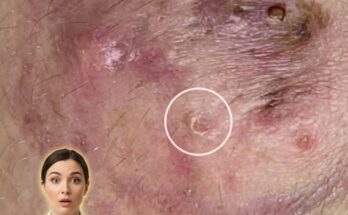
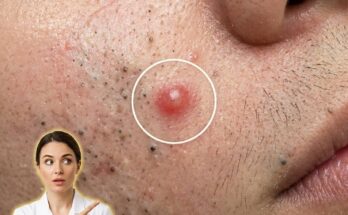
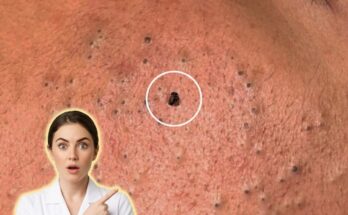
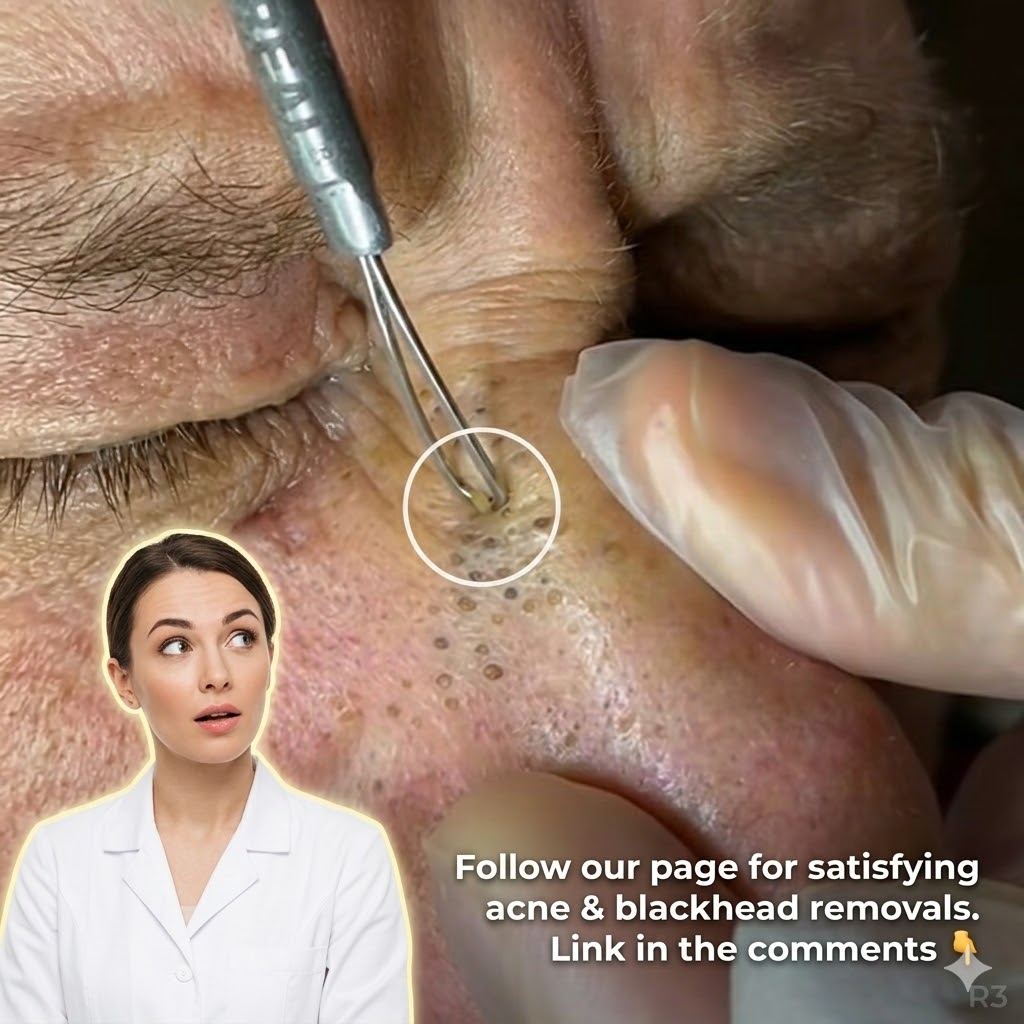
Diet may influence oil production in the skin through its interaction with hormonal signaling, metabolic pathways, and inflammatory processes. Sebum is produced by sebaceous glands under the regulation of androgens, particularly dihydrotestosterone (DHT). Certain dietary patterns can affect insulin levels and insulin-like growth factor 1 (IGF-1), both of which may stimulate androgen activity and increase sebaceous gland output. As sebum production rises, the likelihood of pores becoming clogged with oil and dead skin cells also increases, creating an environment where comedones such as blackheads and whiteheads can form and, in some cases, progress to inflammatory acne.
Foods with a high glycemic index, including refined carbohydrates and sugary beverages, are often associated with sharper increases in insulin levels. Elevated insulin may promote IGF-1 activity, which can enhance keratinocyte proliferation and sebum production. This combination may contribute to follicular keratinization, where dead skin cells accumulate within the pore rather than shedding normally. Over time, this process can lead to congestion within pores and the development of acne lesions. In contrast, lower glycemic dietary patterns are sometimes associated with more stable hormonal signaling and may help reduce some of these contributing factors.
Dairy intake has also been explored in relation to acne and oil production. Milk contains bioactive molecules and may influence IGF-1 levels, potentially affecting sebaceous gland activity. While the relationship is not fully consistent across all individuals, some people may notice changes in oiliness or breakouts when consuming higher amounts of dairy. Genetic predisposition, baseline hormone levels, and overall lifestyle factors can influence how strongly diet affects the skin, which helps explain why responses vary widely.
Dietary fat composition may also play a role in skin behavior. Diets rich in omega-3 fatty acids, commonly found in fish and certain plant sources, are associated with anti-inflammatory effects and may help moderate inflammatory pathways involved in acne. On the other hand, diets higher in certain processed fats may contribute to systemic inflammation, which can influence how the skin responds to clogged pores and bacteria. Although dietary fat does not directly translate into sebum production in a simple way, it may indirectly affect the skin environment through inflammation and hormonal signaling.
Despite these associations, diet is only one part of a multifactorial process. Skincare habits, genetics, hormonal fluctuations, and environmental factors all contribute to oil production and acne development. Evidence-based topical treatments remain a central approach to managing oily and acne-prone skin. Ingredients such as salicylic acid are commonly used to penetrate oil within pores and help clear blockages, while retinoids may support normal cell turnover and reduce comedone formation. Benzoyl peroxide is often recommended for its antibacterial properties, and niacinamide may help regulate sebum production and support the skin barrier.
For individuals with persistent or severe acne, professional evaluation may be appropriate. Dermatology treatments can include prescription-strength retinoids, hormonal therapies, or other targeted interventions designed to address underlying causes of excess oil production and inflammation. These approaches are often tailored to the individual’s skin type, acne severity, and overall health profile.
It is important to maintain realistic expectations when considering dietary changes for acne management. Adjustments in diet may help improve skin balance over time for some individuals, but they are unlikely to act as a standalone solution. Gradual changes, consistency in skincare routines, and attention to overall health tend to produce more reliable outcomes. Consulting a qualified healthcare professional can help determine whether dietary factors are playing a significant role and guide a balanced, evidence-based approach to treatment.