Video 1
Video 2
Video 3
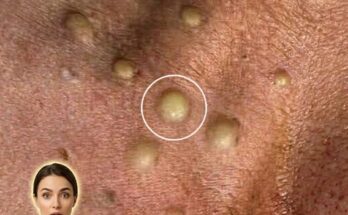
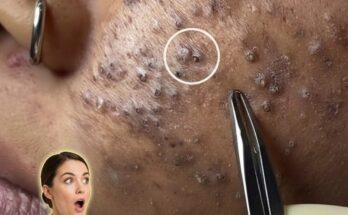
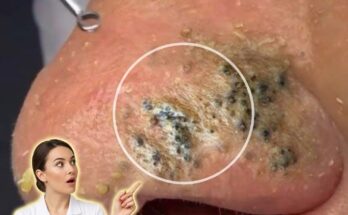
Dead skin cells play a central role in the development of acne by disrupting the natural process of skin renewal and contributing to clogged pores. The outermost layer of the skin, known as the stratum corneum, is constantly shedding dead cells in a process called desquamation. Under normal conditions, these cells are shed evenly and invisibly. However, when this process becomes irregular, dead skin cells can accumulate and mix with excess sebum produced by sebaceous glands. This combination forms a sticky plug within the hair follicle, creating the foundation for comedones such as blackheads and whiteheads.
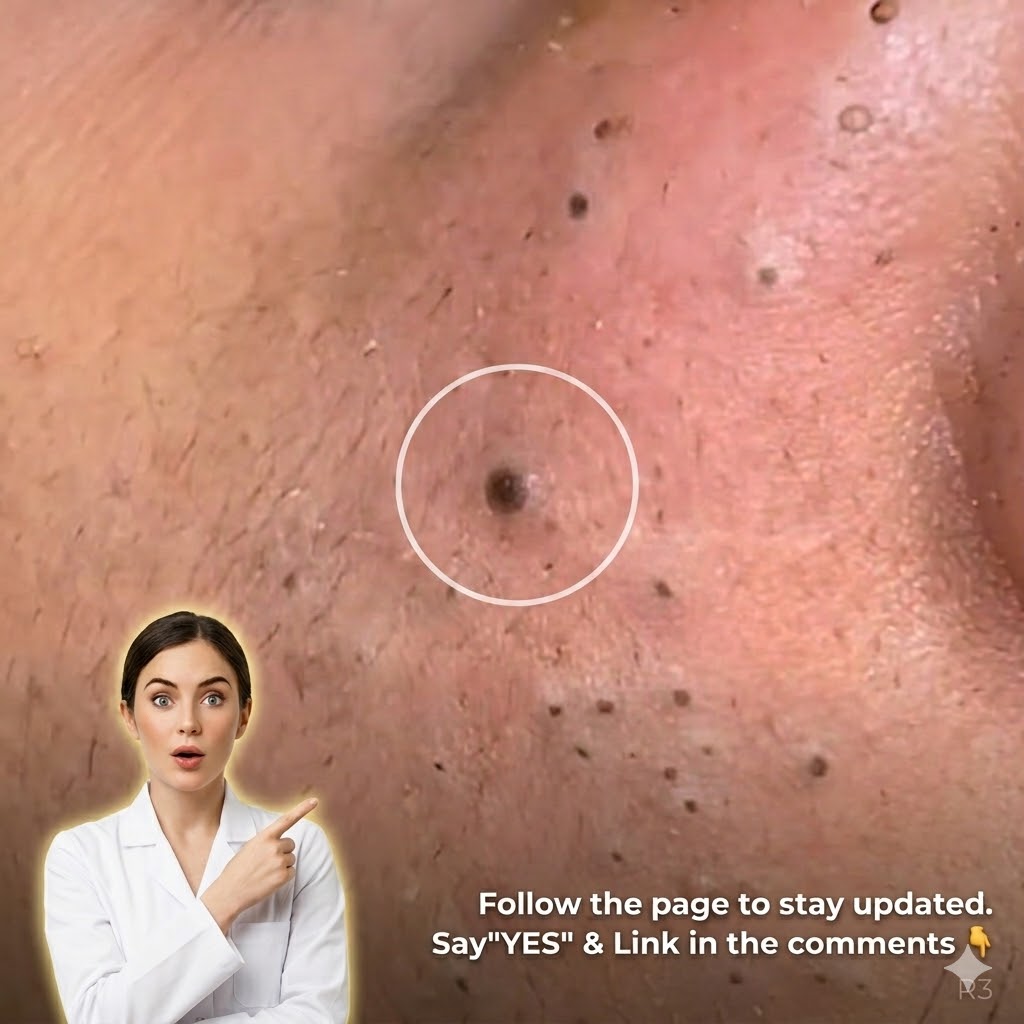
This buildup is closely linked to a process known as follicular keratinization, where skin cells inside the pore do not shed properly and instead clump together. When these retained cells combine with oil, they block the follicular opening, preventing normal drainage. In an oxygen-rich environment, this blockage can oxidize and darken, forming a blackhead. If the pore remains closed, it can develop into a whitehead. Over time, these clogged pores may also create an environment where acne-causing bacteria can thrive, potentially leading to inflammation and more severe forms of acne.
Several factors can contribute to the accumulation of dead skin cells and worsen this process. Hormonal fluctuations, particularly increases in androgens, can stimulate excess oil production, making it easier for dead cells to stick together inside pores. Oily skin types are especially prone to this issue, as the higher sebum levels create a more adhesive environment for debris. Inadequate cleansing, the use of heavy or comedogenic skincare products, and environmental factors such as pollution can further interfere with proper cell turnover. Additionally, aging and certain skin conditions may slow down natural exfoliation, increasing the likelihood of clogged pores.
Managing the buildup of dead skin cells often involves supporting the skin’s natural exfoliation process while maintaining a healthy skin barrier. Chemical exfoliants such as salicylic acid are commonly used because they are oil-soluble and can penetrate into the pore to help dissolve the mixture of sebum and dead cells. Alpha hydroxy acids may also help by loosening the bonds between surface cells, promoting more even shedding. Retinoids are frequently recommended in acne-prone skincare routines because they help normalize cell turnover and reduce the formation of clogged pores over time. In some cases, benzoyl peroxide may be included to address bacterial growth and reduce inflammation associated with acne lesions. Gentle cleansing and the use of non-comedogenic moisturizers can further support skin balance without contributing to buildup.
Professional treatments may also be considered for persistent concerns. Dermatological procedures such as chemical peels or extraction techniques can help remove accumulated debris and improve pore clarity. A dermatologist may tailor treatments based on skin type, acne severity, and individual tolerance to active ingredients. It is important to approach exfoliation carefully, as overuse of strong products can disrupt the skin barrier, leading to irritation and potentially worsening acne.
While addressing dead skin cell buildup can significantly improve the appearance of clogged pores and reduce breakouts, results are typically gradual rather than immediate. Consistency in skincare routines and the careful selection of ingredients are key factors in long-term management. Individuals experiencing persistent or severe acne may benefit from consulting a qualified healthcare professional to ensure an appropriate and safe treatment approach tailored to their specific skin needs.