Video 1
Video 2
Video 3
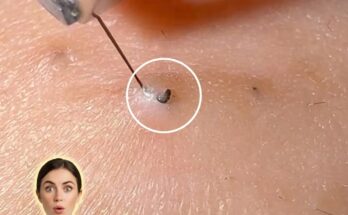
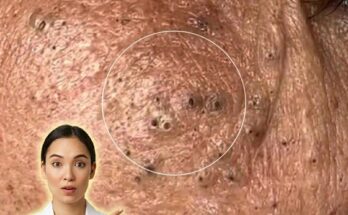
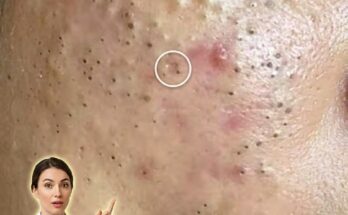
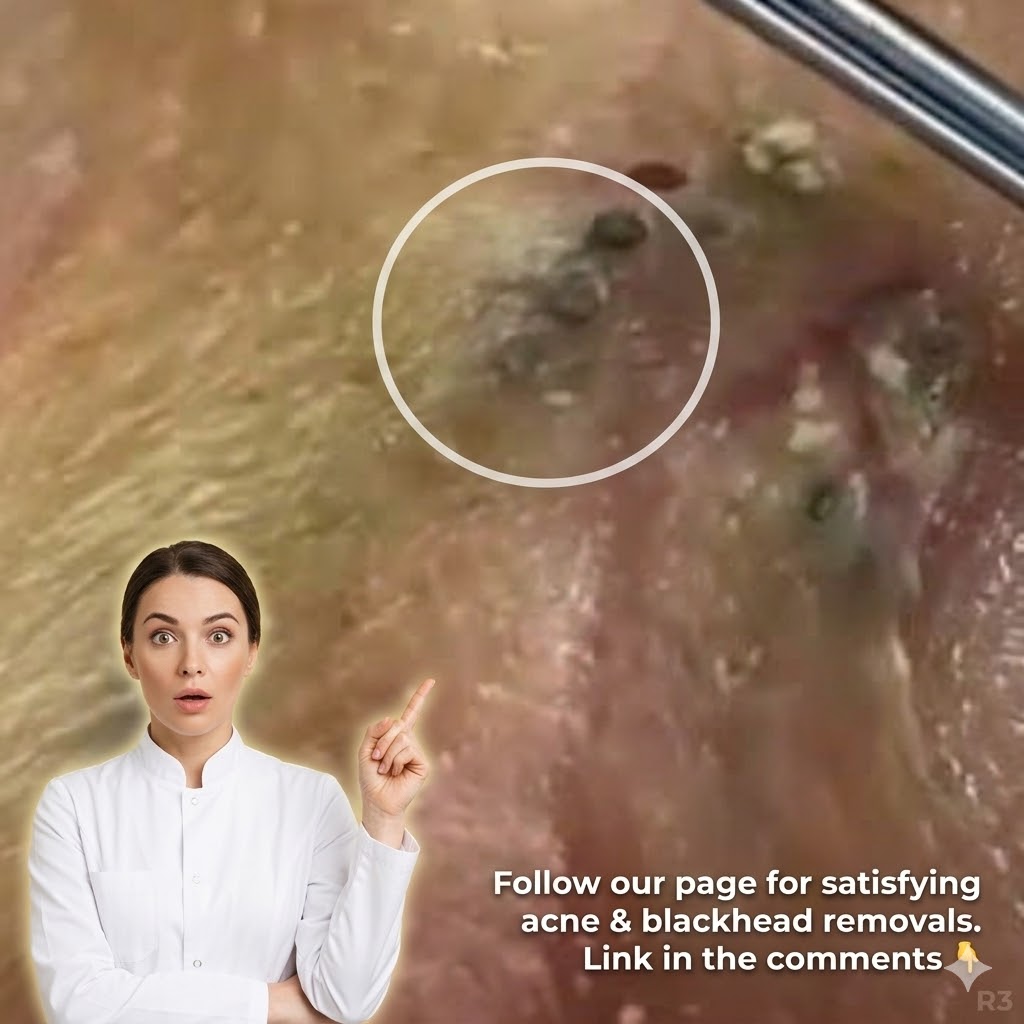
Skin congestion refers to the accumulation of sebum, dead skin cells, and debris within hair follicles, leading to clogged pores that may develop into blackheads, whiteheads, or inflammatory acne. This process is closely linked to follicular keratinization, where skin cells do not shed normally and instead combine with excess oil to form a plug within the pore. Cosmetic formulations can significantly influence this process by either supporting healthy skin turnover and barrier function or contributing to buildup that increases the likelihood of comedone formation.
The composition of a skincare or cosmetic product plays a central role in how it interacts with acne-prone skin. Ingredients that are highly occlusive or heavy in texture may create a film over the skin that can trap sebum and keratinocytes inside the follicle, particularly in individuals with naturally oily skin. While occlusive agents are often beneficial for preventing transepidermal water loss and supporting barrier repair, their suitability depends on formulation balance and skin type. In contrast, lightweight and non-comedogenic formulations are generally designed to minimize the risk of pore blockage while still maintaining hydration.
Emollients, silicones, oils, and waxes are commonly used in cosmetic products to improve texture and skin feel, but their effects vary depending on molecular structure and concentration. Some oils, such as certain plant-derived lipids, may be well tolerated or even beneficial, while others can contribute to congestion in susceptible individuals. Silicones, often misunderstood, typically form a breathable barrier and are not inherently pore-clogging, though their interaction with other ingredients and improper cleansing practices may influence buildup over time. This highlights that congestion is rarely caused by a single ingredient, but rather by the overall formulation and how it is used on the skin.
Cleansing efficiency is another important factor in how cosmetic formulations affect pores. Products that are difficult to remove or that leave behind residue may allow layers of product, sebum, and environmental pollutants to accumulate. This can increase the likelihood of microcomedone formation, which is the earliest stage of acne development. Double cleansing or the use of appropriate cleansers may help reduce this risk, particularly for individuals who use long-wear makeup or water-resistant sunscreens.
Certain formulations may also influence skin cell turnover and inflammation, both of which are relevant to acne development. Products containing comedogenic or irritating components may disrupt the skin barrier, leading to increased sensitivity and compensatory oil production. In contrast, formulations that include ingredients such as salicylic acid can help exfoliate within the pore, while retinoids are widely used to normalize keratinization and reduce comedone formation. Niacinamide may support barrier function and regulate oil production, making it a common addition in products designed for acne-prone skin. Benzoyl peroxide is often included in treatment formulations to target acne-causing bacteria and reduce inflammation, though its use depends on individual tolerance.
Environmental and behavioral factors further interact with cosmetic use. High humidity, pollution exposure, and frequent layering of products may increase the likelihood of congestion, especially when combined with inadequate cleansing or overuse of heavy formulations. Additionally, frequent product switching or combining multiple active ingredients without proper guidance can disrupt skin balance and contribute to irritation or breakouts.
Understanding how cosmetic formulations influence skin congestion involves recognizing that both ingredient selection and formulation design matter. Products that are labeled as non-comedogenic may still behave differently depending on individual skin biology, application habits, and environmental context. For this reason, managing congested skin often requires a combination of appropriate product selection, consistent cleansing practices, and the use of evidence-based treatments when needed.
While many over-the-counter products may help improve clogged pores and mild acne, results are typically gradual and vary between individuals. Persistent or severe congestion may benefit from evaluation by a qualified dermatologist, who can recommend targeted therapies and ensure that skincare routines are aligned with the skin’s specific needs.