Video 1
Video 2
Video 3
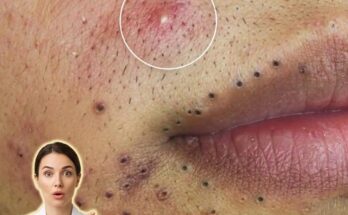
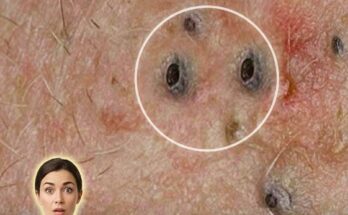
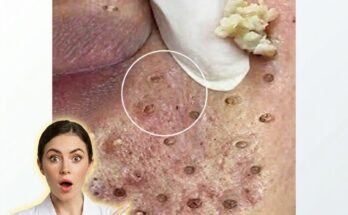
Skin cell turnover is a continuous biological process in which new skin cells are generated in the deeper layers of the epidermis and gradually move toward the surface before eventually shedding. In healthy skin, this cycle typically takes several weeks and helps maintain a balanced skin barrier and smooth surface texture. However, in acne-prone or oily skin, the process of shedding dead cells can become irregular. When corneocytes accumulate instead of detaching properly, they may combine with excess sebum inside hair follicles, contributing to clogged pores and the formation of blackheads or whiteheads. Chemical exfoliants are commonly used in skincare because they may help regulate this turnover process and support more consistent removal of dead skin cells from the surface.
The outermost layer of the skin, known as the stratum corneum, is composed of flattened skin cells held together by protein structures and lipid connections. These cells naturally loosen and detach over time, but environmental factors, hormonal changes, and skin conditions such as acne can disrupt this shedding process. Chemical exfoliants function by interacting with the bonds that hold these cells together. By gently weakening these connections, they may allow older skin cells to separate more easily from the skin surface, encouraging a smoother and more uniform layer of cells.
Several categories of chemical exfoliants are widely used in dermatology and skincare formulations. Alpha hydroxy acids, including glycolic acid and lactic acid, primarily work on the surface of the skin and are often associated with improving overall texture and brightness. These ingredients may help accelerate the natural shedding process within the upper epidermis, which can reduce the accumulation of dead cells that contribute to dullness and uneven skin tone. Because they influence the outer layers of the skin, alpha hydroxy acids are commonly used to support gradual renewal of the skin surface.
Beta hydroxy acids function somewhat differently due to their oil-soluble properties. Salicylic acid, the most well-known example in this category, can penetrate into oil-filled pores. This ability allows it to interact with the mixture of sebum and keratin that forms within follicles. By loosening the buildup of dead skin cells inside pores, salicylic acid may help reduce the formation of comedones and support clearer pores. This mechanism explains why beta hydroxy acids are frequently recommended for individuals experiencing blackheads, whiteheads, or oily skin.
The influence of chemical exfoliants on skin cell turnover also relates to the regulation of follicular keratinization. In acne-prone skin, keratinocytes inside the follicle may accumulate more rapidly and adhere together more strongly than usual. This process contributes to the formation of microcomedones, which are the earliest microscopic stage of acne lesions. Chemical exfoliants may help normalize this buildup by encouraging more consistent shedding of keratinocytes, thereby reducing the likelihood that pores will become obstructed.
Beyond pore congestion, the gradual renewal of skin cells can also influence the appearance of skin texture and discoloration. As older surface cells are removed, newer cells emerge that may appear smoother and more even in tone. This process is particularly relevant in individuals who develop post-inflammatory hyperpigmentation following acne lesions. Although chemical exfoliants do not directly change pigment production in the same way as certain targeted treatments, improved turnover may allow discolored cells to shed over time as fresh cells replace them.
Despite their benefits, chemical exfoliants must be used with consideration for the skin barrier. The outer barrier helps regulate moisture retention and protects against environmental irritants. Overuse of exfoliating acids can weaken this barrier, leading to dryness, irritation, or increased sensitivity. Dermatology guidelines often recommend introducing exfoliating ingredients gradually and pairing them with supportive skincare practices such as moisturization and sun protection. Maintaining barrier integrity helps ensure that the exfoliation process remains balanced rather than disruptive.
Chemical exfoliants are frequently incorporated into broader acne management routines. They may be used alongside ingredients that address other aspects of acne biology, such as benzoyl peroxide for bacterial control, retinoids for regulating follicular turnover, or niacinamide for supporting barrier function and calming inflammation. By targeting different steps in acne development, these ingredients can work together to improve overall skin balance.
Environmental factors and lifestyle habits can also influence how effectively chemical exfoliants support skin renewal. Excessive cleansing, harsh scrubbing, or frequent use of multiple active ingredients may increase irritation and counteract the intended benefits of exfoliation. Conversely, consistent gentle cleansing, balanced moisturization, and appropriate sun protection help maintain the conditions needed for healthy cell turnover.
In summary, chemical exfoliants influence skin cell turnover by assisting the natural shedding of dead skin cells and reducing the buildup that can contribute to clogged pores. Through their ability to loosen the connections between surface cells and, in some cases, penetrate into oil-filled follicles, these ingredients may support clearer pores and smoother skin texture. When used thoughtfully as part of a balanced skincare routine, chemical exfoliants can contribute to improved skin renewal while supporting broader strategies aimed at managing acne and maintaining overall skin health.