Video 1
Video 2
Video 3
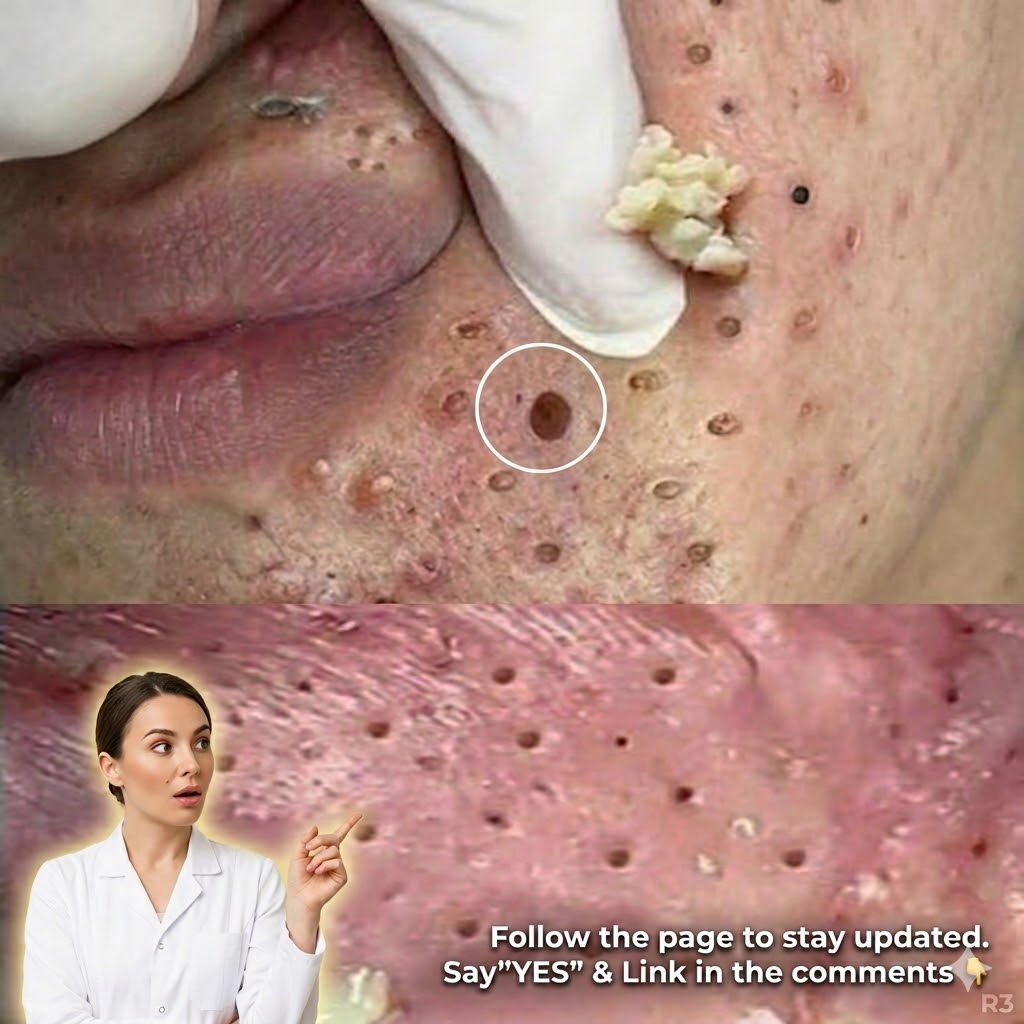
Blackheads form through a specific biological process within the hair follicle, which contains both a hair shaft and a sebaceous gland responsible for producing sebum. Under normal conditions, sebum travels up the follicle and spreads across the skin surface to maintain hydration and barrier function. However, when excess sebum production combines with an accumulation of dead skin cells, the follicular opening can become partially blocked. This process, known as follicular keratinization, leads to the formation of a comedone. In the case of blackheads, or open comedones, the pore remains open at the surface, allowing the trapped material to be exposed to air. The dark appearance is not due to dirt but rather the oxidation of melanin and lipids within the clogged pore.
Several contributing factors influence the development of blackheads. Increased sebum production is often linked to hormonal fluctuations, particularly androgens, which stimulate sebaceous gland activity. This is why blackheads are more common during adolescence, but they may persist into adulthood. Skincare habits also play a role, as the use of occlusive or comedogenic products can contribute to pore blockage. Environmental factors such as humidity and pollution may further exacerbate the buildup within pores. Additionally, individuals with naturally oily skin or larger pores may be more prone to visible blackheads due to higher sebum output and greater follicular openings.
Effective management of blackheads focuses on reducing excess oil, normalizing skin cell turnover, and keeping pores clear. Ingredients such as salicylic acid, a beta hydroxy acid, are commonly used because they are oil-soluble and can penetrate into the pore to help dissolve debris and reduce congestion. Topical retinoids are often recommended as they regulate keratinization and promote more consistent shedding of dead skin cells, which may help prevent new comedones from forming. Niacinamide may support oil regulation and improve overall skin barrier function, while gentle cleansing routines can help remove surface buildup without causing irritation. In some cases, benzoyl peroxide may be included if inflammatory acne is also present, although it is not primarily targeted at blackheads.
Professional treatments can provide additional support when over-the-counter approaches are insufficient. Dermatological procedures such as comedone extraction, chemical peels, or prescription-strength retinoids may help improve persistent clogged pores. However, these treatments should be performed or guided by qualified professionals to minimize the risk of irritation or skin damage.
It is important to recognize that blackhead formation is an ongoing process influenced by internal and external factors, and consistent skincare is typically required to manage it effectively. Results may take time, as skin turnover cycles occur over several weeks. Overly aggressive treatments or excessive exfoliation can disrupt the skin barrier and potentially worsen oil production and sensitivity. A balanced, evidence-based approach that supports both pore clarity and skin health is generally the most sustainable strategy for long-term improvemen