Video 1
Video 2
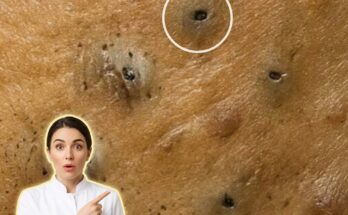
Skin thickness plays a significant role in how visible pores appear, even though it does not directly determine pore size. The skin is composed of multiple layers, primarily the epidermis and dermis, which together influence how light reflects off the surface and how structural support is maintained around hair follicles. Pores are openings of pilosebaceous units, and their appearance is shaped by the surrounding tissue. When the skin is thicker and more structurally dense, it can better support these openings, making them appear smaller and less noticeable. In contrast, thinner skin may lack sufficient structural support, allowing pores to appear more prominent due to reduced firmness and increased translucency.
Several biological and environmental factors contribute to variations in skin thickness. Genetics plays a foundational role, determining baseline collagen density and dermal structure. Age is another major factor, as collagen and elastin levels decline over time, leading to gradual thinning of the skin and increased pore visibility. Hormonal influences, particularly androgens, can increase sebum production, which may stretch pore openings and make them appear larger, especially in individuals with oily skin. Environmental exposure, including ultraviolet radiation and pollution, can accelerate collagen breakdown and weaken the skin barrier, further contributing to thinner skin and more noticeable pores.
Skincare habits also interact with skin thickness and pore appearance. Overuse of harsh exfoliants or aggressive treatments may compromise the skin barrier, leading to irritation and thinning over time. On the other hand, appropriate use of ingredients that support skin renewal and barrier function may help improve the appearance of pores. Retinoids are commonly used to promote collagen production and normalize follicular keratinization, which can reduce the buildup of dead skin cells inside pores. Salicylic acid, a beta hydroxy acid, penetrates into the pore lining and helps dissolve excess sebum and debris, making pores appear less congested. Niacinamide may support barrier function and regulate oil production, which can indirectly minimize the visual prominence of pores. In some cases, dermatological procedures such as laser therapy or microneedling are used to stimulate collagen remodeling and improve overall skin thickness and texture.
It is important to recognize that pore size is largely genetically determined, and complete elimination of visible pores is not realistic. However, improving skin thickness and maintaining a healthy skin barrier may reduce their appearance over time. Consistent use of sunscreen is essential to protect collagen and prevent further thinning caused by UV exposure. Individuals experiencing persistent concerns about enlarged pores or acne-related issues may benefit from consulting a qualified dermatologist, who can provide tailored treatment options based on skin type and condition severity.