Video 1
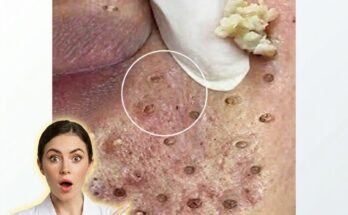
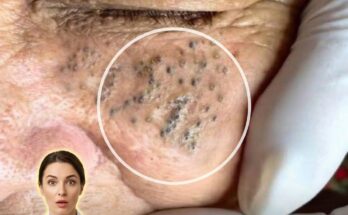
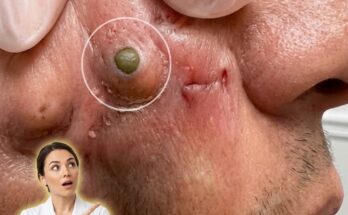
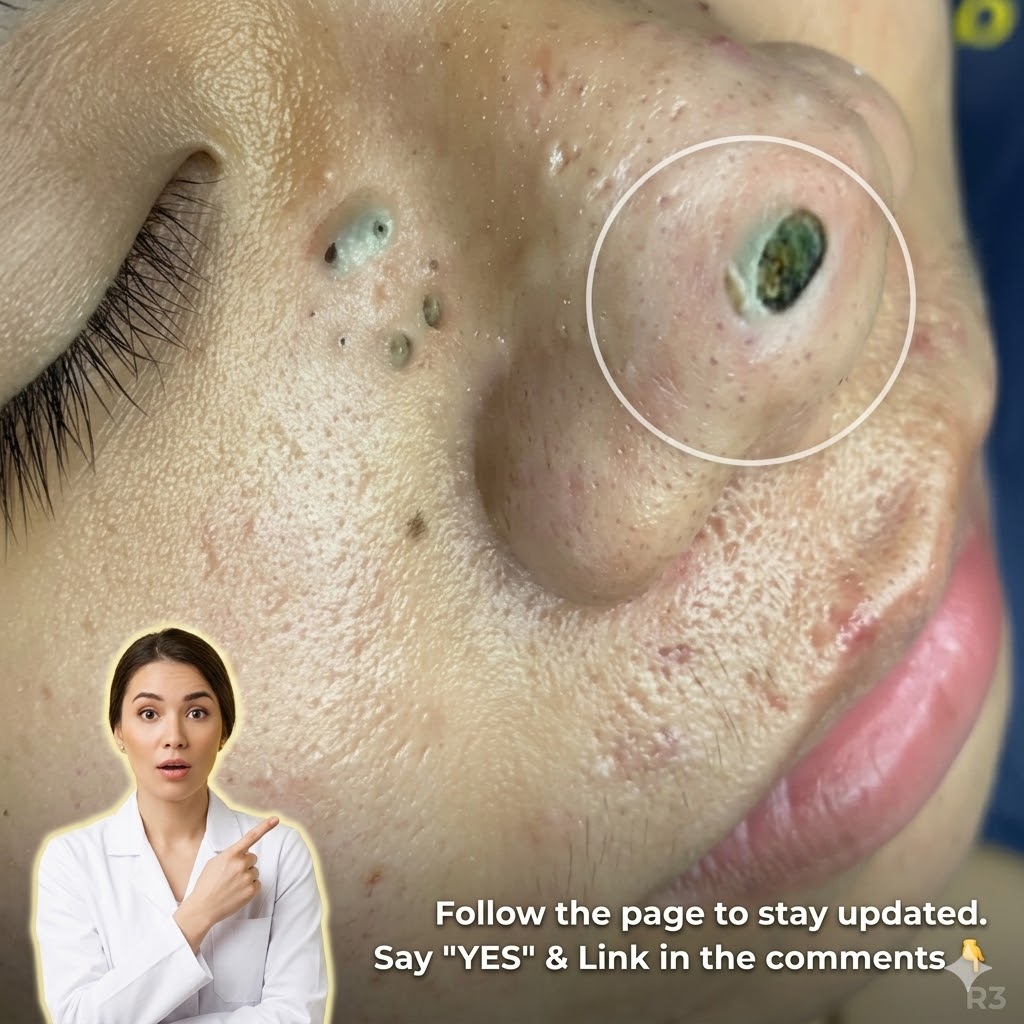
Blackheads and whiteheads are both forms of comedonal acne that develop when hair follicles become clogged with a mixture of sebum, dead skin cells, and sometimes environmental debris. This process begins with abnormal follicular keratinization, where skin cells do not shed properly and instead accumulate within the pore. As sebum continues to be produced by sebaceous glands, it becomes trapped, forming a plug known as a comedone. The key difference between blackheads and whiteheads lies in whether the pore remains open or becomes closed at the surface.
Blackheads, also called open comedones, occur when the clogged pore remains exposed to air. The dark appearance is not due to dirt but rather the oxidation of melanin and lipids within the trapped material when it comes into contact with oxygen. In contrast, whiteheads, or closed comedones, form when the pore opening is covered by a thin layer of skin. This prevents oxidation, leaving the contents appearing white or flesh-colored beneath the surface. Because whiteheads are enclosed, they may be more prone to progressing into inflamed acne lesions if bacteria proliferate within the blocked follicle.
Several contributing factors influence the formation of both blackheads and whiteheads. Increased sebum production, often driven by hormonal fluctuations, can make pores more susceptible to clogging. Skincare habits also play a significant role, particularly the use of comedogenic products that can occlude pores or overly aggressive routines that disrupt the skin barrier. Environmental factors such as humidity and pollution may further contribute by increasing oil production or introducing particulate matter that mixes with sebum. Genetic predisposition can also affect pore size, oil activity, and how efficiently skin sheds dead cells.
Management strategies for blackheads and whiteheads focus on normalizing skin cell turnover and reducing pore blockage. Topical retinoids are commonly recommended because they help regulate keratinization and promote the shedding of dead skin cells, which may reduce the formation of new comedones. Salicylic acid, a beta hydroxy acid, is oil-soluble and can penetrate into pores to dissolve accumulated debris, making it particularly useful for blackheads. Benzoyl peroxide may be used when there is a risk of bacterial involvement, although it is more often associated with inflammatory acne. Ingredients such as niacinamide can support the skin barrier and help regulate oil production, which may indirectly reduce clog formation.
Professional treatments may also be considered in persistent cases. Dermatological procedures such as comedone extraction, chemical peels, or laser therapies are sometimes used to improve skin texture and reduce clogged pores. These approaches should be performed under professional supervision to minimize the risk of irritation or scarring.
It is important to recognize that both blackheads and whiteheads are common and manageable, but they typically require consistent care rather than quick fixes. Overly aggressive treatments can disrupt the skin barrier and worsen acne over time. A balanced skincare routine that supports skin health while gradually targeting clogged pores is often more effective. Individuals experiencing persistent or severe acne may benefit from consulting a qualified dermatologist for personalized guidance and treatment options.