The world of plants is a vibrant tapestry of life, intricately woven into the fabric of our daily existence.
From the towering trees that grace our forests to the delicate flowers that bloom in our gardens, plants play a crucial role in sustaining life on Earth.
Their fascinating journey, filled with resilience and adaptability, invites us to look closer at the incredible ways they enrich our lives.
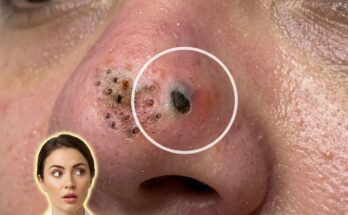
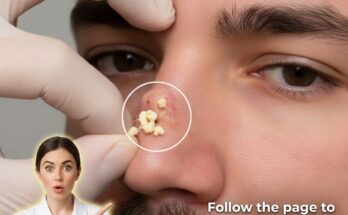
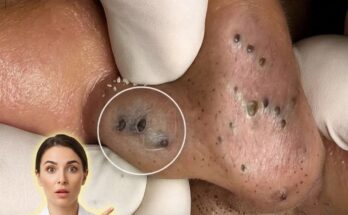
The concept of comedogenic ingredients originates from the biology of how pores become clogged and develop into comedones such as blackheads and whiteheads. Acne begins with the formation of a microcomedone, which occurs when excess sebum produced by sebaceous glands mixes with dead skin cells inside the hair follicle. When this mixture accumulates and cannot exit the pore normally, a blockage forms. Over time, the trapped material may oxidize and appear as a blackhead, remain closed as a whitehead, or contribute to inflammatory acne if bacterial activity and immune responses become involved. Because certain topical substances were historically believed to increase the likelihood of pore blockage, the term “comedogenic ingredient” became widely used in skincare discussions. Early research on comedogenicity often relied on animal models or laboratory conditions that differed significantly from real-world skincare use. In several well-known experiments from the 1970s and 1980s, ingredients were applied in highly concentrated forms to rabbit ears to observe whether they caused follicular blockage. While these studies helped identify substances that could potentially clog pores under extreme conditions, the testing method did not always reflect how ingredients behave in finished cosmetic formulations on human skin. As a result, some ingredients labeled as comedogenic in early research continue to carry that reputation today, even though modern formulations may use them in concentrations or combinations that reduce their pore-clogging potential.
Human skin physiology also varies widely, which complicates the idea that an ingredient will consistently clog pores for everyone. Factors such as individual sebum production, follicular structure, skin cell turnover rate, and the presence of acne-causing bacteria can all influence whether a pore becomes congested. For example, people with oily skin and slower desquamation may be more susceptible to pore blockage when using heavy occlusive products, while individuals with balanced skin may tolerate the same ingredients without developing comedones. Genetics, hormonal activity, and environmental factors such as humidity can further affect how the skin responds to topical products.
Another important consideration is that comedogenicity is often determined by the overall formulation rather than by a single ingredient in isolation. Cosmetic chemists frequently combine oils, emulsifiers, humectants, and stabilizers in ways that influence texture, absorption, and how the product interacts with the skin barrier. An ingredient sometimes labeled as comedogenic may behave very differently depending on its concentration, the presence of other ingredients, and the way the product spreads across the skin. For example, certain plant oils historically considered comedogenic may be included in lightweight emulsions that absorb quickly and do not significantly increase pore congestion for many users.
In modern dermatology and cosmetic science, the term “non-comedogenic” is often used in marketing to indicate that a product has been formulated with ingredients less likely to clog pores. However, the designation does not follow a universally regulated testing standard. Products labeled as non-comedogenic may still cause breakouts for some individuals, especially those with highly acne-prone skin or sensitivity to specific ingredients. Conversely, products without this label may still be well tolerated if their formulation is balanced and compatible with the user’s skin type.
Evidence-based acne management usually focuses less on avoiding specific ingredient lists and more on maintaining healthy pore function and skin turnover. Ingredients such as salicylic acid are commonly used because they penetrate into the pore and help dissolve accumulated sebum and keratin. Topical retinoids are often recommended in dermatology because they normalize follicular keratinization and help prevent the formation of microcomedones. Benzoyl peroxide may reduce the proliferation of acne-associated bacteria and inflammation, while niacinamide may help support the skin barrier and regulate oil production. These approaches address the biological processes involved in acne rather than focusing exclusively on whether a product contains potentially comedogenic ingredients.
Realistic expectations are important when evaluating skincare products. Breakouts can occur due to hormonal fluctuations, stress, environmental exposure, or underlying acne conditions, even when using products labeled as non-comedogenic. For individuals with persistent clogged pores or frequent acne flare-ups, dermatologists may recommend adjusting skincare routines, introducing targeted active ingredients, or exploring prescription treatments. Because skin responses vary, selecting products based on overall formulation, skin type compatibility, and consistent acne management strategies is often more helpful than relying solely on simplified comedogenic ingredient lists.